- Technological Gaps Between Analog Comparators and Microcontroller Logic
- Vulnerabilities of Unfiltered Antenna Coils to Ambient Electromagnetic Noise
- Waveform Fingerprinting and Digital Signal Processing Defense Models
- Cost of Ownership and Revenue Impact of Chronic False Alarms
- Step-by-Step Retrofit Guide Replacing Legacy Boards with AI Hardware
- Related Defense Systems and Anti-Cheat Resources
For decades, generic alarm boards featuring analog induction loops were the default security accessory in commercial arcade cabinets. However, the rise of sophisticated high-frequency sparkers and digital cheat remotes has rendered these legacy boards obsolete. Modern game rooms requiring robust revenue protection must transition to industrial arcade anti-cheat defense systems powered by digital signal processors (DSP) and intelligent waveform recognition.
Generic alarm boards rely on basic operational amplifiers wired to a copper wire trace that acts as an uncalibrated antenna. When any electromagnetic field exceeds a rough voltage threshold, the circuit closes a buzzer relay. This analog approach suffers from severe technical shortcomings. For a comprehensive architectural overview and turnkey procurement frameworks, review our master guide on EMP jammer shielding and surge protection.
Technological Gaps Between Analog Comparators and Microcontroller Logic
First, analog coils lack frequency discrimination. In a crowded venue, transmissions from 5G smartphones, Wi-Fi routers, and electronic bill validators create electromagnetic noise that repeatedly triggers false alarms, irritating patrons and prompting staff to disconnect the alarm entirely.
Second, when an actual EMP attack occurs, the reaction speed of an analog comparator is simply too slow. High-voltage spark discharges induce credit pulses in microseconds, while analog relays require 150 to 300 milliseconds to mechanically trip—by which time the fraudulent credits are already locked in.
Vulnerabilities of Unfiltered Antenna Coils to Ambient Electromagnetic Noise
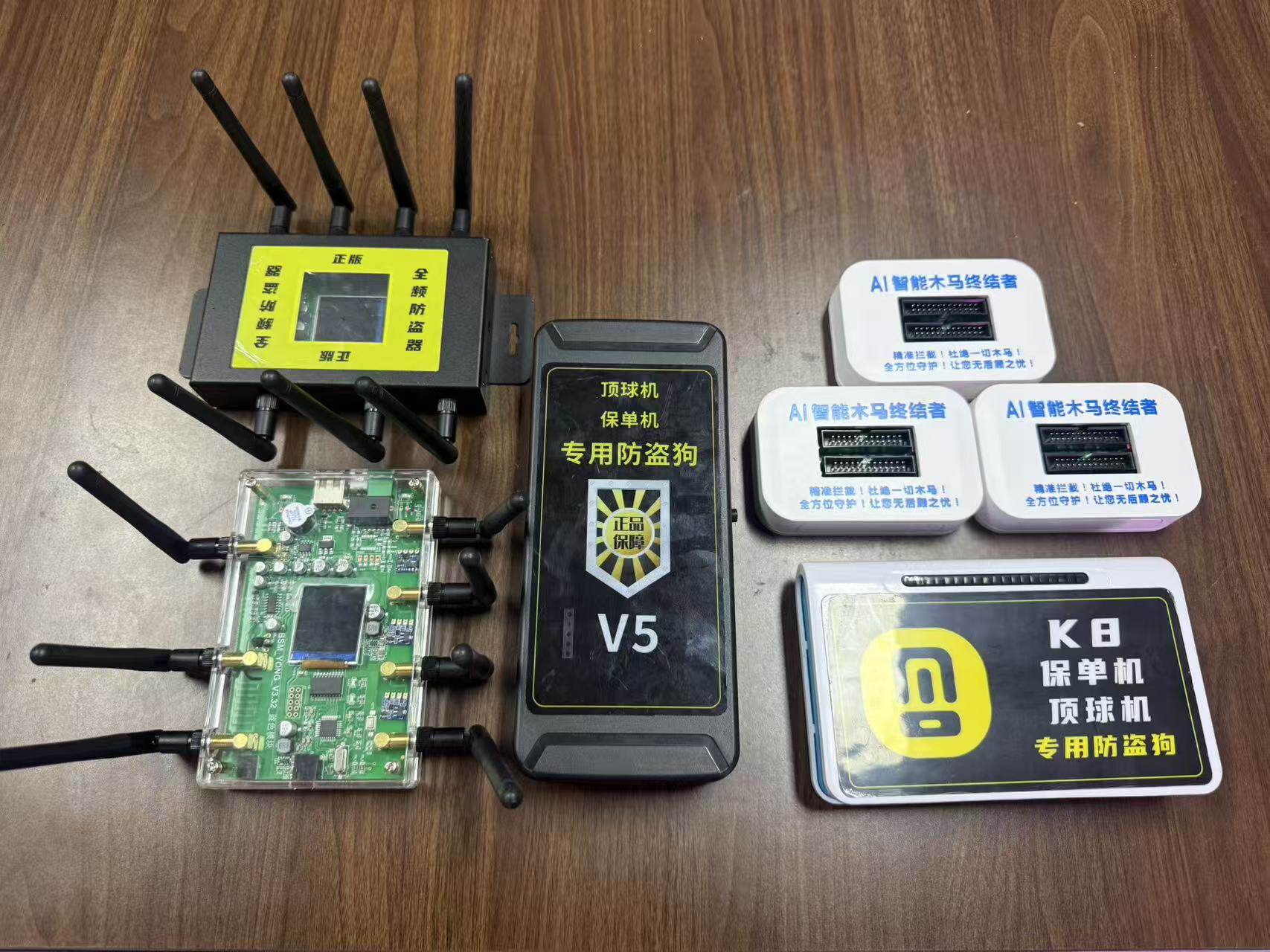
AI-driven anti-cheat modules replace crude analog loops with high-speed digital signal processing. By sampling incoming electromagnetic fields at millions of cycles per second, the module computes exact wave rise times and spectral densities.
This digital fingerprinting allows the unit to instantly recognize the high-energy, nanosecond rise-time signature of a sparker discharge while completely ignoring background RF signals from mobile phones and venue lighting.
Waveform Fingerprinting and Digital Signal Processing Defense Models
| Technical Feature | Generic K-Series Alarm Board | AI Digital Anti-Cheat Module | Operational Benefit |
|---|---|---|---|
| Signal Processing | Basic Analog Operational Amp | 32-Bit Digital Signal Processor (DSP) | Eliminates false alarms from smartphones and radios |
| Detection Spectrum | Uncalibrated 10 – 100 MHz | Calibrated 100 kHz – 2.4 GHz Multi-Band | Detects Bluetooth, RF, and Sparker signals |
| Transient Clamping | None (Buzzer output only) | Dual Bidirectional TVS Diodes | Physically protects game PCB from burnout |
| Tamper Resistance | Exposed potentiometer calibration | Encrypted digital baseline storage | Cannot be desensitized by rogue employees |
| Output Control | Simple mechanical relay (<0.5A) | High-speed solid-state optical switch | <8ms cut-off latency protects cashbox |
Furthermore, AI modules feature active transient surge suppression. Rather than merely sounding a buzzer while the mainboard burns, the unit clamps incoming overvoltage to safe logic levels in less than 5 picoseconds.
Securing cabinet calibration is another critical advantage. While generic boards have exposed sensitivity dials that can be turned down by dishonest employees, AI units utilize tamper-proof digital firmware baselines stored in encrypted EEPROM.
Cost of Ownership and Revenue Impact of Chronic False Alarms
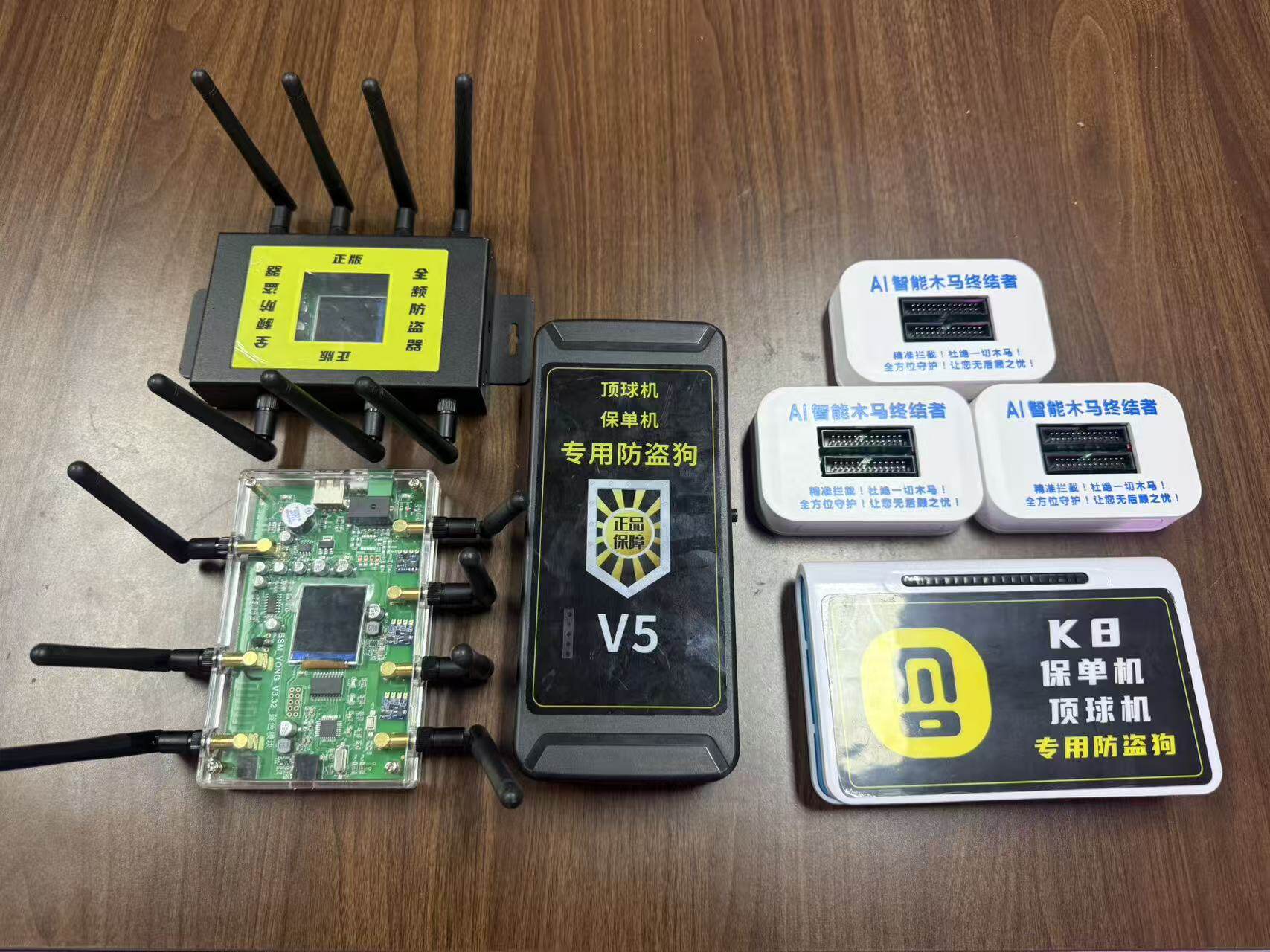
Retrofitting a cabinet from a legacy alarm to an AI anti-cheat module is straightforward. Technicians disconnect the old analog board and plug the power and pulse lines directly into the industrial module’s keyed terminal connectors.
Investing in modern digital anti-cheat technology eliminates both costly false alarms and devastating theft, providing continuous peace of mind and stable route profitability.
Step-by-Step Retrofit Guide Replacing Legacy Boards with AI Hardware
Retrofitting a cabinet from a legacy alarm to an AI anti-cheat module is straightforward. Technicians disconnect the old analog board and plug the power and pulse lines directly into the industrial module’s keyed terminal connectors.
Investing in modern digital anti-cheat technology eliminates both costly false alarms and devastating theft, providing continuous peace of mind and stable route profitability.
Related Defense Systems and Anti-Cheat Resources
- why operators switch to AI defense — The industry shift from passive alarms to firmware-level protection.
- K9 vs K10 benchmark comparison — Benchmarking legacy alarm units against modern defense boards.
- AI anti-cheat for fish tables — Hardware architecture differences protecting fish game math models.