- Evolution of Arcade Cheating from Analog Sparkers to Firmware Micro Trojans
- How Malicious Subroutines Hijack Probability Algorithms and RNG Registers
- Real Time Firmware Checksum Verification and Bus Hash Validation
- Hardware Integration Architecture for IGS and Custom Fish Game PCBs
- SOP for Quarantine and Forensic Analysis of Tampered Motherboards
- Related Defense Systems and Anti-Cheat Resources
Modern gaming venue security has evolved beyond simple sparker defense into complex software warfare. Today’s cheating syndicates rarely rely on crude physical sparkers; instead, they bribe technicians or exploit supply chains to install modified firmware chips and covert micro-daughterboards directly onto game motherboards. Implementing certified industrial arcade anti-cheat defense systems with active firmware integrity verification is the only reliable way to detect and block firmware Trojans before they drain game room profits.
A firmware Trojan operates at the lowest machine level, altering compiled assembly instructions in the game EPROM or NAND flash storage. When a colluding player inputs a specific sequence of joystick movements or button taps, the Trojan subroutine activates, forcing the game’s payout algorithm into an artificial 100% win cycle. For a comprehensive architectural overview and turnkey procurement frameworks, review our master guide on commercial arcade loss prevention guide.
Evolution of Arcade Cheating from Analog Sparkers to Firmware Micro Trojans
Because these exploits operate entirely within software logic, traditional analog alarm boards and RF sensors remain completely blind. The game continues running normally, displaying authentic graphics while secretly hemorrhaging thousands of dollars in illicit payouts.
AI Trojan defense boards solve this vulnerability by functioning as hardware-level intrusion detection systems. Positioned directly on the memory bus and JAMMA interface, the unit computes real-time cryptographic hashes (SHA-256 and cyclic redundancy checks) of all executed code blocks.
How Malicious Subroutines Hijack Probability Algorithms and RNG Registers
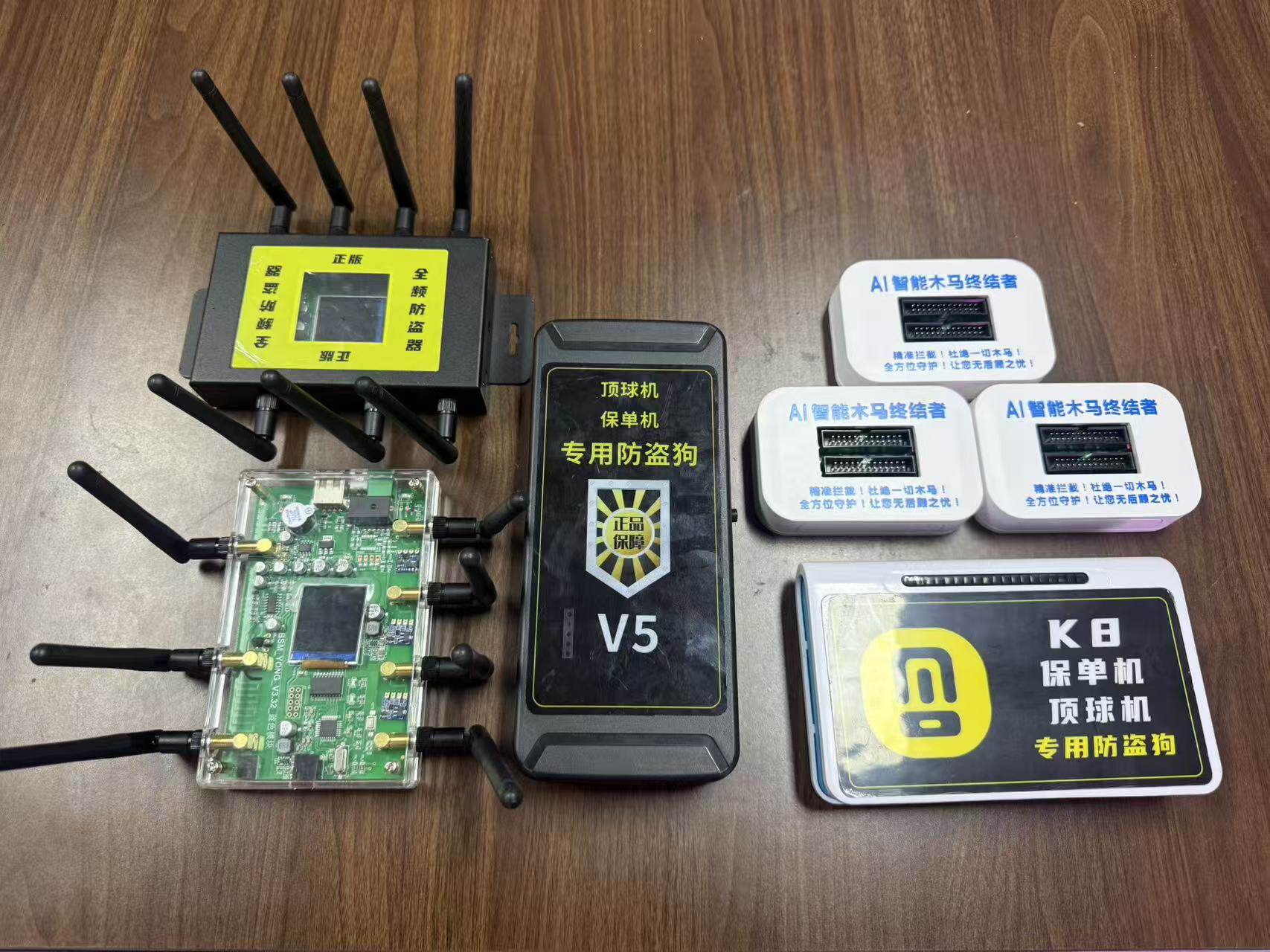
If a memory block diverges from the factory-verified firmware signature, or if illegal machine instruction cycles are detected, the defense board instantly disables the payout relay and triggers a silent manager notification via the secure venue network.
Furthermore, modern AI modules analyze mathematical win-loss distributions in real time. If a specific seat or player exhibits statistical anomaly thresholds exceeding three standard deviations (3σ) from the programmed Return to Player (RTP) baseline, the system flags the cabinet for audit.
Real Time Firmware Checksum Verification and Bus Hash Validation
| Defense Parameter | Basic Analog Alarm Board | Standard Hardware Watchdog | AI Trojan Defense System |
|---|---|---|---|
| Threat Coverage | RF Fields & Direct Sparks Only | RF + Pulse Frequency Timing | RF + Pulse + Bus Logic & Firmware ROM Checksum |
| Firmware Integrity Check | None (Blind to modified code) | None | Real-time SHA-256 / CRC-32 Hash Verification |
| RNG Tamper Detection | None | Limited to payout frequency | Continuous Statistical Deviation & Odds Drift Analysis |
| Response Action | Audible Siren | Relay Power Disconnect | Instant Power Lockout + Silent Cloud Alert + Audit Log |
| False Alarm Rejection | Poor (Sensitive to phones) | Moderate | High (Digital Pattern Recognition) |
Installing an AI Trojan defense module requires no permanent board modifications. The device utilizes modular pass-through adapters that interface cleanly with standard IGS, Ocean King, and custom PC-based game platforms.
When an intrusion attempt is confirmed, the hardware logs timestamped register dumps and logic analyzer snapshots to internal non-volatile EEPROM, providing operators with irrefutable forensic evidence for law enforcement and insurance claims.
Hardware Integration Architecture for IGS and Custom Fish Game PCBs
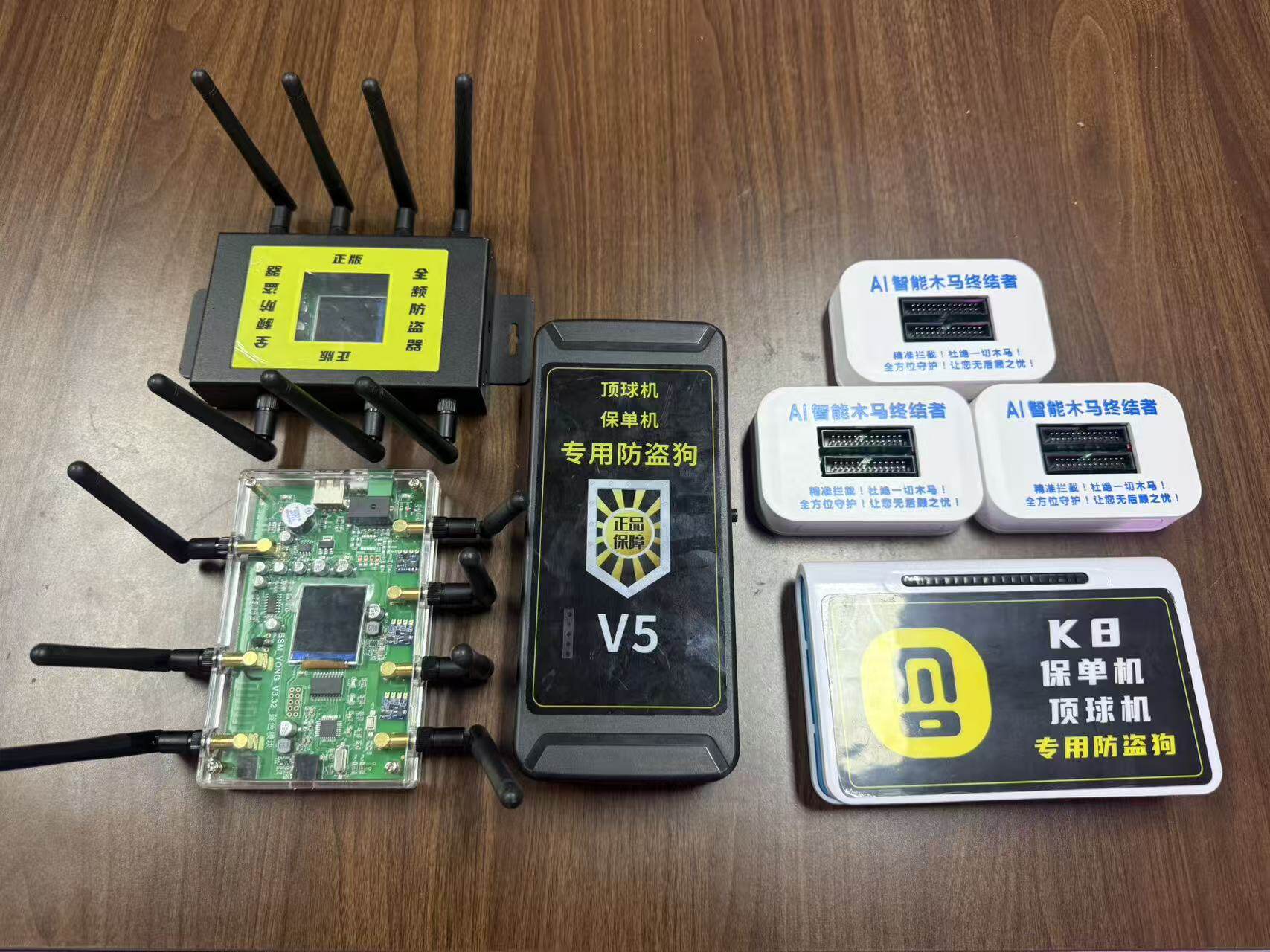
Routine management procedures should include monthly firmware verification scans and physical tamper-seal audits across all cabinet access doors and security cages.
Upgrading to hardware-enforced AI firmware protection guarantees that your games operate strictly according to their certified mathematical models, protecting venue equity and customer trust.
SOP for Quarantine and Forensic Analysis of Tampered Motherboards
Routine management procedures should include monthly firmware verification scans and physical tamper-seal audits across all cabinet access doors and security cages.
Upgrading to hardware-enforced AI firmware protection guarantees that your games operate strictly according to their certified mathematical models, protecting venue equity and customer trust.
Related Defense Systems and Anti-Cheat Resources
- how trojan code cheating works — Technical breakdown of malicious ROM injection in game motherboards.
- AI anti-cheat for fish tables — Hardware architecture differences protecting fish game math models.
- generic alarms vs AI defense — Why legacy hardware alarms fail to detect software-level exploits.