- The Critical Fallacy of Software Leasing and Black Box Operations
- Next Generation Client Rendering Architecture Using Unity 3D and Unreal Engine
- Advanced Stochastic Probability and RTP Math Model Engineering
- [Multi Tier Agent](/multi-tier-agent-backend-systems-for-arcade-operators/) Distribution Backend Management Architecture
- Uncompromising Security Architecture and Anti Crack Defense
- The Complete Legal Framework of Source Code Buyout and IP Transfer
- Hardware Integration for Turnkey Cabinets
- Commercial Viability and Accelerated ROI
- The Guangzhou Miba Engineering Factory Standard
- Technical FAQ on Custom Game Development and Source Code Ownership
As operators and investors expand their footprint in the highly competitive commercial gaming sector, the decision between leasing generic software and investing in bespoke proprietary systems becomes the absolute dividing line between long-term profitability and perpetual dependency. I am Engineer Wang, lead hardware and game system architect at Guangzhou Miba Animation Technology Co., Ltd. Over the past twelve years, working from our 15,000-square-meter manufacturing base in Panyu, Guangzhou, I have witnessed countless overseas operators bleed capital through revenue-sharing agreements and unoptimized math models. Our 50-person in-house engineering and R&D team has engineered a fundamentally different approach. We do not just sell machines; we engineer comprehensive, turnkey casino and arcade game software ecosystems, delivering 100% source code ownership to our B2B clients.
When you operate in jurisdictions spanning from the United States to Southeast Asia, you cannot rely on black-box systems that restrict your ability to modify payout volatilities, adapt to local regulatory requirements, or scale your agent networks. Our methodology at Arcade Manufacturer bridges the gap between industrial-grade cabinet manufacturing and elite software engineering. We build the physical steel, we write the C# and C++ rendering logic, we design the stochastic probability algorithms, and then we hand you the keys to the kingdom.
This comprehensive technical blueprint dissects our end-to-end software engineering pipeline. We will explore the intricacies of Unity 3D and Unreal Engine rendering architectures, the mathematical rigor behind our Return to Player models, the hierarchical complexities of multi-tier distribution backends, our uncompromising anti-crack security protocols, and the legal framework of complete IP transfer. If you are serious about controlling your operational destiny, escaping the revenue-share trap, and deploying hardware-software integrated platforms that dominate the floor, this technical breakdown is your absolute baseline.
The Critical Fallacy of Software Leasing and Black Box Operations
The commercial gaming industry is saturated with software providers offering low upfront costs masked behind aggressive revenue-sharing models. Operators often perceive these Software as a Service models as low-risk entry points. In our Panyu QA and software labs, our protocol mandates a mathematical deconstruction of this fallacy. A revenue-share model taking 10% to 30% of your Gross Gaming Revenue (GGR) will systematically erode your margins as you scale. Furthermore, leasing black-box software strips you of operational control.
When you do not own the source code, you cannot audit the RNG algorithm. You cannot adjust the volatility to suit the specific psychological profile of your demographic. If a popular glitch is discovered and exploited on the floor, you must wait for a third-party developer across the globe to patch their proprietary system. You are a tenant in your own arcade.
By contrast, our 100% source code buyout architecture fundamentally transfers power back to the operator. We provide the complete raw asset files, the uncompiled source code, the database schemas, and the server deployment scripts. This means your internal IT team can fork the repository, localize the UI, reskin the entire thematic presentation, and compile independent builds. This level of autonomy is particularly crucial when dealing with complex commercial arcade game machines manufacturing standards, where the software must perfectly interface with custom I/O boards, customized bill acceptors, and proprietary hopper mechanisms.
Next Generation Client Rendering Architecture Using Unity 3D and Unreal Engine
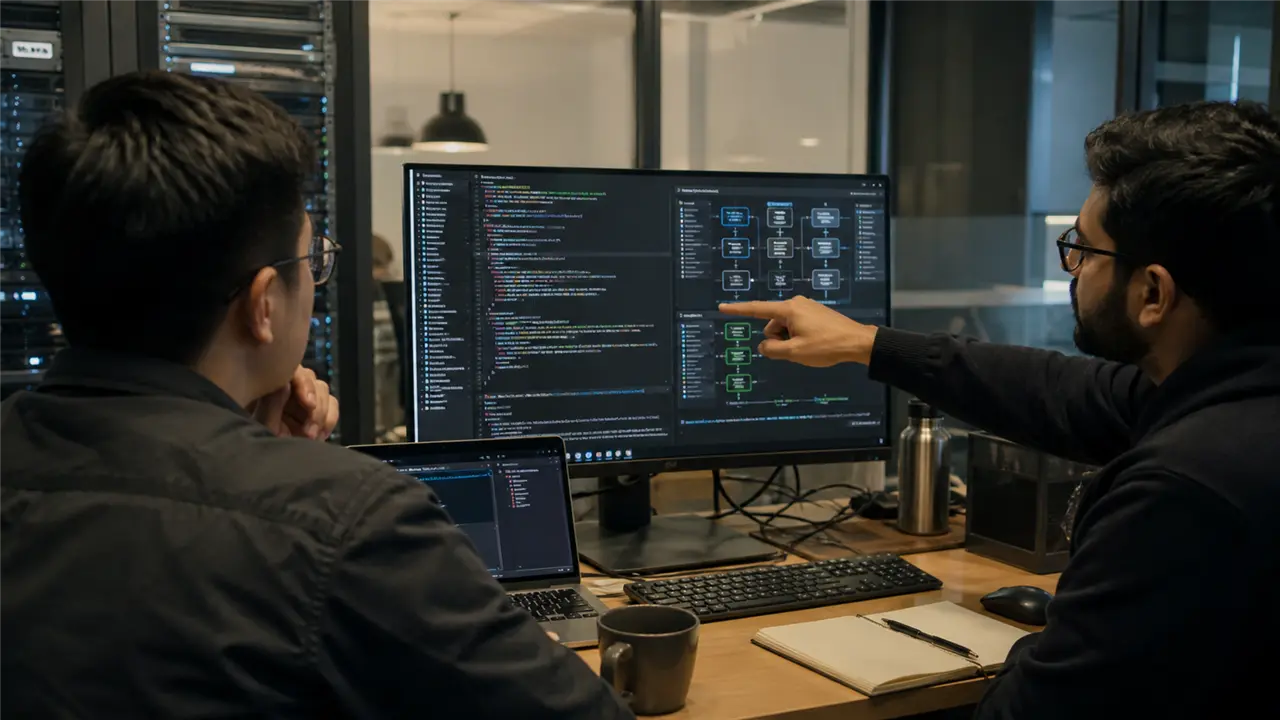
The visual fidelity and immediate responsiveness of the client interface directly correlate with player retention. We do not develop on obsolete legacy engines. Our 50-engineer software division exclusively leverages Unity 3D (C#) and Unreal Engine 5 (C++) for all client-side development. This dual-engine capability allows us to match the specific operational requirements of the project to the most appropriate technology stack.
Unity 3D Deployment for Cross Platform Versatility
For projects requiring massive cross-platform deployment spanning heavy industrial cabinets, mobile applications, and WebGL browser clients, Unity 3D remains our primary engine. We utilize the Universal Render Pipeline (URP) to ensure that the game client maintains a locked 60 FPS across both our high-end 85-inch multi-player cabinets and lower-specification mobile devices used in remote live arcade scenarios.
Our Unity architecture heavily relies on Addressable Asset Systems. In a large-scale commercial operation, updating game assets locally across hundreds of physical cabinets is a logistical nightmare. By implementing Addressable Assets and a custom Content Delivery Network topology, our clients can push new localized art assets, audio files, and even updated math model configurations to the fleet entirely over the air without requiring a full binary reinstallation. This is particularly prevalent in our fish table game source code buyout architecture, where continuous updates of new boss monsters and weapon tiers are necessary to sustain player engagement over multi-year lifecycles.
Unreal Engine 5 for Cinematic Fidelity in Slot and Sweepstakes Terminals
When a client demands absolute photorealism, dynamic lighting, and cinematic particle effects for VIP casino floors, we deploy Unreal Engine 5. We utilize Nanite virtualized geometry to render millions of polygons for highly detailed 3D slot reels and interactive bonus game environments without crippling the localized CPU/GPU. The Niagara visual effects system allows us to create mathematically driven particle explosions corresponding to massive jackpot payouts, creating a psychological feedback loop that drives continuous play.
Our C++ backend integration with Unreal Engine is completely deterministic. We decouple the visual rendering loop from the logical calculation loop. The visual client merely acts as a dumb terminal, receiving deterministic outcomes from the server and translating those outcomes into spectacular visual sequences. This prevents any form of client-side memory injection or memory spoofing from altering the actual game outcome.
Advanced Stochastic Probability and RTP Math Model Engineering
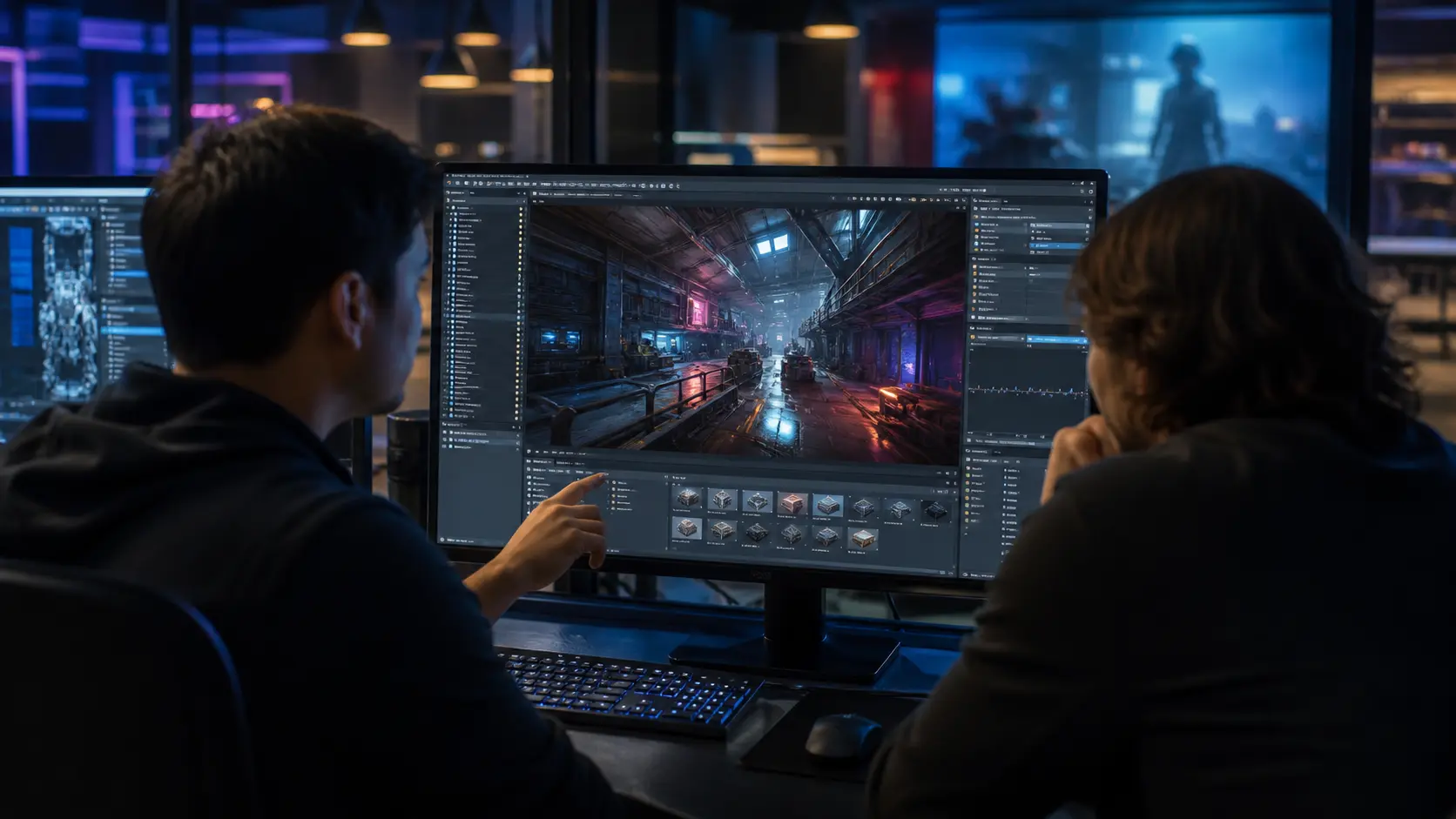
The heart of any commercial gaming software is not the graphics; it is the mathematical model. The Return to Player (RTP) algorithm dictates the financial sustainability of the entire operation. In our engineering facility, we treat math model development with the same rigor as our physical hardware PCB layout.
Volatility Tuning and Hit Frequency Matrices
Our math engines are built on advanced stochastic probability matrices. We do not use simple flat-rate payout tables. Instead, we engineer complex volatility curves that can be fine-tuned via the operator backend. A high-volatility configuration will yield fewer wins but offer the potential for massive jackpots, appealing to hardcore gamblers. A low-volatility configuration provides a continuous stream of smaller payouts, ideal for casual arcade environments designed for longer time-on-device metrics.
We expose these parameters via a comprehensive configuration file within the source code. The operator can independently adjust the Base Game Hit Frequency, the Bonus Game Trigger Probability, and the Maximum Exposure Limit. This is critically important for operators deploying a white label slot game software platform, as different regional markets exhibit vastly different psychological preferences regarding payout frequency.
Certifiable Random Number Generation
Our core RNG (Random Number Generator) modules are written in C++ and can be compiled as separate dynamic link libraries (DLLs) or Linux shared objects (.so). We utilize cryptographic-grade RNG algorithms, such as the Mersenne Twister (MT19937) combined with hardware entropy seeding (utilizing CPU temperature fluctuations and keystroke timings). This ensures that the outcomes are non-deterministic from the player’s perspective and completely immune to pattern prediction attacks.
Furthermore, because you own the source code, you have the ability to submit the RNG module to independent testing laboratories (such as GLI, BMM Testlabs, or iTech Labs) for jurisdictional certification. We structure the code specifically to facilitate this auditing process, separating the RNG logic clearly from the game rules and visual rendering layers.
[Multi Tier Agent](/multi-tier-agent-backend-systems-for-arcade-operators/) Distribution Backend Management Architecture
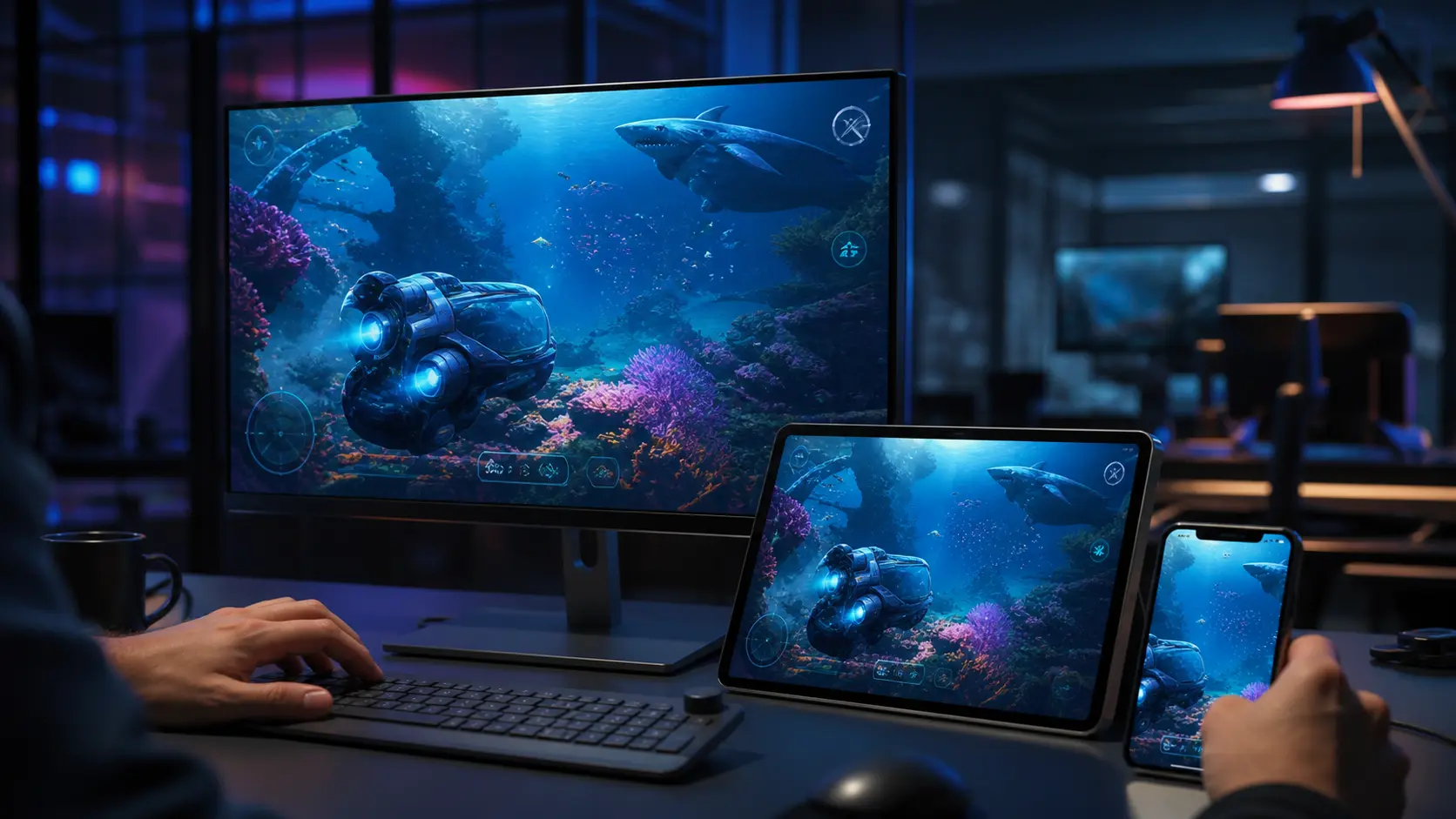
Software on the cabinet is only half the equation. The financial backbone of a large-scale gaming operation relies on a robust, multi-tier distribution backend. Our backend architecture is engineered using highly scalable microservices, typically deployed on Node.js or Golang, backed by PostgreSQL for transactional integrity and Redis for high-speed state caching.
The Four Tier Hierarchical Tree
We structure the backend to support a complex, four-tier hierarchical management tree, essential for expansive operational networks:
1. Super Master (The Root Operator) Possesses absolute control over the entire ecosystem. Can create Master accounts, configure global RTP baseline limits, manage global financial settlements, and audit system-wide logs. 2. Master (Regional Distributors) Manages a specific geographical region or large network of venues. Can create Agent accounts, allocate credit pools, and view aggregated performance metrics for their specific downline. 3. Agent (Route Operators / Venue Owners) Manages specific physical locations or specific player networks. Can create Cashier accounts, monitor live machine performance, and handle localized credit distribution. 4. Cashier (Frontline Staff) Handles direct player interactions. Can create player accounts, process physical cash-to-credit deposits, and execute credit-to-cash redemptions.
Real Time Telemetry and Financial Reconciliation
This multi-tier system operates in real-time. If a player inserts a $100 bill into a cabinet in Jakarta, the telemetry data is instantly processed via WebSockets. The Super Master in London can view the transaction immediately. The system automatically calculates the predefined commission splits and revenue shares at every level of the hierarchy, depositing the respective margins into virtual wallets.
This level of granular control is the defining feature of our turnkey sweepstakes software engineering. We provide the complete source code for this entire backend infrastructure, including the frontend React/Vue.js administrative dashboards. You are not reliant on our servers. You deploy the system on your own AWS, Google Cloud, or bare-metal server infrastructure, maintaining absolute sovereignty over your player data and financial records.
Uncompromising Security Architecture and Anti Crack Defense
When you control a system handling millions of dollars in transactional volume, security is not an afterthought; it is the foundation. As an engineer who has analyzed countless compromised arcade systems, I guarantee that software security must be tackled at the kernel, network, and application layers simultaneously.
Memory Protection and Anti Injection Mechanisms
On the client side, our compiled binaries incorporate sophisticated anti-debugging and anti-dumping technologies. We obfuscate critical memory offsets and utilize dynamic memory allocation for sensitive variables like player credits and active bet amounts. This renders standard memory injection tools (such as Cheat Engine) entirely ineffective. The game client runs a continuous heartbeat check against the server; if the client-side state diverges from the server’s authoritative state by even a single variable, the session is instantly terminated and the terminal is locked.
Network Layer Encryption and Payload Authentication
All communication between the physical cabinet (or mobile client) and the backend server is encrypted using TLS 1.3. However, standard TLS is insufficient against sophisticated man-in-the-middle attacks where the attacker controls the local network. Therefore, we implement an additional layer of payload encryption using AES-256-GCM.
Furthermore, every single API request requires a cryptographic signature generated using a unique, rotating session token and a localized timestamp. If an attacker attempts a replay attack by capturing a “win” packet and resending it, the server will instantly reject the payload due to a stale timestamp and mismatched signature.
Hardware to Software Security Binding
Because we manufacture the physical cabinets at our Panyu facility, we uniquely bind the software to our custom hardware I/O boards. The game software queries a hardware-level cryptographic key embedded in the I/O board’s microcontroller. If an operator attempts to clone the hard drive and run the software on unauthorized hardware, the software will refuse to boot. This prevents rogue employees from stealing your software IP and starting competing operations. When you purchase the source code, we provide the APIs and protocols required to modify or bypass this binding, giving you ultimate control.
The Complete Legal Framework of Source Code Buyout and IP Transfer
The term “Source Code Ownership” is frequently abused by unscrupulous vendors who provide obfuscated code, missing libraries, or heavily restricted licensing agreements. At Guangzhou Miba Animation, our definition of a source code buyout is absolute and legally binding.
What the Buyout Protocol Entails
When we execute a source code transfer, you receive the complete repository. This includes the uncompiled files.
- Uncompiled Source Code Every line of C#, C++, Go, and JavaScript/TypeScript. No hidden DLLs, no compiled black boxes.
- Raw Asset Files The original Photoshop (.psd), Maya/Blender (.fbx/.obj), and uncompressed audio files. You can modify the art style completely.
- Database Schemas The complete SQL initialization scripts, table structures, and stored procedures.
- Deployment Architecture Dockerfiles, Kubernetes manifests, and CI/CD pipeline scripts necessary to compile and deploy the system from scratch.
- Technical Documentation Comprehensive API swagger documentation, system topology diagrams, and code commenting.
The Handover and Training Process
We do not simply send a ZIP file and abandon you. Our engineering team conducts a rigorous, multi-day technical handover. We establish a secure Git repository transfer. I, along with our senior developers, will conduct video conferences with your internal technical team to walk them through the architecture, explain the compilation process, and verify that your team can successfully build the binaries from the provided source. We ensure your team is entirely self-sufficient.
Hardware Integration for Turnkey Cabinets
Software exists in a vacuum without robust hardware. Our distinct advantage is that we design the software to perfectly interface with our industrial-grade cabinets.
Our standard communication protocol between the PC motherboard and the physical peripherals (buttons, joysticks, coin acceptors, bill validators, and ticket dispensers) utilizes encrypted RS232 or USB serial protocols. We provide the complete I/O board SDK within the source code package. This means your developers can write custom logic for peripheral behavior. Want the LED marquee to flash in a specific sequence when a specific jackpot is hit? You have the direct source code access to command the I/O board to execute that exact sequence.
This seamless integration eliminates the standard friction points encountered when buying software from one vendor and cabinets from another. Everything is engineered under one roof in Panyu, ensuring absolute compatibility and extreme durability for 24/7 commercial operation.
Commercial Viability and Accelerated ROI
The initial capital expenditure for a complete source code buyout and custom software development is inherently higher than leasing a white-label solution. However, the Return on Investment (ROI) curve aggressively favors ownership at scale.
Consider an operation deploying 500 terminals. A software provider charging a 10% revenue share on a system generating $100 per day per terminal will extract $150,000 per month from your operation. That is $1.8 million annually bleeding from your bottom line. By investing in custom software and a source code buyout, that capital expenditure is typically recovered within the first three to six months of scaled operation. After that break-even point, 100% of the software revenue margin remains within your enterprise.
Furthermore, owning the IP drastically increases the valuation of your company. You are no longer just an operator; you are a technology holding company with proprietary assets that can be franchised, sub-licensed, or sold.
The Guangzhou Miba Engineering Factory Standard
In our 15,000-square-meter facility, we maintain a strict philosophy: we build industrial-grade solutions for serious commercial operators. We do not deal in toys, and we do not deal in black-box dependency traps. Our 50-person engineering team represents the pinnacle of Chinese manufacturing efficiency combined with elite software architecture.
When you partner with us for custom casino and arcade game development, you are bypassing the middlemen, the brokers, and the software leasing agents. You are connecting directly with the source. You are talking to the engineers who design the math models and write the rendering loops.
If you are prepared to elevate your operation from a localized arcade to a scalable, proprietary gaming network, the technical infrastructure is ready. We invite you to initiate a deep technical consultation. We can schedule a video factory tour, demonstrate our backend administration panels in real-time, and discuss the precise architectural requirements for your next deployment.
Connect directly with the engineering floor to discuss custom game development, math model specifications, and source code buyout protocols
Engineer Wang (Lead Hardware & Game System Architect)
- WhatsApp / WeChat +86 17620842078
- Telegram https://t.me/JLwyc
- Email miba515527@gmail.com
- Factory Location Panyu Manufacturing Base, Guangzhou, China
Technical FAQ on Custom Game Development and Source Code Ownership
Do you use third party plugins that require ongoing licensing in the source code? No. Our development protocol strictly avoids third-party assets that require perpetual licensing or royalties. All core systems, including networking, database management, and rendering pipelines, are either built entirely in-house or utilize permissive open-source licenses (such as MIT or Apache 2.0). When you buy the source code, you own the IP without trailing royalty obligations to external plugin developers.
What programming languages and frameworks does your backend architecture utilize? Our high-performance multi-tier backends are typically constructed using Golang for extremely fast concurrent processing of gaming logic and socket connections, or Node.js (TypeScript) for rapid development and API routing. The database layer utilizes PostgreSQL for relational transactional data and Redis for high-speed, in-memory state caching. The administrative frontend dashboards are built using React or Vue.js.
How do you handle the integration of local payment gateways and specific bill validators? Because you receive the complete source code, you have full access to our I/O communication layer. We provide pre-built integrations for major industrial protocols like ccTalk and Pulse. If you need to integrate a localized online payment gateway (e.g., specific regional e-wallets or crypto processors), your development team can directly inject the API calls into the backend source code, completely bypassing any standard limitations of closed systems.
Can the RTP math models be verified by third party testing labs like GLI? Absolutely. We design our RNG (Random Number Generator) and game logic modules to be strictly deterministic and isolated from the visual client. We utilize standard cryptographic algorithms for randomness. You can submit the provided uncompiled source code to any major international testing laboratory for jurisdictional certification, as the code architecture strictly adheres to standard compliance auditing requirements.
What level of support do you provide after the source code handover is complete? We provide a comprehensive technical handover period, which includes direct video conferences with our senior engineering team to guide your developers through the compilation and deployment processes. While the goal is total self-sufficiency for your team, we offer ongoing enterprise-level maintenance contracts for severe architectural updates or massive hardware integration changes if you require our continued engineering support.
“`html