- Immediate Action Checklist When an Anti-Cheat Alarm Activates
- Preserving Physical Surveillance Footage and Game Meter Snapshots
- Professional Verbal De-escalation Scripts for Floor Attendants and Managers
- Documenting Evidence for Police Reports and Banned Patron Registers
- Post-Incident Machine Quarantine and Electrical Diagnostic Verification
- Related Defense Systems and Anti-Cheat Resources
When an anti-cheat alarm trips in a busy game room, how staff handle the immediate confrontation determines whether the venue successfully prevents fraud or faces costly customer escalation and legal liability. Cheating syndicates rely on aggression or manufactured outrage to intimidate floor attendants into paying out disputed prize tickets. Equipping your staff with clear Standard Operating Procedures (SOP) and backing them with industrial arcade anti-cheat defense systems ensures calm, professional, and indisputable incident resolution.
Step 1: Immediate physical intervention. The moment an audible or silent alarm triggers, the nearest floor attendant must approach the cabinet with a calm, authoritative demeanor. The attendant must immediately position themselves between the player and the payout counter, pausing the session. For a comprehensive architectural overview and turnkey procurement frameworks, review our master guide on EMP jammer shielding and surge protection.
Immediate Action Checklist When an Anti-Cheat Alarm Activates
Step 2: Neutral verbal communication. Attendants should never accuse the patron of cheating directly, which can provoke volatile reactions. Instead, use standardized technical phrasing: ‘Our security monitoring system logged an electrical line surge on this terminal. Company policy requires a supervisor meter audit before verifying payouts.’
Step 3: Preserving surveillance and machine data. While the supervisor speaks with the player, the security lead must immediately timestamp the CCTV system, exporting multi-angle camera footage covering the player’s hands, smartphone positioning, and coin door area.
Preserving Physical Surveillance Footage and Game Meter Snapshots
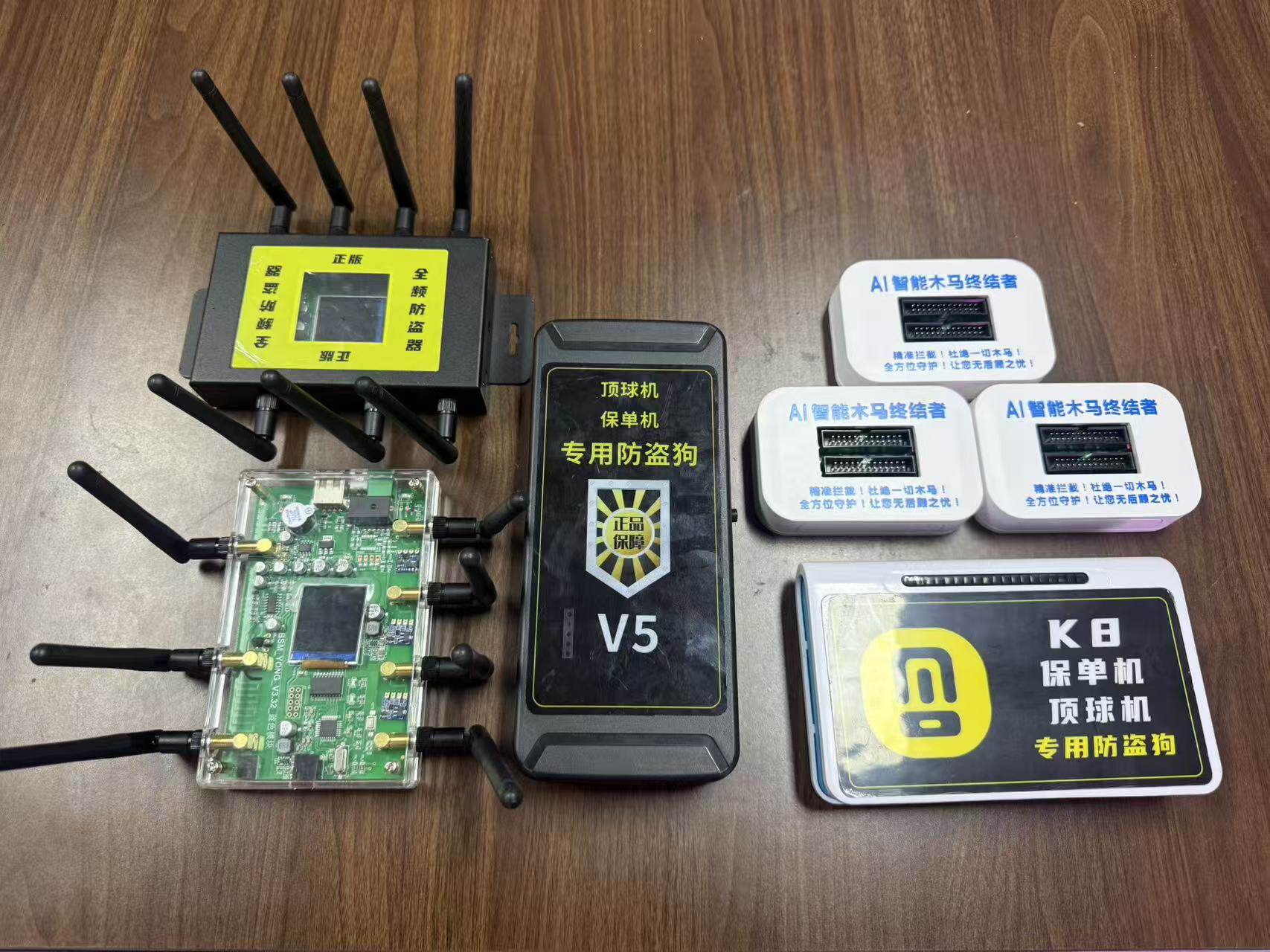
Step 4: Real-time hardware meter verification. Open the cabinet in the player’s presence, taking photos of the internal hardware watchdog status LEDs and printing or photographing the lifetime coin-in vs. payout meters.
If the watchdog indicates high-voltage RF injection or an invalid pulse sequence while the cashbox lacks corresponding physical currency, the operator has documented proof of fraud.
Professional Verbal De-escalation Scripts for Floor Attendants and Managers
| Step # | Protocol Phase | Staff Action Required | Evidence Collected | Legal / Safety Objective |
|---|---|---|---|---|
| 1 | Instant Response | Approach table, pause game payout session | Alarm timestamp & machine ID | Prevent fraudulent ticket payout |
| 2 | De-escalation | Inform player of a technical verification audit | Observe player behavior & devices | Avoid physical escalation |
| 3 | Surveillance Lock | Flag CCTV video angles (hands, table glass) | High-def video file exported | Preserve indisputable visual proof |
| 4 | Machine Audit | Record internal coin-in meter vs cashbox | Meter mismatch printout | Document financial loss quantity |
| 5 | Resolution | Issue trespass notice or contact local police | Signed incident report & device photos | Enforce venue security & legal ban |
Step 5: Incident closure and law enforcement involvement. If fraud is evident, calmly inform the individual that payout cannot be processed due to hardware tamper verification. If the player becomes hostile, contact local law enforcement and issue a formal trespass warning.
After the patron departs, complete a standardized Incident Report form, attaching CCTV stills, meter readouts, and watchdog event logs for venue insurance and regional operator security networks.
Documenting Evidence for Police Reports and Banned Patron Registers
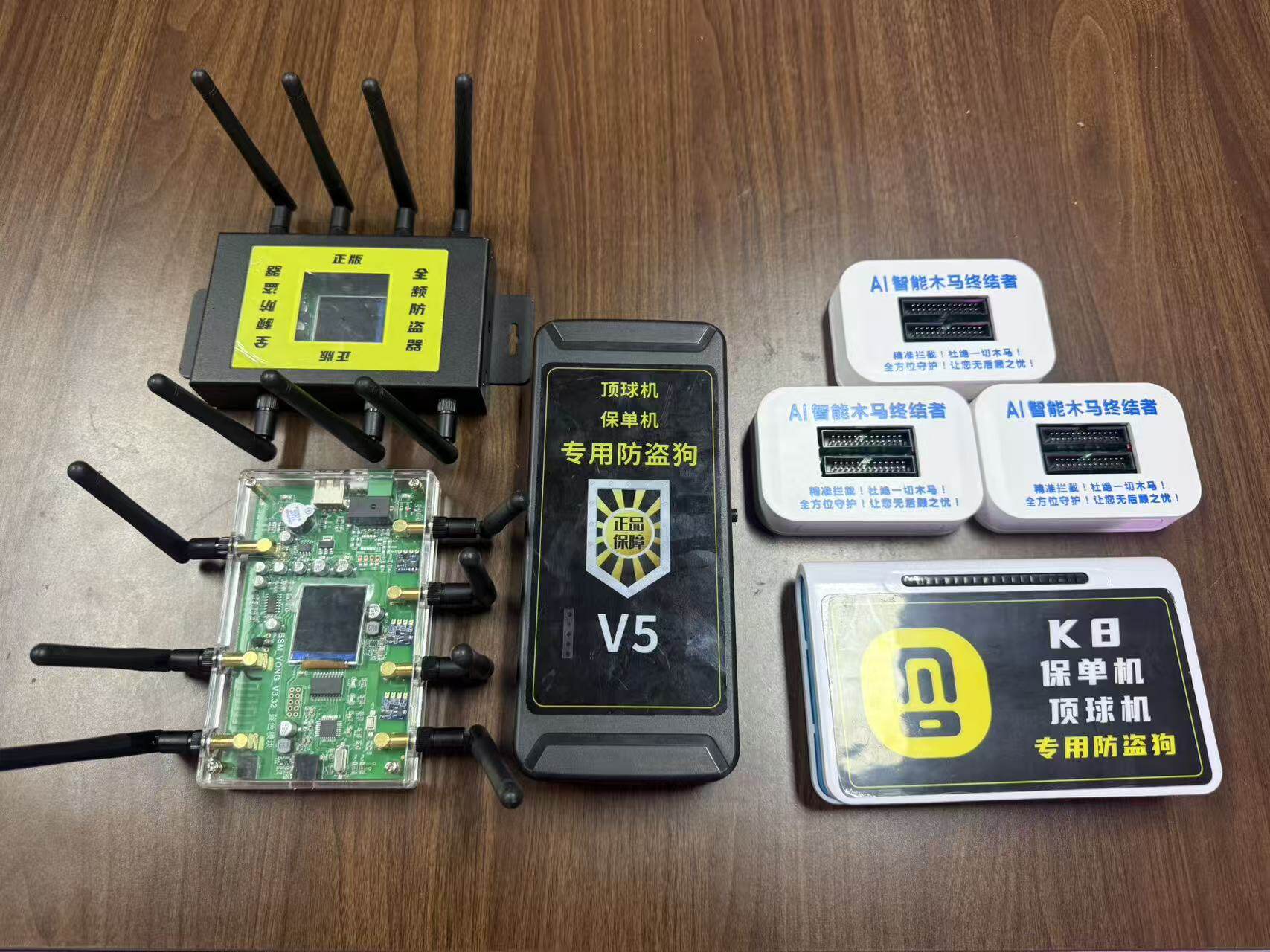
Quarantine the machine for 30 minutes to perform an electrical continuity check and verify that internal wiring harnesses remain undamaged.
Standardized confrontation training backed by objective hardware logging protects venue staff, safeguards revenue, and establishes a reputation as an impenetrable, zero-tolerance gaming facility.
Post-Incident Machine Quarantine and Electrical Diagnostic Verification
Quarantine the machine for 30 minutes to perform an electrical continuity check and verify that internal wiring harnesses remain undamaged.
Standardized confrontation training backed by objective hardware logging protects venue staff, safeguards revenue, and establishes a reputation as an impenetrable, zero-tolerance gaming facility.
Related Defense Systems and Anti-Cheat Resources
- building an anti-cheat staff SOP — Developing comprehensive operational security protocols for venue staff.
- how to prove a player is cheating — Evidence collection standards for prosecuting arcade fraud.
- daily cash reconciliation SOP — Catching electronic cheating losses early through daily meter balancing.
Standard Operating Procedures for Security Alarms and Evidence Collection
When an arcade anti-cheat watchdog triggers an alert, staff execution must follow strict operational and legal protocols to de-escalate tension, secure electronic evidence, and protect venue staff from physical conflict. False accusations alienate legitimate high-rolling players, while hesitance allows organized cheat syndicates to cash out fraudulent credits. Establishing a standardized, step-by-step Standard Operating Procedure (SOP) ensures swift, legally defensible, and safe resolution of suspicious floor anomalies.
| Phase | Staff Action Item | Required Evidence | Key Operational Risk to Avoid |
|---|---|---|---|
| Phase 1: Verification | Check backoffice dashboard for trip code (RF vs EMP vs Pulse) | Time-stamped event log & CCTV snapshot | Confronting player before verifying alarm code |
| Phase 2: Administrative Freeze | Remotely pause cabinet payout via manager key or mobile app | Cabinet serial number & player session ID | Allowing player to press payout button |
| Phase 3: Calm Engagement | Approach player politely stating ‘Routine technical audit required’ | Manager presence & audio recording where legal | Accusatory language or aggressive physical posturing |
| Phase 4: Hardware Inspection | Inspect coin acceptor, bill path, and player hands for devices | Physical device photo & bill serial numbers | Touching player belongings without consent |
| Phase 5: Documentation | Log incident into police/internal incident report database | Signed audit slip, CCTV export, device log | Failing to document timestamped sequence |
Legal Standards for Electronic Evidence in Gaming Dispute Arbitration
In modern commercial gaming venues, electronic evidence captured by hardware watchdogs carries legal evidentiary weight during civil recovery and law enforcement proceedings. Watchdog logs that capture high-resolution RF spectrum signatures, exact microsecond pulse count discrepancies, and correlated CCTV timestamps provide indisputable proof of tampering. Training venue managers to export tamper-evident cryptographic log files immediately following an incident creates an unassailable legal barrier against player dispute claims.
For more insights on arcade operational risk management, review our comprehensive analysis on Industrial Arcade Machine Security and Anti-Cheat Defense Systems.