- Wireless Communication Protocols Exploited by Cheating Syndicates
- Physical Splicing Methods Tapping into JAMMA Power and Pulse Lines
- RF Carrier Modulation Decoding and Remote Command Execution
- Hardware-Level Signal Isolation and Pulse Bus Interception
- Comprehensive Checklist for Auditing Cabinet Wiring Harnesses
- Related Defense Systems and Anti-Cheat Resources
To effectively defend arcade cabinets against modern wireless cheating syndicates, operators must understand the exact technical mechanisms through which wireless devices communicate with game boards. From basic 315 MHz radio receivers to advanced Bluetooth micro-chips, all wireless exploits rely on intercepting or injecting electrical signals into the machine’s wiring harness. Installing industrial arcade anti-cheat defense systems provides complete signal conditioning and optical isolation, severing the communication pathways that cheaters exploit.
Wireless cheat devices operate through one of two primary methods: physical internal transceiver tapping or external electromagnetic coupling. For a comprehensive architectural overview and turnkey procurement frameworks, review our master guide on AI Trojan Terminator and RF defense systems.
Wireless Communication Protocols Exploited by Cheating Syndicates
In a physical tap, a hidden receiver module is spliced into the JAMMA harness behind the coin door. The module draws operating power from the machine’s 12V DC rail and attaches a switching transistor to the coin-in or payout line.
When the module receives a matched radio packet from a remote key fob or smartphone, the transistor grounds the coin-in line for 50 milliseconds, tricking the game board into registering a paid credit.
Physical Splicing Methods Tapping into JAMMA Power and Pulse Lines
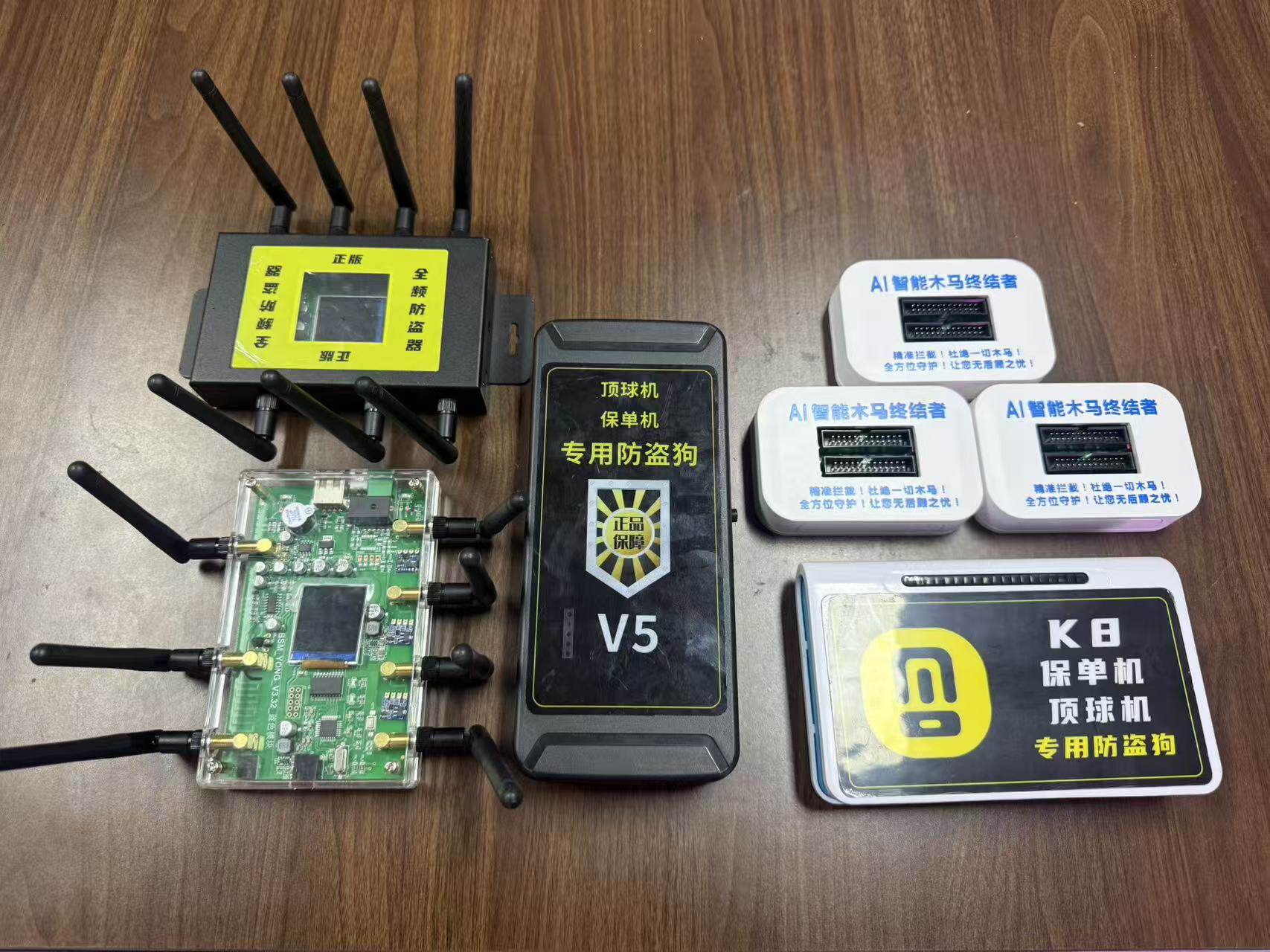
In an external electromagnetic attack, a handheld sparker or high-frequency transmitter couples energy directly through the cabinet chassis without physical contact, inducing parasitic voltages on internal wires.
Industrial anti-cheat modules neutralize both attack vectors by placing an active security barrier between external wiring and the game processor.
RF Carrier Modulation Decoding and Remote Command Execution
| Interface Method | Communication Protocol | Tapped Signals | Execution Mechanism | Hardware Defense Countermeasure |
|---|---|---|---|---|
| JAMMA Edge Tap | 315 / 433 MHz RF | 12V DC, GND, Coin 1 | Relay grounds coin line for 50ms | Optical Isolator & TVS Pulse Filter |
| Serial Bus Interceptor | UART / RS-232 | TX, RX, 5V DC | Injects forged bill accept packets | Encrypted Serial Challenge-Response IC |
| Memory Bus Daughterboard | SPI / Parallel Bus | Address / Data Lines | Overrides RNG seed in EPROM | Real-time Cryptographic ROM Hash Watchdog |
| BLE Wireless Dongle | Bluetooth 5.0 GATT | Key-in, Payout lines | Smartphone app triggers payout | Power Bus Current Analyzer & RF Sniffer |
Incoming pulse lines pass through high-speed optical isolators that translate electrical pulses into light beams across a physical air gap. Because no continuous electrical conductor exists, rogue wireless boards cannot pull the logic line low without authorization from the watchdog processor.
Simultaneously, the module analyzes pulse duration and rise-time symmetry. If an injected pulse exhibits the sharp microsecond rise time of an electronic transistor tap rather than a genuine mechanical switch, the signal is discarded.
Hardware-Level Signal Isolation and Pulse Bus Interception
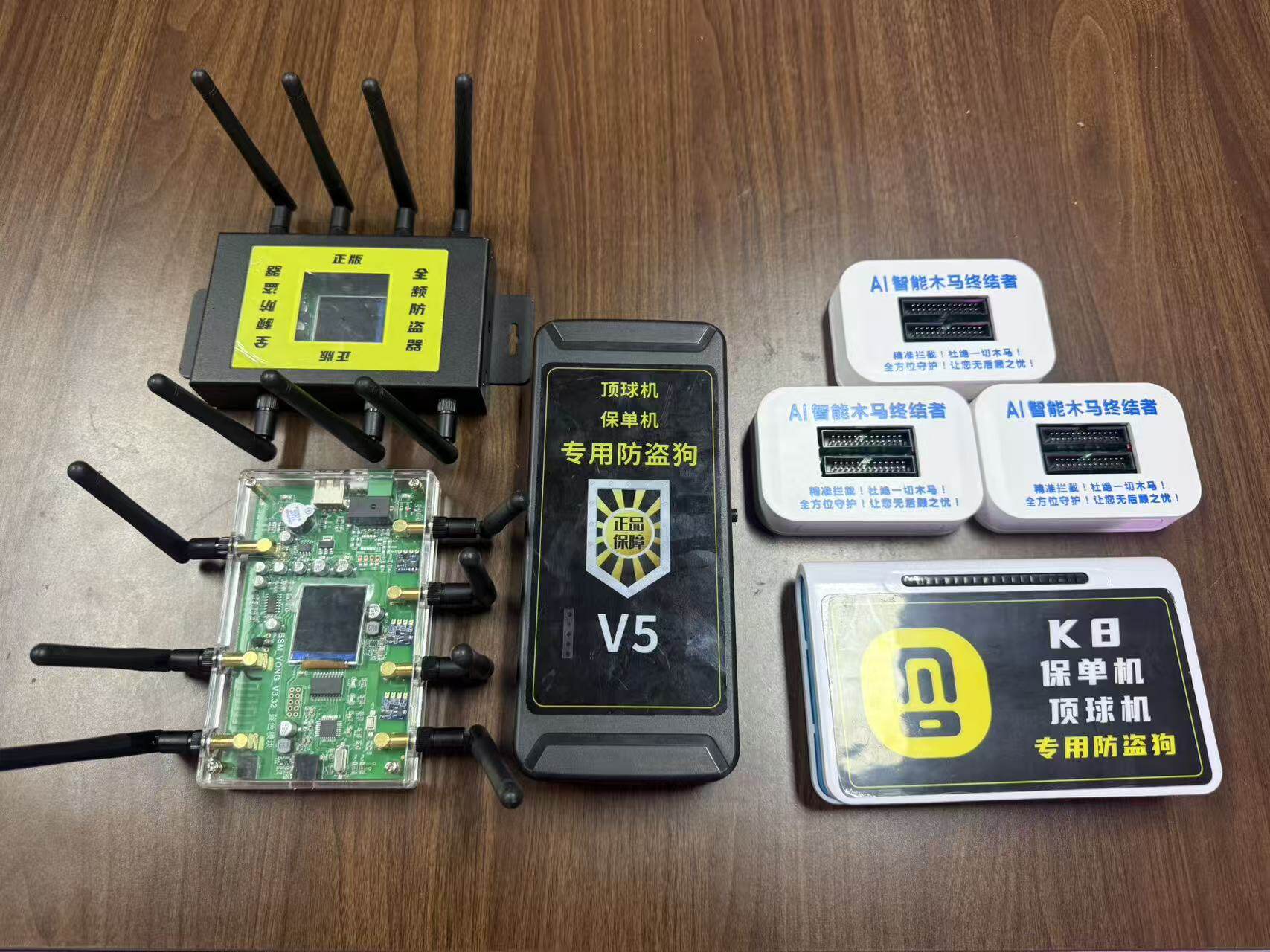
Regular venue security protocols should include inspecting internal wiring for non-factory splices, loose antenna wires, or unfamiliar shrink-wrapped modules.
Deploying robust optical isolation and pulse-filtering hardware guarantees that only genuine, physical coin insertions and bill transactions can add credits to your machines.
Comprehensive Checklist for Auditing Cabinet Wiring Harnesses
Regular venue security protocols should include inspecting internal wiring for non-factory splices, loose antenna wires, or unfamiliar shrink-wrapped modules.
Deploying robust optical isolation and pulse-filtering hardware guarantees that only genuine, physical coin insertions and bill transactions can add credits to your machines.
Related Defense Systems and Anti-Cheat Resources
- wireless cheating tools in arcades — Analyzing Bluetooth, Wi-Fi, 2.4GHz, and RF attack tools.
- remote control frequency cheating — Defending against RF key fobs and wireless transmitters.
- phones and smartwatches cheating game machines — Technical analysis of wearable and mobile cheating devices.