- Market Tiers for Arcade Anti-Cheat Devices and Price Variations
- Why Cheap 15 Dollar Alarm Boards Fail to Protect Commercial Cabinets
- Component Cost Breakdown of Industrial Grade Anti-Cheat Hardware
- Return on Investment Calculation for Game Rooms and Route Operators
- Wholesale Procurement Strategies and Volume Discount Thresholds
- Related Defense Systems and Anti-Cheat Resources
Determining the right budget for arcade security equipment requires balancing upfront hardware costs against catastrophic revenue leakage caused by illicit credit injections. In high-traffic game rooms, a single undetected EMP attack can drain hundreds of dollars in unearned prize payouts in minutes. Upgrading to certified industrial arcade anti-cheat defense systems delivers an average return on investment (ROI) within two weeks of deployment.
The commercial anti-cheat market spans four distinct price tiers, ranging from $15 entry-level analog buzzers to $150 enterprise-grade multi-sensor defense modules. Understanding the internal engineering differences between these tiers is essential for making informed purchasing decisions. For a comprehensive architectural overview and turnkey procurement frameworks, review our master guide on commercial arcade loss prevention guide.
Market Tiers for Arcade Anti-Cheat Devices and Price Variations
Low-cost $15 to $25 alarm boards use rudimentary inductor coils that trigger audible alarms only after high-voltage transients have already saturated the game motherboard. By the time the buzzer sounds, the game has already registered false credits and the perpetrator has claimed fraudulent tickets.
Professional $75 to $95 industrial modules integrate high-speed transient voltage suppression, 2,500V optical isolation, and solid-state disconnect relays that cut credit pulse lines in under 10 milliseconds. This millisecond-level reaction stops the credit command before the game board can process it.
Why Cheap 15 Dollar Alarm Boards Fail to Protect Commercial Cabinets
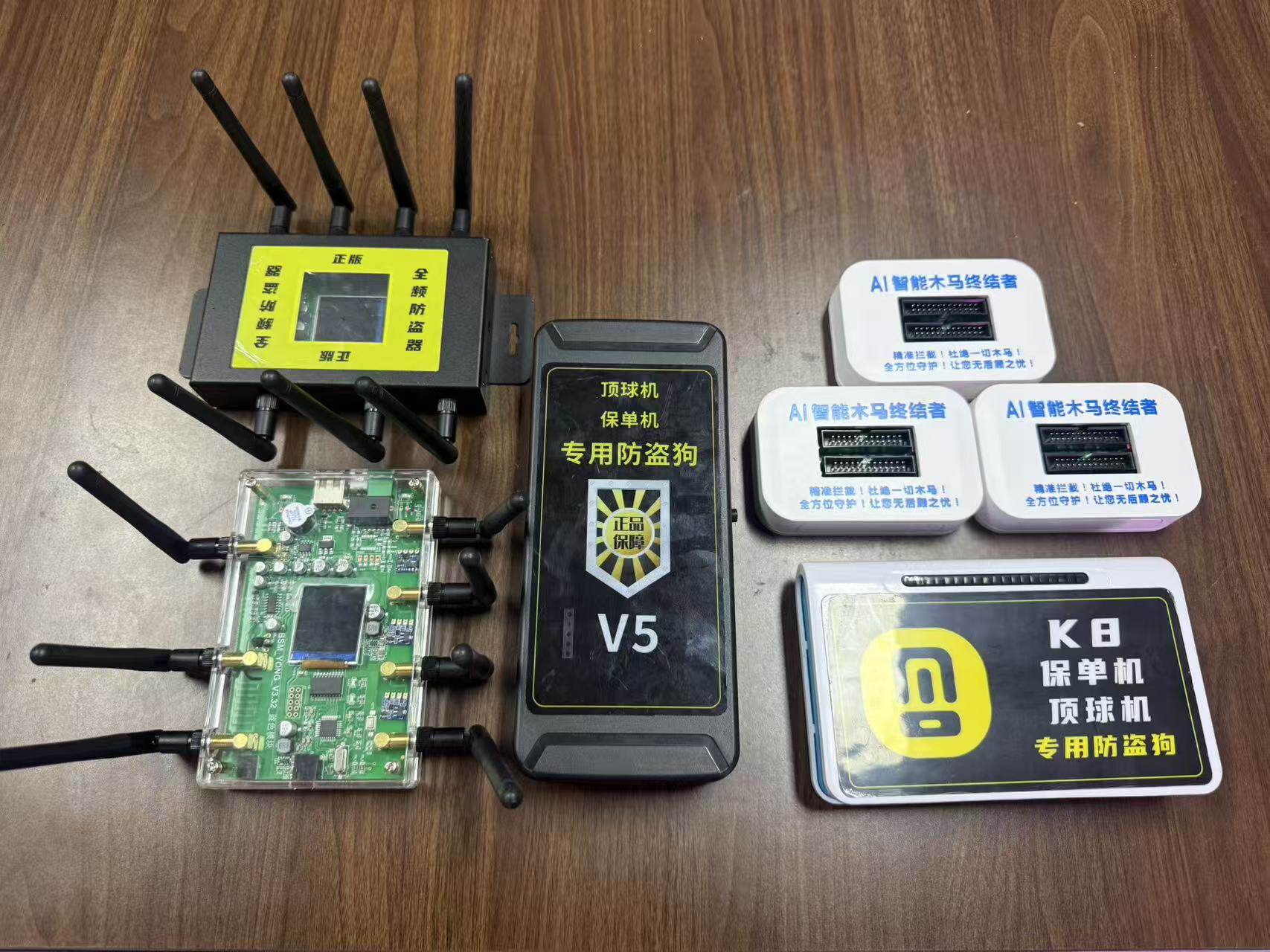
From a component engineering standpoint, industrial blockers utilize automotive-grade microcontrollers, flame-retardant FR-4 PCB substrates, and certified TVS diode arrays rated for over 50,000 operating hours of continuous duty under demanding electrical conditions.
Calculating ROI for an 8-player commercial fish table demonstrates compelling financial returns. If an unprotected table loses an average of $300 weekly to subtle sparker cheating, a $90 industrial anti-cheat unit pays for itself in less than 3 days.
Component Cost Breakdown of Industrial Grade Anti-Cheat Hardware
| Hardware Tier | Unit Price Range | Detection Technology | Response Latency | Expected Lifespan | Recommended Venue Type |
|---|---|---|---|---|---|
| Budget Analog Buzzer | $15 – $25 | Basic Coaxial Coil | > 250ms (Slow) | 6 – 12 Months | Low-stakes small redemption games |
| Mid-Range Watchdog | $45 – $65 | TVS + Pulse Analyzer | 30ms – 50ms | 2 – 3 Years | Single-player standalone cabinets |
| Industrial Dual-Band | $75 – $95 | Dual RF + Optoisolation | < 10ms (Real-time) | 5+ Years (MTBF 50kh) | Commercial fish tables & skill slots |
| Enterprise Multi-Machine | $120 – $160 | AI Signature + Networked | < 5ms + Cloud SOP | 7+ Years Industrial | Multi-location arcade chains & parlors |
For route operators managing 50 or more machines across gas stations and convenience stores, volume wholesale purchasing directly from manufacturers reduces per-unit costs by 30% to 45%, maximizing profit margins across the entire cabinet fleet.
In addition to direct capital costs, operators must factor in installation overhead. Modular plug-and-play JAMMA wiring harnesses enable in-house technicians to equip a machine in under 15 minutes, avoiding expensive third-party contractor fees.
Return on Investment Calculation for Game Rooms and Route Operators
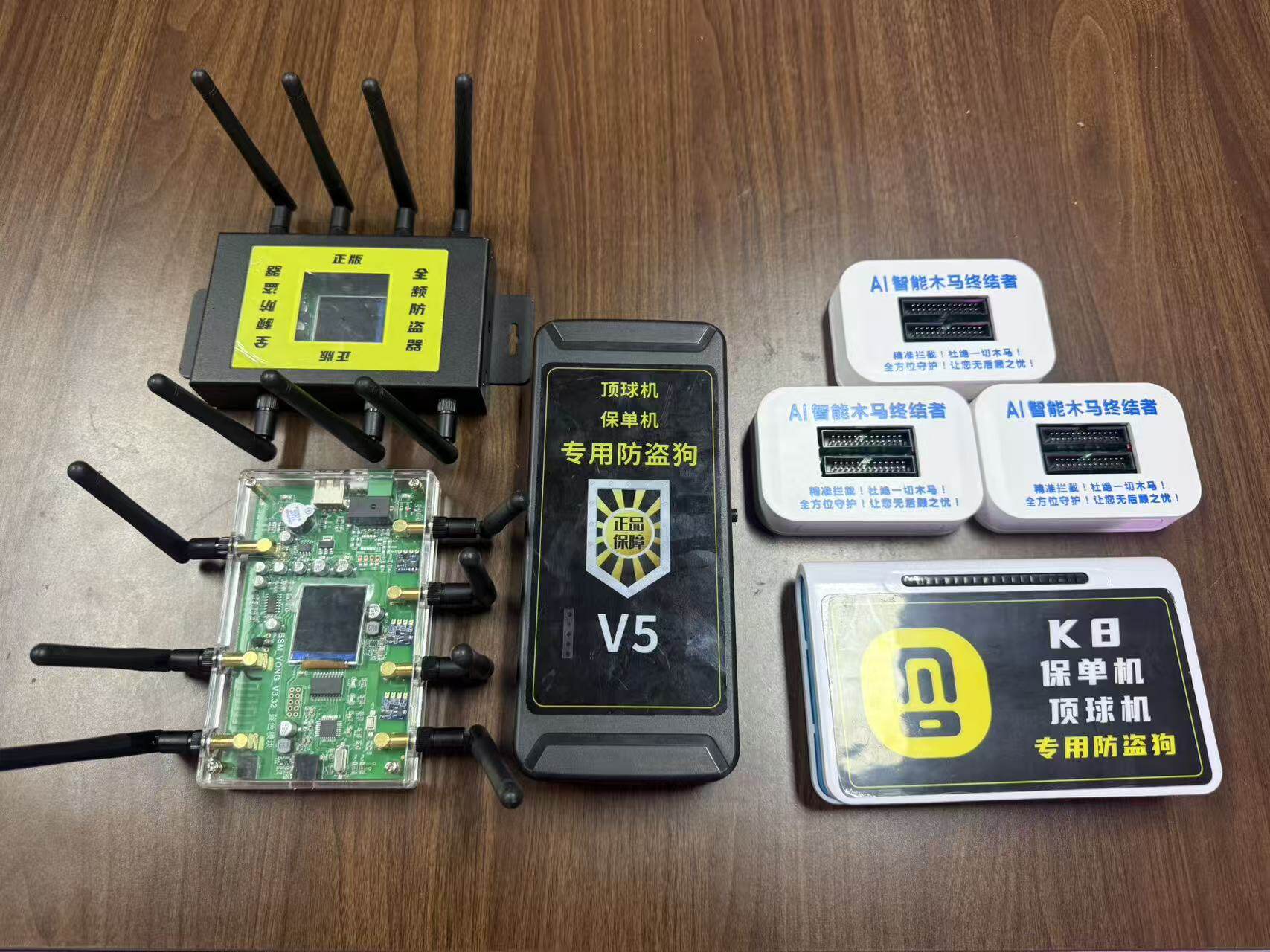
Long-term durability considerations also favor industrial units. Lower-tier boards frequently suffer capacitor breakdown within 6 months, while commercial-grade units operate reliably for 5+ years without recalibration or component replacement.
Evaluating anti-cheat equipment through total cost of ownership and revenue protection confirms that investing in certified hardware is the most cost-effective decision an arcade operator can make.
Wholesale Procurement Strategies and Volume Discount Thresholds
Long-term durability considerations also favor industrial units. Lower-tier boards frequently suffer capacitor breakdown within 6 months, while commercial-grade units operate reliably for 5+ years without recalibration or component replacement.
Evaluating anti-cheat equipment through total cost of ownership and revenue protection confirms that investing in certified hardware is the most cost-effective decision an arcade operator can make.
Related Defense Systems and Anti-Cheat Resources
- blocker vs watchdog hardware comparison — Analyzing architectural trade-offs between dedicated blockers and multi-threat watchdogs.
- wholesale anti-cheat bulk pricing — Manufacturer volume discounts and chain rollout procurement guidelines.
- K9 vs K10 alarm board testing — Performance benchmarks between entry-level and commercial alarm units.