- Major Electronic Attack Vectors Threatening Commercial Gaming Cabinets
- Anatomy of Industrial EMP Jammer and Sparker Suppression
- AI Trojan Code Detection and Firmware Integrity Verification
- Securing Bill Acceptor and Coin Hopper Pulse Lines
- Multi-Cabinet Venue Standard Operating Procedures and Daily Cash Audit
- Electrical Specifications and Industrial Durability Standards
- Commercial Implementation and Engineering Support
For commercial game room operators and route distributors, unexplained cash box shortages and sudden payout surges are rarely bad luck. Modern electronic theft has evolved far beyond physical lock-picking into sophisticated high-frequency EMP attacks, rogue microcontroller taps, and Trojan-injected game board firmware. A single bad actor with a concealed sparker or frequency jammer can siphon thousands of dollars from a 10-player fish table or multi-game slot cabinet in minutes without leaving visible physical damage. Protecting bottom-line profitability demands an industrial-grade hardware defense perimeter that detects anomalous pulse injections, isolates electromagnetic surges in sub-10-millisecond windows, and enforces strict firmware integrity across your entire venue floor.
Investing in dedicated anti-cheat security hardware yields an immediate break-even return on investment. For high-earning venues generating \$5,000 to \$20,000 per cabinet weekly, preventing just one coordinated cheating attack covers the hardware cost across an entire 10-cabinet bank. This technical playbook examines the engineering mechanics of modern cheating tools and outlines the multi-layered physical, firmware, and protocol countermeasures required to safeguard commercial gaming revenue. For a comprehensive architectural overview and turnkey procurement frameworks, review our master guide on AI Trojan Terminator and RF defense systems. For factory-direct procurement and comprehensive engineering specs, consult our master guide on arcade machine anti-cheat hardware architecture.
Major Electronic Attack Vectors Threatening Commercial Gaming Cabinets
Understanding the threat landscape is the first step in engineering an effective venue defense strategy. Electronic cheating tools generally target three distinct hardware layers within standard arcade and gaming machines. To explore detailed technical specifications and deployment considerations, see our operational guide on 300-1200MHz RF Spectrum Scanning and Wireless Cheat. To explore detailed technical specifications and deployment considerations, see our operational guide on GPS and Signal-Spoofing Cheats on Result Machines. To explore detailed technical specifications and deployment considerations, see our operational guide on How to Stop Wire-Tap Cheating in Top. To explore detailed technical specifications and deployment considerations, see our operational guide on Privacy Policy. To explore detailed technical specifications and deployment considerations, see our operational guide on Anti Data Leak Device V5 K8. To explore detailed technical specifications and deployment considerations, see our operational guide on AI Anti-Trojan System for Arcade Machines. To explore detailed technical specifications and deployment considerations, see our operational guide on AI Anti-Trojan System for Arcade 038 Gambling Machines. To explore detailed technical specifications and deployment considerations, see our operational guide on Anti-Cheat Device for Arcade Machines Stop Score. To explore detailed technical specifications and deployment considerations, see our operational guide on Contact Arcade Anti-Cheat Engineer Wang. To explore detailed technical specifications and deployment considerations, see our operational guide on Anti-Cheat Portfolio. To explore detailed technical specifications and deployment considerations, see our operational guide on Stop Revenue Loss in Gaming Machines At. For multi-stage clamping circuits protecting bill validators and coin hoppers, consult our guide on unattended route EMP jammer protection devices. For comprehensive circuit layout rules and transient TVS diode placement, review our PCB hardening circuit schematics against EMP slot jammers. For automated lockout mechanisms triggered by irregular button microswitch timings, read our real-time arcade mathematical anomaly detection systems. To protect sensitive bill acceptors against high-voltage ESD and spark attacks, see our wholesale EMP transient clamping modules for commercial arcades. For real-time SMS alerts triggered by unauthorized cabinet door openings, review our commercial arcade physical tamper detection engineering. For wholesale pricing tiers and bulk deployment strategies across North America, review our industrial surge suppression modules for arcade game defense.
1. High-Voltage Electromagnetic Pulse (EMP) and Sparker Attacks
Perpetrators utilize compact, battery-powered piezoelectric sparkers or high-frequency EMP emitters concealed in cigarette packs, key fobs, or phone cases. When activated near the cabinet coin slot, bill acceptor bezel, or metal trim, the device releases a localized burst of high-voltage radio frequency energy. This electromagnetic shock induces transient voltage spikes into unshielded low-voltage data cables, causing the machine’s credit counter microcontroller to register fake coin or bill pulses.
2. Pulse Line Interception and Card-Head Wire Taps
In multi-game cabinets and coin pushers utilizing standard pulse protocols, bad actors tap physical wires between the bill validator (ICT, PTI, MEI) and the main PCB. By splicing miniature remote-controlled relay modules or parasitic microchips directly onto the pulse or credit lines, cheaters can inject arbitrary credit pulses from up to 50 feet away using wireless RF remotes or Bluetooth-paired mobile applications.
3. Trojan Code Injection and Game Board Firmware Tampering
Rogue route technicians or dishonest players with brief physical access to unsealed machine cabinets can substitute game EPROMs or inject malicious secondary bootloaders into PC-based game mainboards. These firmware Trojans alter the core mathematical return-to-player (RTP) algorithms, triggering guaranteed payout states or forced jackpot sequences when specific hidden button combinations are pressed during standard gameplay.| Attack Vector | Target Subsystem | Attacker Methodology | Financial Impact Severity |
|---|---|---|---|
| EMP Jammer / Sparker | Bill validator bezel & coin hopper | High-frequency electromagnetic pulse | Critical (Instant fraudulent credits) |
| Pulse Line Wire-Tap | Low-voltage credit harness | Parasitic remote-controlled relay | High (Undetected continuous point theft) |
| Trojan ROM Modification | Mainboard firmware & bootloader | Unofficial EPROM or flash override | Catastrophic (RTP manipulation & forced payouts) |
| Mechanical Yo-Yo / Stringing | Coin acceptor optical sensors | Attached filament or magnetic foil | Moderate (Coin balance discrepancies) |
Anatomy of Industrial EMP Jammer and Sparker Suppression
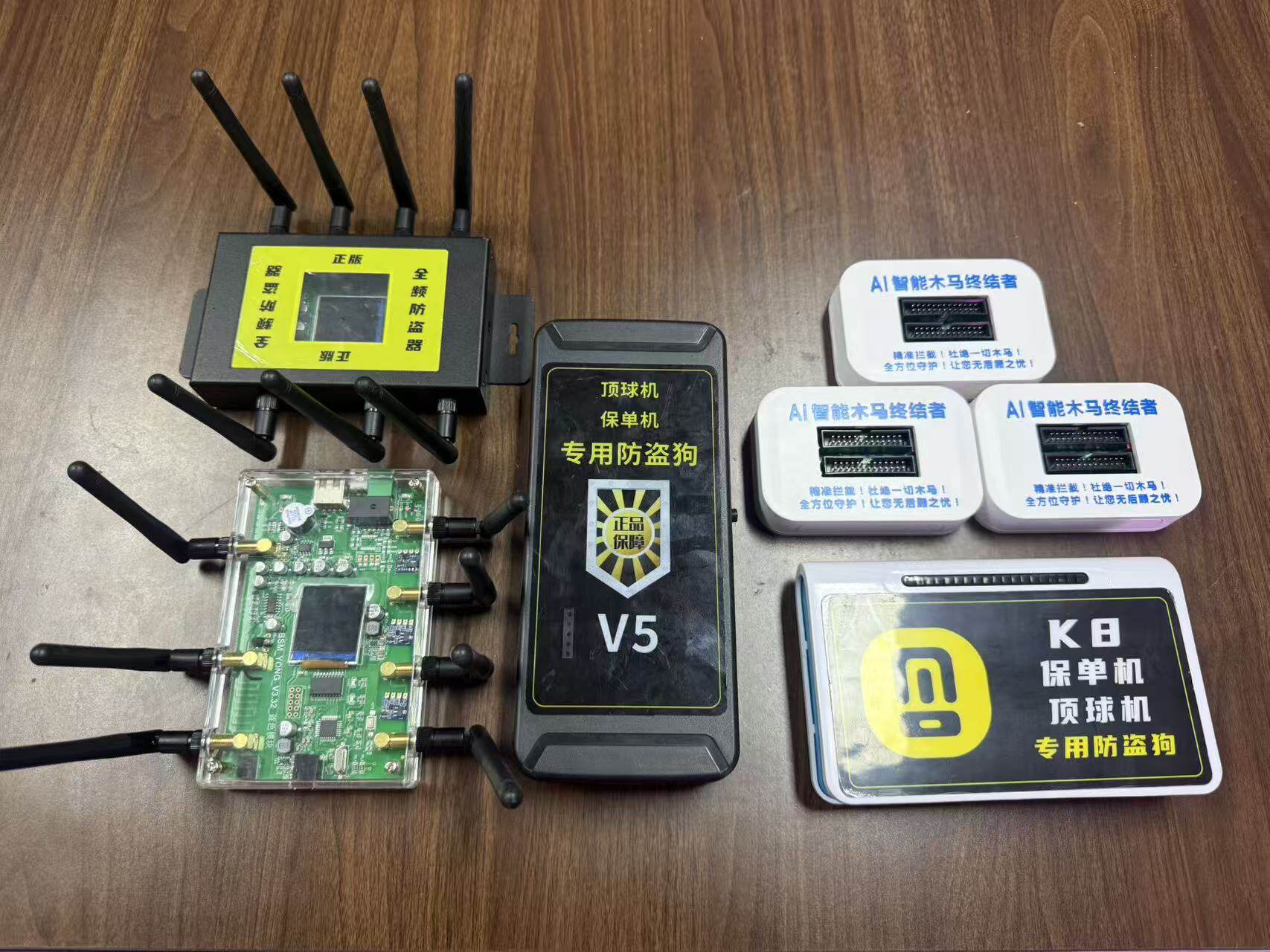
Generic arcade cabinets rely on plastic bezels and unshielded ribbon cables that act as receiving antennas for high-frequency interference. Industrial anti-cheat defense units incorporate multi-stage surge suppression and active inductive sensing to neutralize electromagnetic interference before it reaches the mainboard.
text
[ External EMP / Spark Attack ]
              │
              ▼
  ┌─────────────────────────┐
  │ High-Permeability Coil  │ ──► Sub-1ms Transient Energy Absorption
  └───────────┬─────────────┘
              ▼
  ┌─────────────────────────┐
  │ Bidirectional TVS Diode │ ──► Clamps Voltage Spikes to <5.0V Logic Level
  └───────────┬─────────────┘
              ▼
  ┌─────────────────────────┐
  │ Hardware Watchdog Relay │ ──► Instantly Opens Credit Line (<10ms) & Triggers Alarm
  └─────────────────────────┘
The frontline defense consists of a toroidal ferrite choke and bidirectional transient voltage suppressor (TVS) diodes placed inline between the external harnesses and internal logic circuits. When an EMP pulse strikes, the inductive sensor detects the abnormal rise time (\(dV/dt\)) within 1 microsecond and diverts the surge directly to the cabinet chassis ground.
Simultaneously, an internal hardware watchdog detects the RF carrier frequency and immediately opens the credit relay. By physically severing the data path for 500 milliseconds during and immediately after the RF discharge, the system ensures that no spurious voltage pulses are interpreted as valid currency inputs. The watchdog then logs the event with timestamped millisecond accuracy and sounds an onboard 95dB piezo siren to alert floor supervisors.
AI Trojan Code Detection and Firmware Integrity Verification
While external surge suppression prevents physical signal injection, internal security modules protect against software-level tampering on fish tables and multi-game systems.
Advanced anti-cheat watchdogs connect inline via standard JAMMA or USB interfaces to monitor the bi-directional communication bus between peripheral controller boards and the core game processor. An embedded cryptographic microchip computes continuous cyclic redundancy checks (CRC32) and SHA-256 hash digests on all executable game memory sectors during runtime.
If an unauthorized memory modification, altered paytable, or secondary Trojan subroutine is detected: 1. The security watchdog immediately halts peripheral I/O transmission to prevent payout hopper activation. 2. The game screen displays a tamper alert lockout code. 3. An encrypted event flag is written to non-volatile EEPROM that cannot be cleared by power-cycling the machine.
This level of hardware-enforced integrity verification guarantees that certified 85% to 98% mathematical RTP payout curves remain strictly uncompromised.
Securing Bill Acceptor and Coin Hopper Pulse Lines
Standard ICT, PTI, CashCode, and MEI bill validators output digital pulse trains where each pulse represents a fixed currency denomination (e.g., 1 pulse = \$1, 5 pulses = \$5). The critical vulnerability lies in the fact that unshielded pulse lines cannot distinguish between a pulse generated by a genuine bill validator and one generated by an external pulse generator.
Industrial anti-cheat modules resolve this vulnerability through intelligent waveform validation:
- Pulse Width & Duty Cycle Verification: Authentic bill validators output square waves with tightly defined high and low durations (typically 50ms high, 50ms low ± 2ms). The security module continuously analyzes incoming pulse duty cycles. Any pulse train exhibiting jitter, abnormal frequencies, or microsecond rise times is instantly rejected.
- Current Loop Impedance Monitoring: The module monitors loop resistance across the credit harness. If a spliced wire, vampire clip, or secondary micro-relay is attached to the harness, the resulting change in line impedance triggers an immediate line-tamper lockout.
- Optical Isolators: All pulse signals pass through high-speed optocouplers providing 2,500V RMS galvanic isolation, preventing external ground loops and electrical shock injection.
Multi-Cabinet Venue Standard Operating Procedures and Daily Cash Audit
Hardware protection units are most effective when paired with structured venue standard operating procedures. Implementing rigorous daily reconciliation protocols enables venue operators to identify potential tampering before substantial revenue is lost.
Daily Audit Checklist
1. Coin-In vs. Bill Validator Stacker Count: Compare the software meter readings recorded by the master game board with the physical cash counted in the bill stacker box. The variance must remain strictly below 0.5%. 2. Payout Percentage Variance Tracking: If a specific cabinet shows a payout ratio exceeding the configured RTP by more than 3% over a 24-hour rolling window, pull the machine offline immediately for inspection. 3. Physical Harness Inspection: Check security tamper-evident seals on bill validator harnesses, JAMMA finger connectors, and watchdog enclosures during morning floor setup. 4. Alarm Log Export: Review timestamped alarm logs stored in the anti-cheat watchdog EEPROM to correlate triggered alerts with floor surveillance video.Electrical Specifications and Industrial Durability Standards
Commercial game rooms operate in demanding electrical environments characterized by heavy inductive loads, continuous air conditioning cycling, and 18 to 24-hour daily duty cycles. Security modules must meet rigorous industrial engineering standards to prevent false positives and maintain uninterrupted venue uptime.
| Technical Parameter | Specification Value | Operational Benefit for Operators |
|---|---|---|
| Operating Input Voltage | 110V / 220V AC (Auto-switching 85V–264V) | Universal worldwide compatibility without step-down transformers |
| Maximum Power Draw | < 4.8W Standby / 8.5W Active Alarm | Negligible operating cost on heavy multi-cabinet banks |
| RF Suppression Band | 100 kHz – 6.0 GHz (Covers 2.4G/5.8G & Sparkers) | Complete electromagnetic coverage against consumer & custom jammers |
| Response Latency | < 10 milliseconds | Sub-cycle relay trip before credit counter can register pulse |
| Mean Time Between Failures | > 50,000 Hours Continuous Duty | Over 5.7 years of reliable 24/7 commercial operation |
| Enclosure Construction | High-impact flame-retardant ABS (UL94-V0) | Heat resistant, vibration isolated, and shockproof inside cabinets |
| Regulatory Compliance | FCC Part 15 Class B, CE Marking, RoHS | Safe for commercial venues and insurance compliance |
Commercial Implementation and Engineering Support
Implementing industrial anti-cheat defense restores complete revenue integrity across your gaming operation. Our Guangzhou manufacturing facility provides factory-direct security modules, pre-wired plug-and-play harnesses, and turnkey custom hardware integration for worldwide distributors and arcade chains.
Whether retrofitting existing multi-game cabinets or integrating security modules into new factory builds, our technical engineering team provides full schematic documentation, wiring pinouts, and volume wholesale pricing.