- The Commercial and Reputation Cost of Frequent False Alarms in Arcades
- Sources of Ambient Electromagnetic Noise in Commercial Game Rooms
- Multi-Stage Digital Filtering and Waveform Fingerprinting Technology
- Threshold Tuning and Adaptive Sensitivity Calibration Protocols
- Venue SOP for Investigating and Clearing Nuisance Alarm Events
- Related Defense Systems and Anti-Cheat Resources
In commercial amusement and skill-gaming venues, customer experience is paramount. When an overly sensitive security alarm repeatedly triggers on honest players—sounding sirens and freezing games simply because a patron received a text message—the results are disastrous: angry customers, demoralized staff, and lost revenue. Upgrading to industrial arcade anti-cheat defense systems with intelligent digital signal processing (DSP) eliminates nuisance false alarms while maintaining uncompromising protection against real attacks.
Commercial game rooms are electrically noisy environments. Mobile phones transmitting cellular and Wi-Fi packets, electronic bill validator motors, fluorescent lighting ballasts, and adjacent prize machines generate a constant baseline of electromagnetic radiation. For a comprehensive architectural overview and turnkey procurement frameworks, review our master guide on commercial arcade loss prevention guide.
The Commercial and Reputation Cost of Frequent False Alarms in Arcades
Legacy analog alarm boards utilize basic inductor coils that lack frequency and energy discrimination. Whenever cumulative ambient noise crosses a crude voltage threshold, the board trips, sounding a high-decibel alarm even though no cheating occurred.
Frequent false alarms lead to ‘alarm fatigue,’ prompting frustrated attendants to turn down board sensitivity or disconnect alarm buzzers entirely—leaving cabinets wide open to actual attackers.
Sources of Ambient Electromagnetic Noise in Commercial Game Rooms
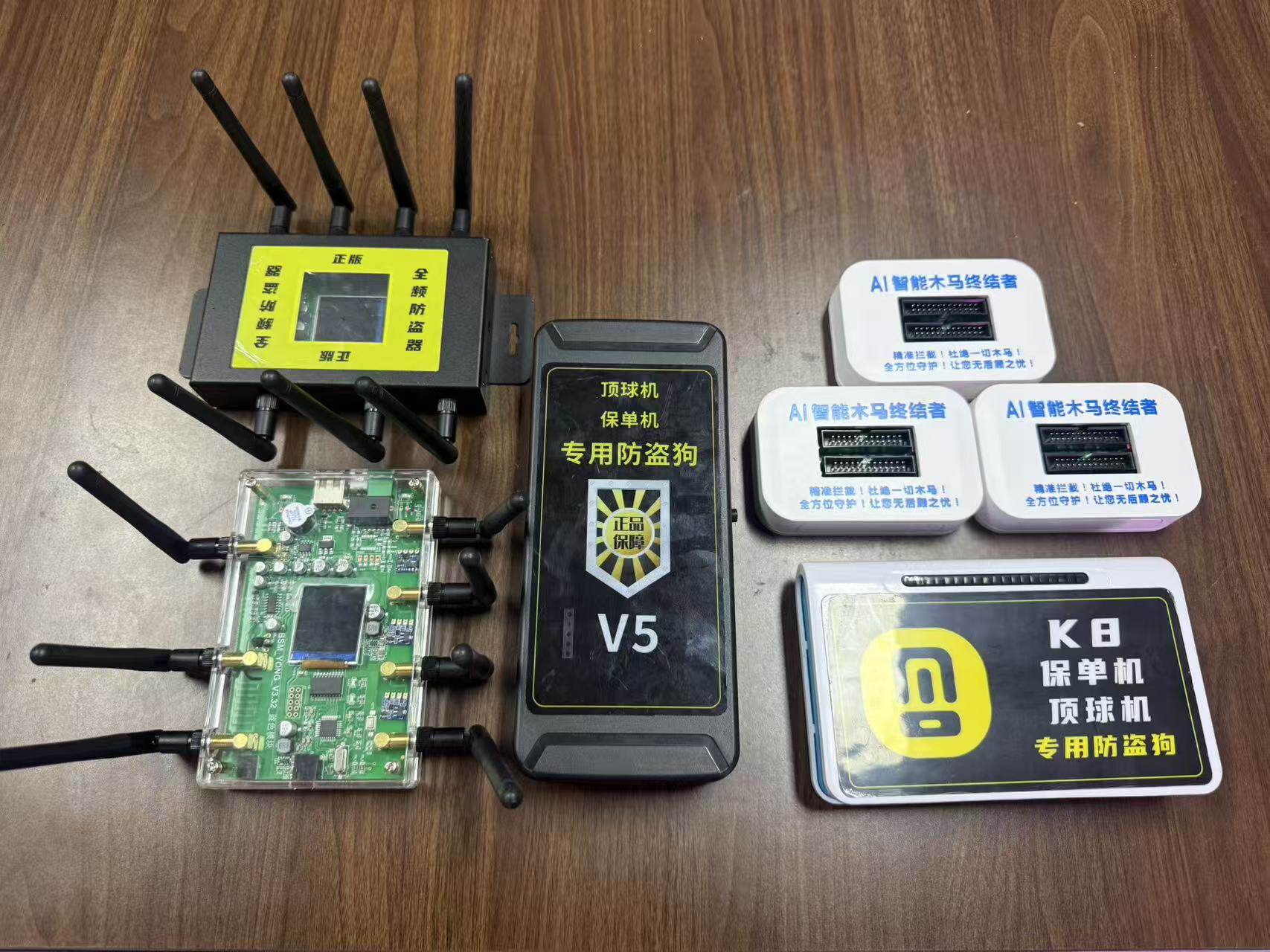
Modern industrial anti-cheat modules solve this problem through multi-stage digital signal discrimination. Instead of simple voltage thresholding, an onboard 32-bit DSP computes the mathematical derivative of incoming wave pulses (dV/dt).
Legitimate radio signals from 5G smartphones and Wi-Fi transmitters exhibit relatively slow pulse rise times and low peak energy densities that the DSP easily filters out.
Multi-Stage Digital Filtering and Waveform Fingerprinting Technology
| Ambient Noise Source | Frequency & Signal Characteristics | Legacy Analog Board Reaction | Digital Anti-Cheat DSP Reaction | False Positive Outcome |
|---|---|---|---|---|
| 5G Smartphone Handshake | 800 MHz – 3.5 GHz (Modulated Packet) | Triggers false siren alarm | Identifies low energy density & ignores | 0% False Alarms (Silent) |
| Fluorescent Light Ballast | 50/60 Hz Hum + 40 kHz Switching | Continuous buzzing noise | High-pass digital filter suppresses noise | 0% False Alarms (Filtered) |
| Bill Validator Stepper Motor | PWM inductive switching spikes | Intermittent false credit trips | Opto-isolated line & snubbers clamp spikes | 0% False Alarms (Clean) |
| Actual EMP Sparker Burst | 10 – 900 MHz Nanosecond Rise-Time | Slow trip (>200ms) or missed | Instantaneous sub-10ms clamp & alarm | 100% True Positive Capture |
In contrast, high-voltage sparkers and EMP jammers produce explosive, nanosecond rise-time bursts carrying immense peak energy. The DSP identifies this distinct fingerprint in microseconds, clamping the transient and locking the credit line with zero false triggers.
Industrial units also feature intelligent adaptive noise canceling, continuously sampling the venue’s ambient electrical background to dynamically optimize detection thresholds without human intervention.
Threshold Tuning and Adaptive Sensitivity Calibration Protocols
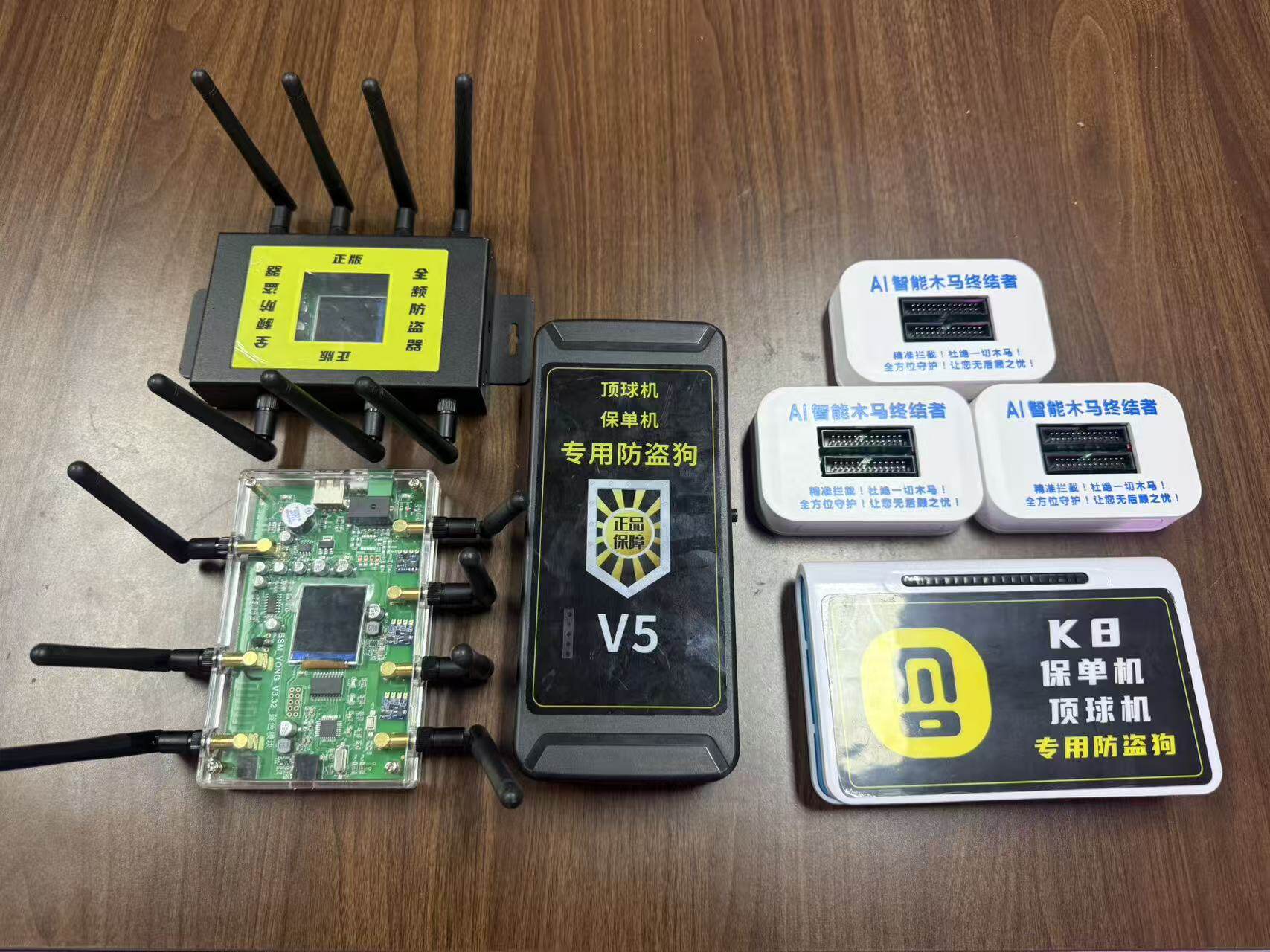
Managers should establish an SOP requiring staff to log any alarm event, noting the machine ID and inspecting surrounding equipment to ensure local grounding remains intact.
Deploying intelligent DSP-filtered anti-cheat hardware delivers true peace of mind, ensuring that honest players enjoy seamless entertainment while covert syndicates are stopped instantly.
Venue SOP for Investigating and Clearing Nuisance Alarm Events
Managers should establish an SOP requiring staff to log any alarm event, noting the machine ID and inspecting surrounding equipment to ensure local grounding remains intact.
Deploying intelligent DSP-filtered anti-cheat hardware delivers true peace of mind, ensuring that honest players enjoy seamless entertainment while covert syndicates are stopped instantly.
Related Defense Systems and Anti-Cheat Resources
- anti-cheat response time explained — Why sub-100ms detection latencies are critical to stopping electronic fraud.
- durability and component lifespan — Component-level engineering requirements for continuous commercial duty.
- decoding anti-cheat specifications — Understanding MTBF, IP ratings, power draw, and surge specs.