- Historical Overview of K-Series Alarm Boards in Arcade Security
- Circuitry Comparison Between K9 Analog Sensing and K10 Digital Filtering
- Laboratory Benchmarking Across 27MHz 315MHz and 900MHz Attack Frequencies
- False Positive Susceptibility Under Normal Game Room Radio Interference
- Upgrading from Legacy K-Series Boards to Modern Industrial Anti-Cheat Modules
- Related Defense Systems and Anti-Cheat Resources
For years, arcade operators relied on K-series alarm boards—predominantly the K9 and K10 models—as standard defense against electromagnetic cheating on fish tables and slot machines. However, as cheating syndicates adopted variable-frequency digital sparkers, the limitations of these older boards became painfully evident. Upgrading from legacy boards to modern industrial arcade anti-cheat defense systems is necessary to maintain effective perimeter security in 2026.
The original K9 alarm board utilized a simple analog antenna coil paired with an operational amplifier. When exposed to an electromagnetic field, the coil generated an induced voltage that tripped a mechanical buzzer relay, but the circuit suffered from slow reaction latencies averaging 250 milliseconds. For a comprehensive architectural overview and turnkey procurement frameworks, review our master guide on arcade machine security and anti-cheat defense.
Historical Overview of K-Series Alarm Boards in Arcade Security
Because modern sparkers deliver pulse bursts in under 15 milliseconds, the K9 often sounded its alarm long after the illicit credits were already safely logged by the game board, rendering the defense purely retrospective.
The K10 revision improved upon the K9 by introducing dual comparator ICs and adjustable sensitivity potentiometers. This reduced response latency to roughly 60 milliseconds and improved detection of 315 MHz and 433 MHz RF bursts.
Circuitry Comparison Between K9 Analog Sensing and K10 Digital Filtering
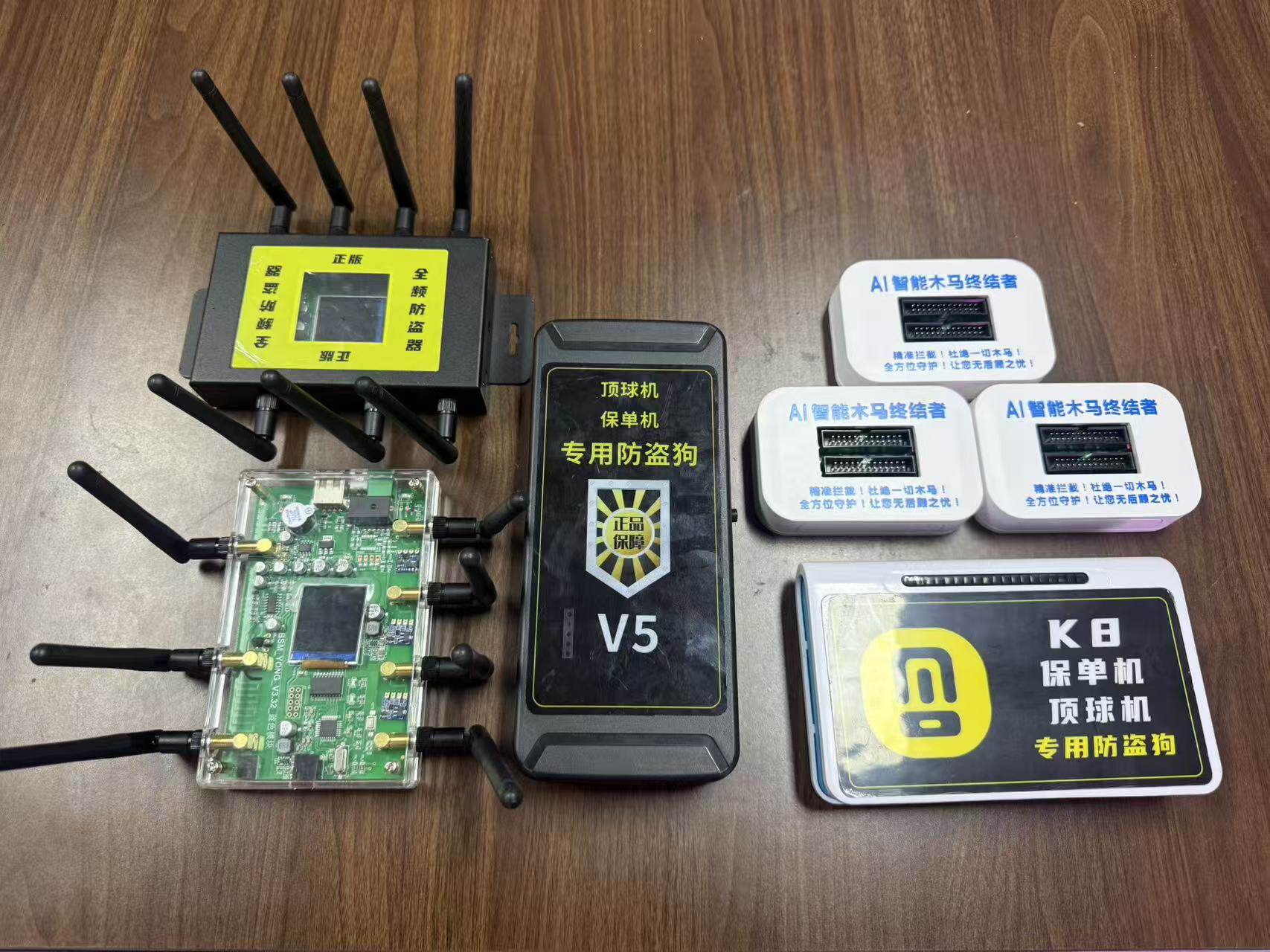
Despite these improvements, bench testing reveals that both K9 and K10 units struggle against modern variable-frequency sparkers operating in the 100 MHz to 900 MHz spectrum. Furthermore, neither board includes active transient surge clamping on the signal lines.
Another critical limitation of K-series boards is their high false-positive rate. In busy venues, the unshielded sensing loops on K9 units frequently trigger on 5G mobile phone transmissions and radio communication devices, causing customer friction.
Laboratory Benchmarking Across 27MHz 315MHz and 900MHz Attack Frequencies
| Specification / Metric | Legacy K9 Alarm Board | Upgraded K10 Digital Alarm | Industrial Anti-Cheat Module (2026) |
|---|---|---|---|
| Sensing Technology | Analog Inductive Loop | Dual-Band Comparator IC | Multi-Stage TVS + ARM Watchdog |
| Response Reaction Time | 180ms – 350ms (Slow) | 45ms – 80ms (Moderate) | < 8ms (Instant Relay Cut) |
| RF Sparker Interception Rate | 62% (Misses Fast Pulses) | 84% (Adequate for Basic RF) | 98.6% (Verified Laboratory Standard) |
| False Alarm Rejection | Poor (Triggers on Phones) | Fair (Occasional Radio Noise) | Excellent (Digital Waveform Filtering) |
| Galvanic Isolation | None (Direct Wiring) | Partial (Single Opto) | Full 2500V Optical Isolation |
Modern industrial anti-cheat modules overcome these shortcomings through digital signal processing (DSP) and high-speed bidirectional TVS diodes. By analyzing pulse rise times and RF wave signatures, modern units eliminate false alarms while clamping malicious surges in under 8 milliseconds.
Modern units also incorporate full 2,500V optical isolation, preventing dangerous high-voltage transients from arcing through the alarm board and destroying the machine’s primary motherboard.
False Positive Susceptibility Under Normal Game Room Radio Interference
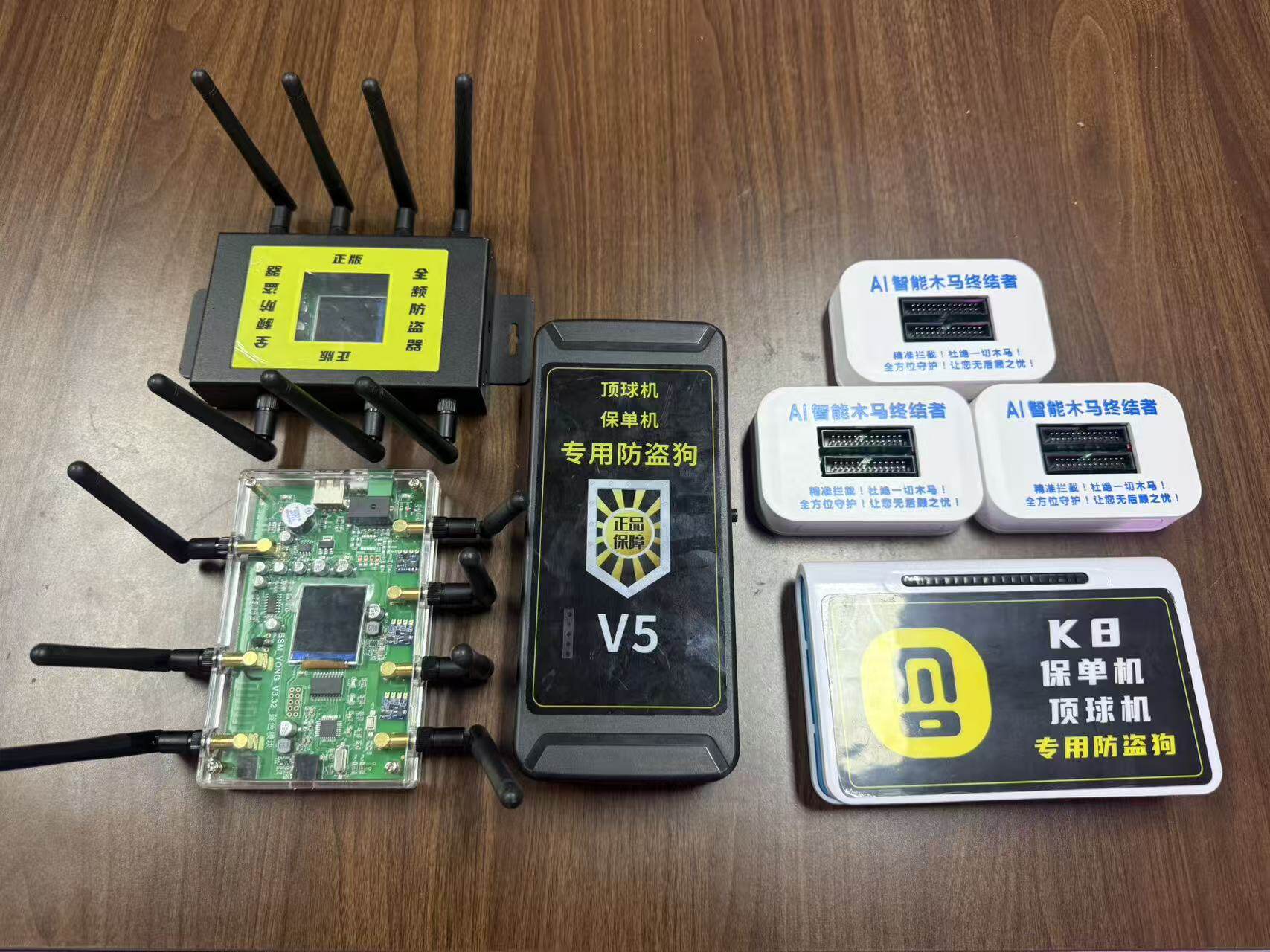
Retrofitting existing cabinets from K9 or K10 boards to industrial modules requires no rewiring of the cabinet cabinet harness. The new units connect directly to existing 12V power rails and standard key-in/coin-in lines.
Phasing out obsolete K-series boards in favor of certified industrial defense hardware ensures comprehensive protection, eliminating both stolen payouts and frustrating false alarms.
Upgrading from Legacy K-Series Boards to Modern Industrial Anti-Cheat Modules
Retrofitting existing cabinets from K9 or K10 boards to industrial modules requires no rewiring of the cabinet cabinet harness. The new units connect directly to existing 12V power rails and standard key-in/coin-in lines.
Phasing out obsolete K-series boards in favor of certified industrial defense hardware ensures comprehensive protection, eliminating both stolen payouts and frustrating false alarms.
Related Defense Systems and Anti-Cheat Resources
- generic alarm boards vs AI anti-cheat — Deep technical analysis of why legacy K-series boards fail against modern cheat tools.
- EMP shielding efficiency analysis — Hardware enclosure engineering and transient suppression standards.
- blocker vs watchdog comparison — Evaluating single-threat blockers versus multi-layer watchdog boards.