- Understanding Modern Arcade and Fish Table Tampering Methods
- Multi-Tier Hardware Defense and Transient Clamping Architecture
- Firmware Integrity Verification and AI Trojan Code Detection
- Securing Currency Acceptors and Preventing Pulse Injection
- Venue Operational Standard Operating Procedures and Daily Cash Auditing
- Comprehensive Defense Systems and Engineering Resources
Protecting commercial amusement arcades, skill-game routes, and casino gaming floors from electronic tampering is an urgent operational priority. Modern cheating syndicates deploy high-frequency EMP sparkers, spliced wire taps, and covert firmware Trojans that manipulate payout algorithms without physical intrusion. Installing certified industrial arcade machine security and anti-cheat defense systems provides complete hardware-level immunity, safeguarding venue revenue and ensuring mathematical fairness.
From high-stakes multi-player fish tables to standalone slot cabinets and coin pushers, unprotected machines suffer substantial revenue leakage before operators detect anomalies. Implementing active pulse filtering, multi-band RF suppression, and real-time checksum monitoring halts illicit payout extraction cold. For a comprehensive architectural overview and turnkey procurement frameworks, review our master guide on EMP jammer shielding and surge protection.
Understanding Modern Arcade and Fish Table Tampering Methods
Attackers exploit the physical and electronic characteristics of commercial game cabinets using three primary attack vectors: external electromagnetic pulse (EMP) discharge, inline signal injection on validator harnesses, and memory-bus firmware manipulation.
In an EMP attack, perpetrators rest modified smartphones or handheld sparkers against the cabinet glass or coin door. Discharging high-voltage pulses induces transient currents on unshielded wiring looms, forcing the game motherboard’s digital input pins to register fraudulent game credits.
Multi-Tier Hardware Defense and Transient Clamping Architecture
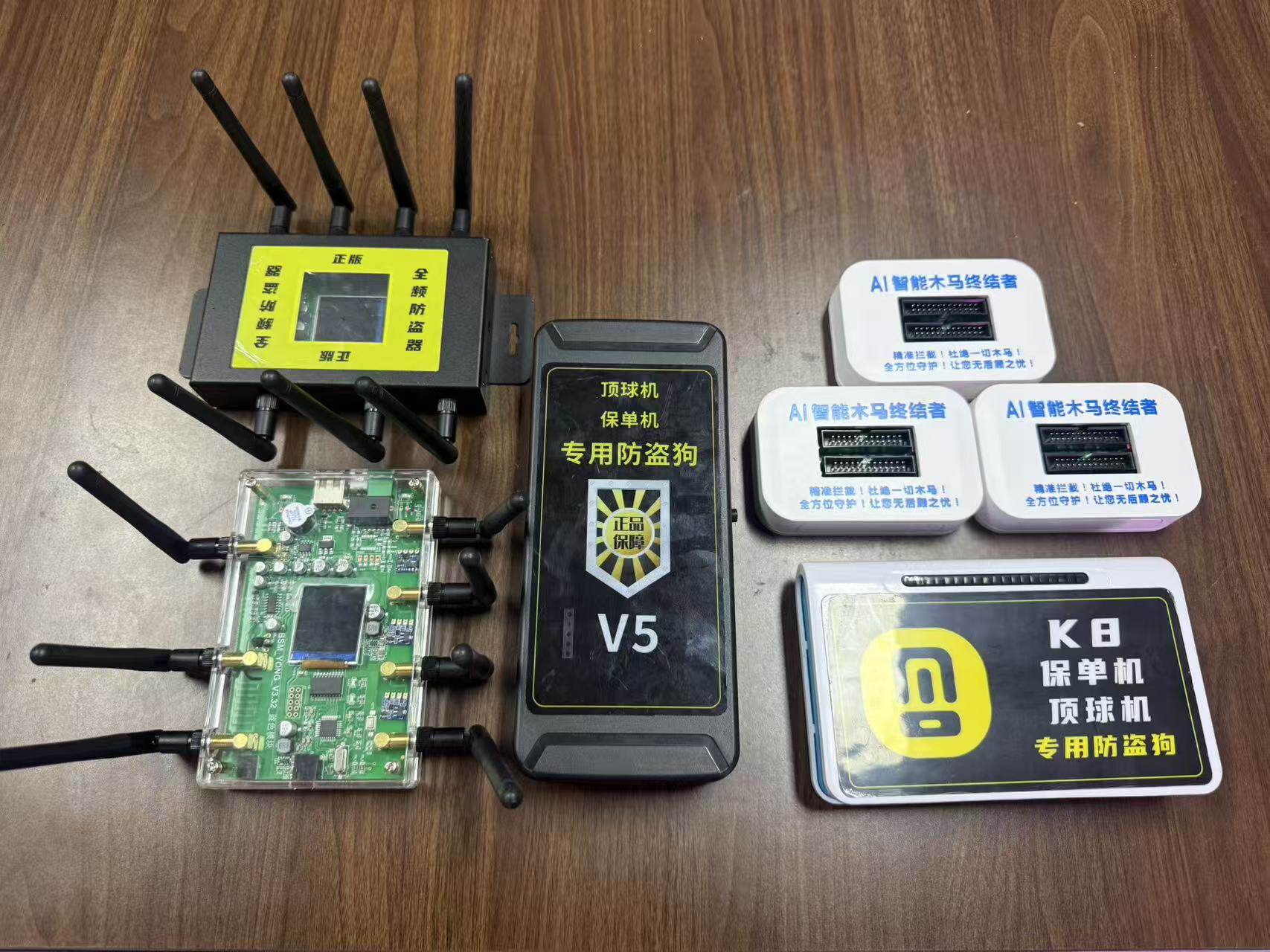
Industrial defense modules eliminate electromagnetic vulnerabilities through multi-stage physical protection. High-speed bidirectional TVS diodes absorb electrostatic discharges up to 15,000 volts in under 5 picoseconds, safely shunting high-energy transients to chassis ground.
Behind the transient suppression stage, 2,500V galvanic optical isolators break direct electrical conductivity between external player wiring and sensitive motherboard microcontrollers, guaranteeing zero cross-seat pulse bleed.
Firmware Integrity Verification and AI Trojan Code Detection
| Defense Layer | Monitored Parameter | Detection Latency | Isolation Level | Operational Protection |
|---|---|---|---|---|
| Transient Surge Clamp | High-Voltage EMP / Sparks | < 5 picoseconds | 15,000V Air ESD | Prevents logic pin burnout and reboot brownouts |
| Optical Pulse Isolator | Pulse Width & Duty Cycle | < 8 milliseconds | 2,500V RMS | Blocks synthetic square waves and wire taps |
| AI Bus Checksum | Memory ROM Checksums | < 1 millisecond | Real-Time Bus Sniff | Halts patched ROMs and RNG hijacking |
| RF Energy Sniffer | 315MHz / 433MHz / 2.4GHz | < 10 milliseconds | Wideband Digital DSP | Suppresses remote key fobs and smartwatches |
Beyond physical surges, sophisticated syndicates bribe technicians to install patched game EPROMs containing malicious subroutines. These firmware Trojans hook into the game’s Random Number Generator (RNG), forcing guaranteed jackpot payouts upon receiving covert button combinations.
Modern AI defense watchdogs verify active memory bus addresses in real time against authenticated factory SHA-256 signatures, cutting power to payout hoppers the instant unauthorized code execution is identified.
Securing Currency Acceptors and Preventing Pulse Injection
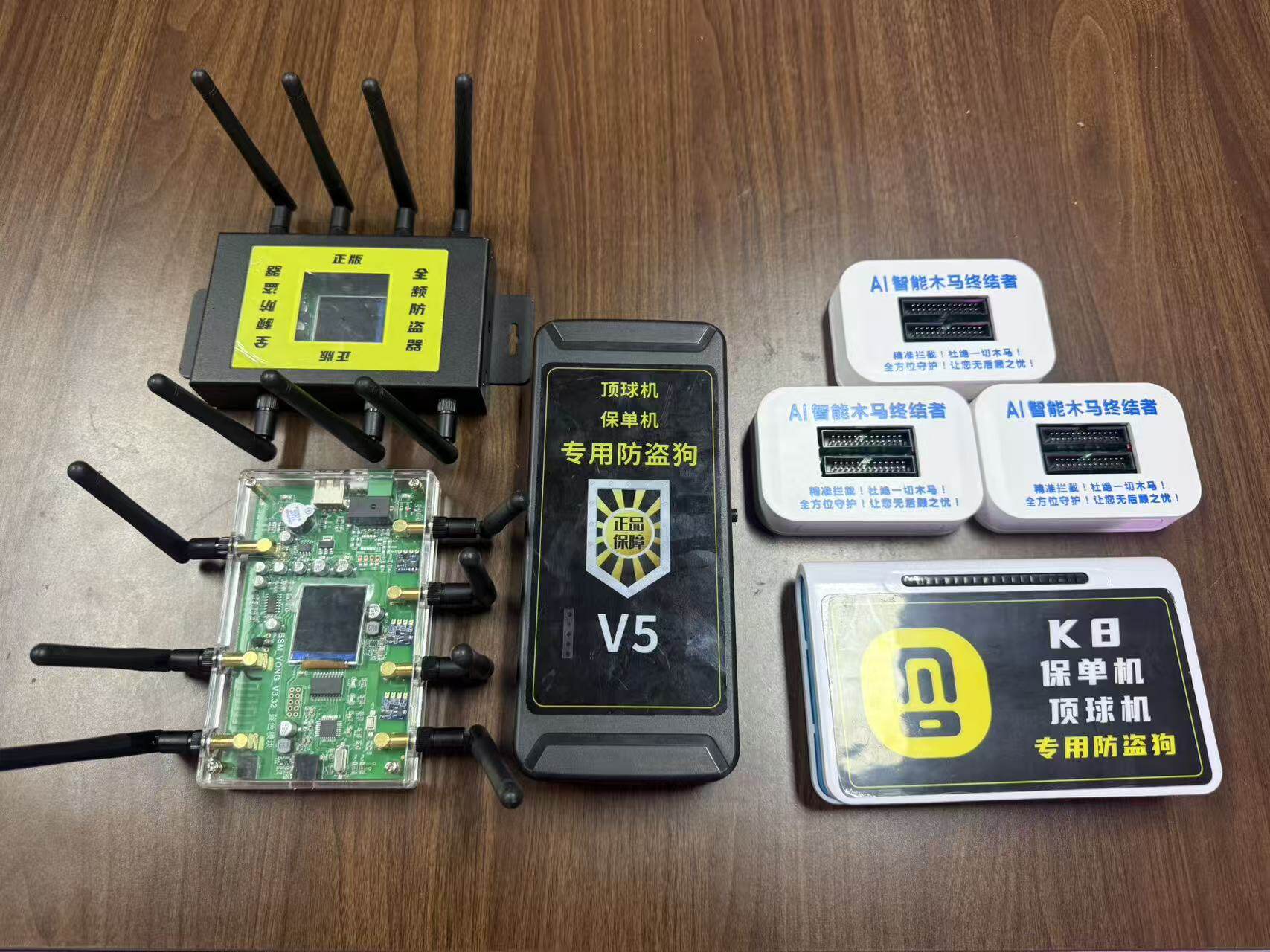
Bill validators and coin hoppers are prime targets for card-head slips and vampire wire taps. Placing an in-line pulse conditioning module between the validator and the game motherboard validates incoming square waves against calibrated factory duty cycles.
If an injected pulse deviates by more than ±5% from standard 50ms timing, the module discards the signal and triggers an autonomous cabinet lockout, ensuring no unbacked credits are registered.
Venue Operational Standard Operating Procedures and Daily Cash Auditing
Hardware defense is most effective when paired with disciplined operational procedures. Floor staff should enforce rules prohibiting patrons from resting smartphones flat on table glass and require manager verification on payouts exceeding $300.
Daily cashbox reconciliation comparing physical currency in bill stackers directly against software audit meters detects subtle anomalies within 24 hours, ensuring total financial transparency across your venue.
Comprehensive Defense Systems and Engineering Resources
- Industrial Arcade Machine Security and Anti-Cheat Defense Systems (Operator Defense Playbook) — The master cornerstone technical guide for gaming operators.
- Arcade Security Topic Cluster Archive — Complete library of 44 technical guides covering EMP suppression, AI Trojan detection, and validator fraud.
- About Our Manufacturing & Engineering Studio — Turnkey cabinet manufacturing, custom game development, and IoT solutions.
- Contact Our Engineering Team for Wholesale Quotes — Request evaluation samples and factory-direct volume pricing.