- Architecture of Firmware Level Trojan Payloads in Arcade Games
- Activation Vectors via Button Sequences and Hidden Key Remotes
- RNG Hijacking and Mathematical Return to Player Manipulation
- Hardware Level Checksum Validation and Real Time Bus Sniffing
- Forensic Verification Protocols for Identifying Compromised Game Chips
- Related Defense Systems and Anti-Cheat Resources
Trojan code exploits represent the most lucrative and dangerous form of fraud targeting commercial gaming machines. Unlike overt physical attacks, Trojan code is silent, stealthy, and virtually undetectable through standard visual inspections. Deploying industrial arcade anti-cheat defense systems equipped with hardware bus monitoring and cryptographic checksum verification is essential to protecting game mathematics against internal corruption.
An arcade Trojan consists of a malicious firmware routine injected directly into the machine’s executable code. When an arcade board boots up, the modified code executes alongside the legitimate game operating system, remaining dormant during routine play. For a comprehensive architectural overview and turnkey procurement frameworks, review our master guide on AI Trojan Terminator and RF defense systems.
Architecture of Firmware Level Trojan Payloads in Arcade Games
The Trojan contains an embedded trigger listener that constantly monitors player input registers. When a colluding player inputs a covert sequence—such as a specific rhythm of coin insertions and button presses—the Trojan awakens and executes its payout override.
Once triggered, the subroutine hooks into the game’s Random Number Generator (RNG) interrupt handler. Instead of calculating legitimate hit probabilities, the processor is forced to load predetermined high-multiplier prize tables, enabling the player to clear the machine’s cashbox in minutes.
Activation Vectors via Button Sequences and Hidden Key Remotes
Worse still, advanced Trojans rewrite internal accounting registers in real time. When the operator checks daily revenue logs, the machine falsely reports normal drop-to-payout ratios, concealing the theft for months.
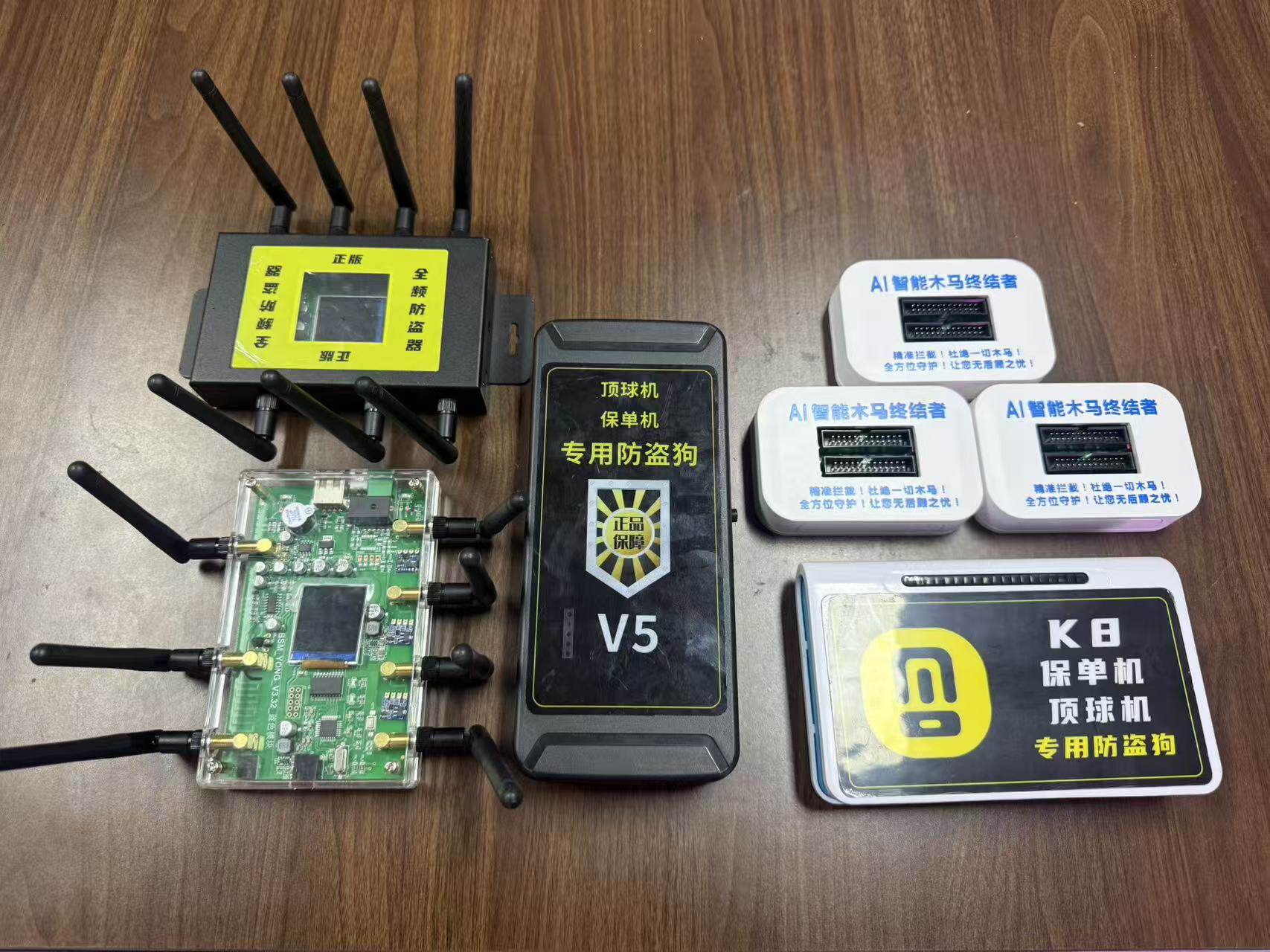
Hardware-level anti-cheat watchdogs eliminate this blind spot by operating independently of the game software. Connected directly to the mainboard bus lines, the watchdog performs continuous hardware-level checksum validation (CRC-32 and SHA-256) on all active ROM addresses.
RNG Hijacking and Mathematical Return to Player Manipulation
| Trojan Component | Technical Injection Method | Game Impact | Standard Audit Visibility | Hardware Watchdog Defense |
|---|---|---|---|---|
| Modified Bootloader | Patched EPROM / Flash ROM | Disables factory self-tests | Invisible to menu audits | Cryptographic ROM Checksum on Boot |
| RNG Hook Routine | Intercepted Timer Interrupt | Forces fixed high-value payout | Appears as natural win | Statistical Win-Rate Deviation Alert |
| Trigger Decoder | Parallel IO Bus Tap | Waits for stealth button combo | Zero log entries | Bus Logic & Keypad Timing Analyzer |
| Hidden RF Sub-board | Solder Bridge on Data Bus | Wireless activation via key fob | Hidden inside harness | RF Sniffer & Jammer Disconnect Relay |
If the watchdog detects unexpected code branching, altered interrupt vectors, or illegal memory access patterns, it immediately cuts power to the payout hopper and locks the cabinet into an error state.
Furthermore, the watchdog’s statistical analysis engine tracks payout frequency per seat. If any game station delivers payout frequencies exceeding theoretical variance thresholds by more than 4 standard deviations, the machine halts play and alerts management.
Hardware Level Checksum Validation and Real Time Bus Sniffing
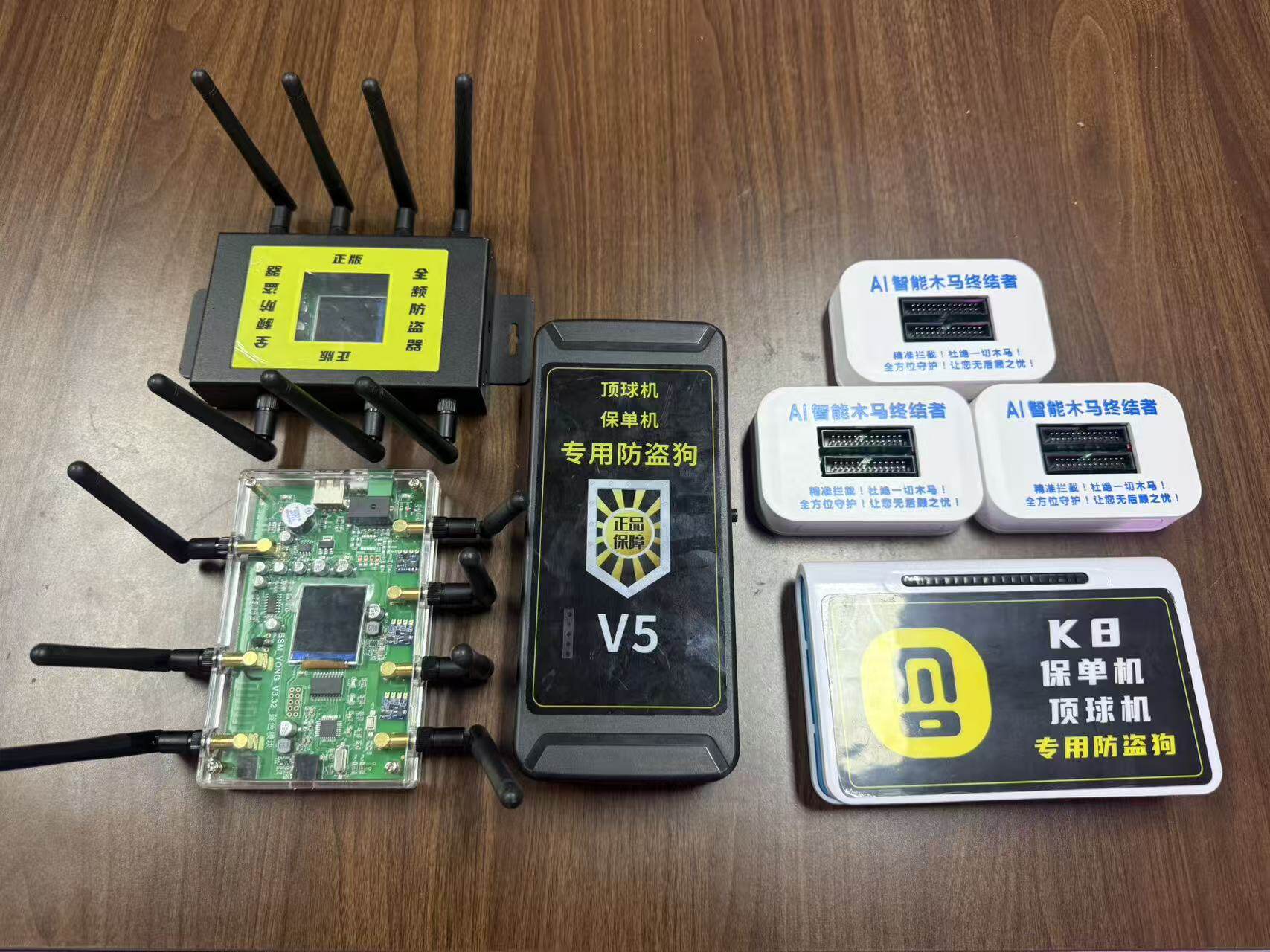
Operators suspecting Trojan tampering should immediately remove the suspect game board and verify its ROM checksums against verified factory master files using a dedicated EPROM programmer.
Securing your game boards with hardware-enforced code verification guarantees that only authentic, certified game mathematics govern your venue’s profitability.
Forensic Verification Protocols for Identifying Compromised Game Chips
Operators suspecting Trojan tampering should immediately remove the suspect game board and verify its ROM checksums against verified factory master files using a dedicated EPROM programmer.
Securing your game boards with hardware-enforced code verification guarantees that only authentic, certified game mathematics govern your venue’s profitability.
Related Defense Systems and Anti-Cheat Resources
- why operators switch to AI defense — Understanding why firmware threats require dedicated hardware security.
- devices stopping trojan code — Hardware solutions designed specifically to protect fish table game logic.
- AI anti-cheat hardware architecture — Real-time math model verification and bus monitoring.