- The Proliferation of Digital 2.4GHz and Bluetooth Low Energy Cheat Hardware
- How Mobile Applications Interface with Covert Motherboard Bluetooth Dongles
- Hardware-Level RF Jamming Detection and Spectrum Density Analysis
- Optical Signal Decoupling Protecting Logic Gates from High-Frequency Noise
- Staff Procedures for Conducting Wireless Spectrum Audits in Game Rooms
- Related Defense Systems and Anti-Cheat Resources
The transition from analog radio fobs to digital 2.4 GHz and Bluetooth Low Energy (BLE) attack tools represents a significant escalation in arcade cheating tactics. Syndicates now conceal micro-transceivers smaller than a coin inside cabinet wire harnesses, controlling them via custom Android and iOS applications. At the swipe of a smartphone screen, the hidden module injects credits or triggers payout overrides. Deploying industrial arcade anti-cheat defense systems with integrated 2.4 GHz spectrum monitoring and bus integrity auditing is essential to neutralizing digital wireless threats.
Modern BLE cheat modules utilize low-cost Nordic or ESP32 microcontrollers wired directly into the machine’s 12V DC power rail and credit input lines. Because Bluetooth operates on encrypted frequency-hopping spread spectrum (FHSS) channels, the transmission blends seamlessly with ordinary patron smartphone traffic. For a comprehensive architectural overview and turnkey procurement frameworks, review our master guide on commercial arcade loss prevention guide.
The Proliferation of Digital 2.4GHz and Bluetooth Low Energy Cheat Hardware
Using a covert mobile application, the attacker connects to the hidden module from up to 50 feet away, sending packetized commands that increment credits or trigger rapid-fire functions without physical contact.
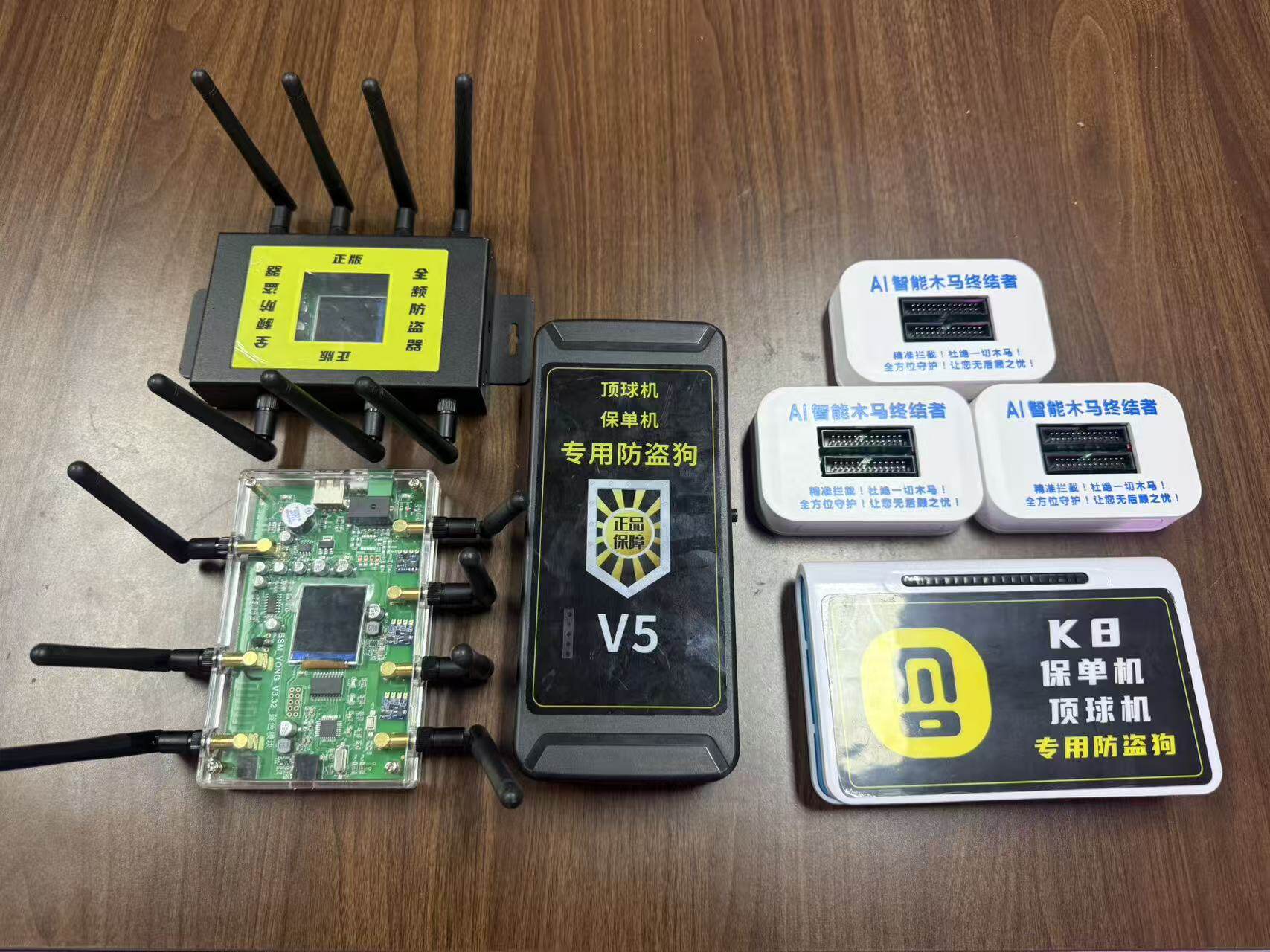
Defeating digital wireless exploits requires a multi-layered hardware defense. First, an industrial anti-cheat watchdog continuously monitors the internal DC power bus for unauthorized current draws and high-frequency switching noise typical of rogue microcontrollers.
How Mobile Applications Interface with Covert Motherboard Bluetooth Dongles
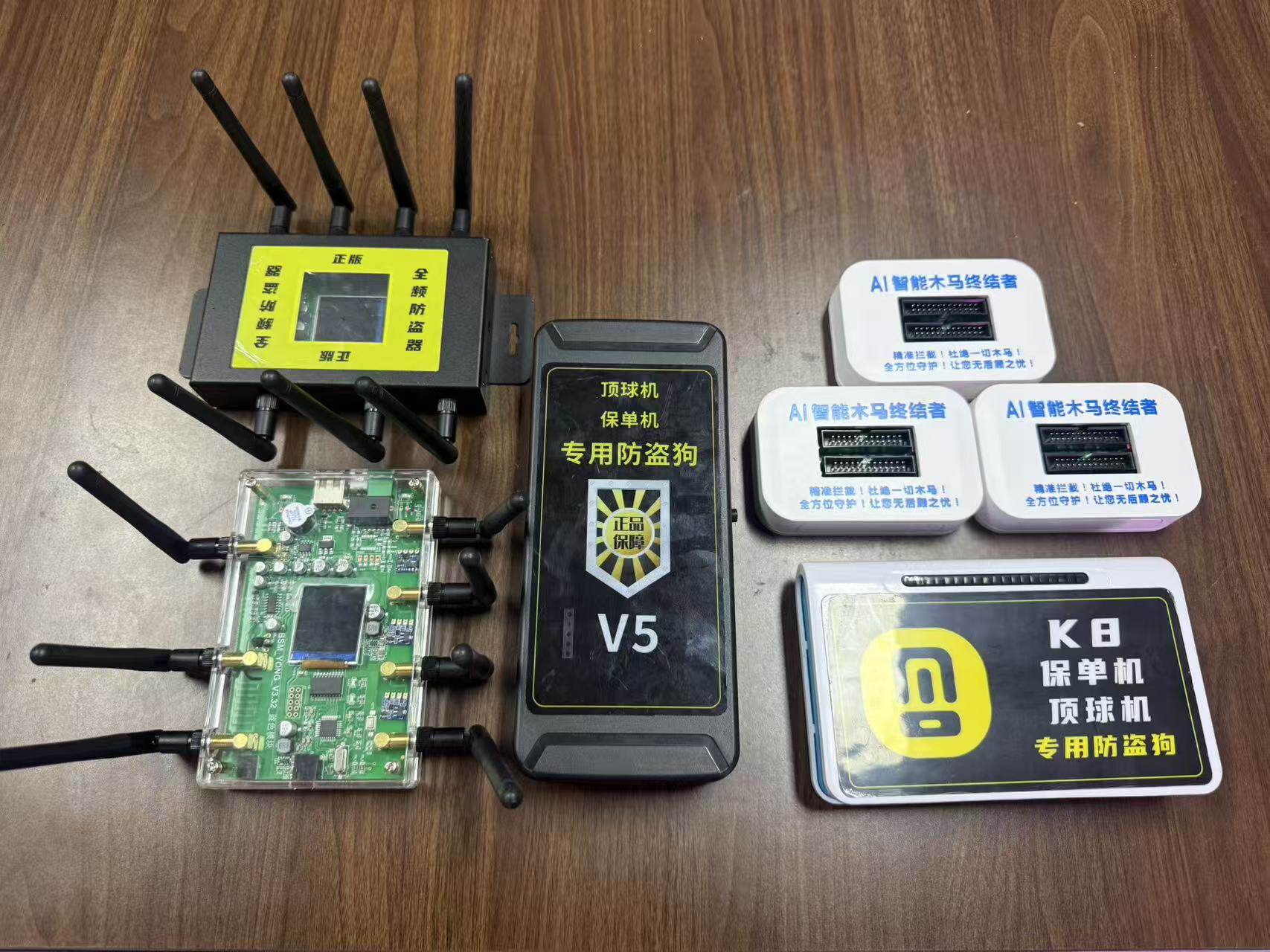
Second, wideband RF energy sensors mounted inside the metal chassis detect localized 2.4 GHz transmissions originating from within the cabinet itself, distinguishing internal transmitters from external venue Wi-Fi.
Third, high-speed optical isolators decouple all credit and key-in lines, ensuring that even if a rogue module attempts to pull a pulse line to ground, the watchdog intercepts the command and disables the payout hopper.
Hardware-Level RF Jamming Detection and Spectrum Density Analysis
| Wireless Protocol | Frequency Band | Attack Mechanism | Detection Difficulty | Hardware Defense Layer |
|---|---|---|---|---|
| Bluetooth Low Energy (BLE) | 2.402 – 2.480 GHz | Encrypted smartphone app trigger | High (Mimics consumer devices) | Bus Checksum & Logic Glitch Watchdog |
| Wi-Fi Direct / 802.11 | 2.412 – 2.472 GHz | Web server exploit on smart boards | Moderate (SSID visible) | Network Isolation & MAC Address Whitelist |
| Proprietary 2.4G Transceiver | 2.400 – 2.500 GHz | High-speed frequency hopping pulse trigger | High (Non-standard packets) | Wideband RF Energy Density Detector |
| Sub-GHz RF (433/868 MHz) | 433.92 / 868 MHz | High-power continuous carrier wave | Low (Easily intercepted) | Multi-Band TVS Surge Clamping & Alarm |
When an unauthorized wireless signature is confirmed, the system logs the event, trips a local relay, and alerts management via secure venue networks.
Operators should conduct periodic physical wire audits, inspecting the entire length of cabinet harnesses for non-factory splices or unfamiliar shrink-wrapped components.
Optical Signal Decoupling Protecting Logic Gates from High-Frequency Noise
Maintaining updated firmware on electronic payment terminals and enforcing physical cabinet locks prevents unauthorized access to internal wiring looms.
Upgrading to intelligent multi-band wireless defense hardware eliminates digital blind spots, ensuring complete control over your venue’s gaming revenue.
Staff Procedures for Conducting Wireless Spectrum Audits in Game Rooms
Maintaining updated firmware on electronic payment terminals and enforcing physical cabinet locks prevents unauthorized access to internal wiring looms.
Upgrading to intelligent multi-band wireless defense hardware eliminates digital blind spots, ensuring complete control over your venue’s gaming revenue.
Related Defense Systems and Anti-Cheat Resources
- remote control frequency cheating — Defending against RF key fobs and wireless transmitters.
- how wireless devices communicate with machines — Technical protocols and wireless interfaces exploited on game boards.
- smartphones and watches cheating arcade machines — Technical analysis of wearable and mobile cheating devices.