- Decoding the Core Electrical Specifications of Security Hardware
- Mean Time Between Failures (MTBF) and Component Longevity Metrics
- Ingress Protection (IP) Ratings for Dusty and Liquid-Prone Venues
- Sub-10ms Response Time and Pulse Clamping Voltage Thresholds
- Power Consumption Efficiency and Thermal Dissipation Standards
- Related Defense Systems and Anti-Cheat Resources
Navigating technical data sheets when procuring arcade security equipment can be daunting for operators. Manufacturers use a complex array of electrical metrics—such as MTBF, IP ratings, response latency, and clamping thresholds—that directly determine how a device performs on the revenue floor. Understanding these core specifications ensures that you invest in certified industrial arcade anti-cheat defense systems that provide durable, long-term revenue protection.
Specification 1: Response Time (Latency). This represents the total elapsed time between the moment an attack pulse enters the harness and the instant the defense switch cuts the line. Industrial devices must achieve sub-10ms response times to beat the game board’s 20ms input sampling cycle. For a comprehensive architectural overview and turnkey procurement frameworks, review our master guide on AI Trojan Terminator and RF defense systems.
Decoding the Core Electrical Specifications of Security Hardware
Specification 2: Mean Time Between Failures (MTBF). MTBF quantifies component reliability under continuous electrical load. Industrial defense modules boast MTBF ratings exceeding 50,000 hours (over 5.7 years of 24/7 operation), achieved through solid polymer capacitors and high-grade semiconductors.
Specification 3: Ingress Protection (IP) Rating. Arcades are harsh environments prone to dust accumulation, humidity, and accidental drink spills. An IP54 rating certifies that the internal electronics are sealed against airborne dust and splashing water.
Mean Time Between Failures (MTBF) and Component Longevity Metrics
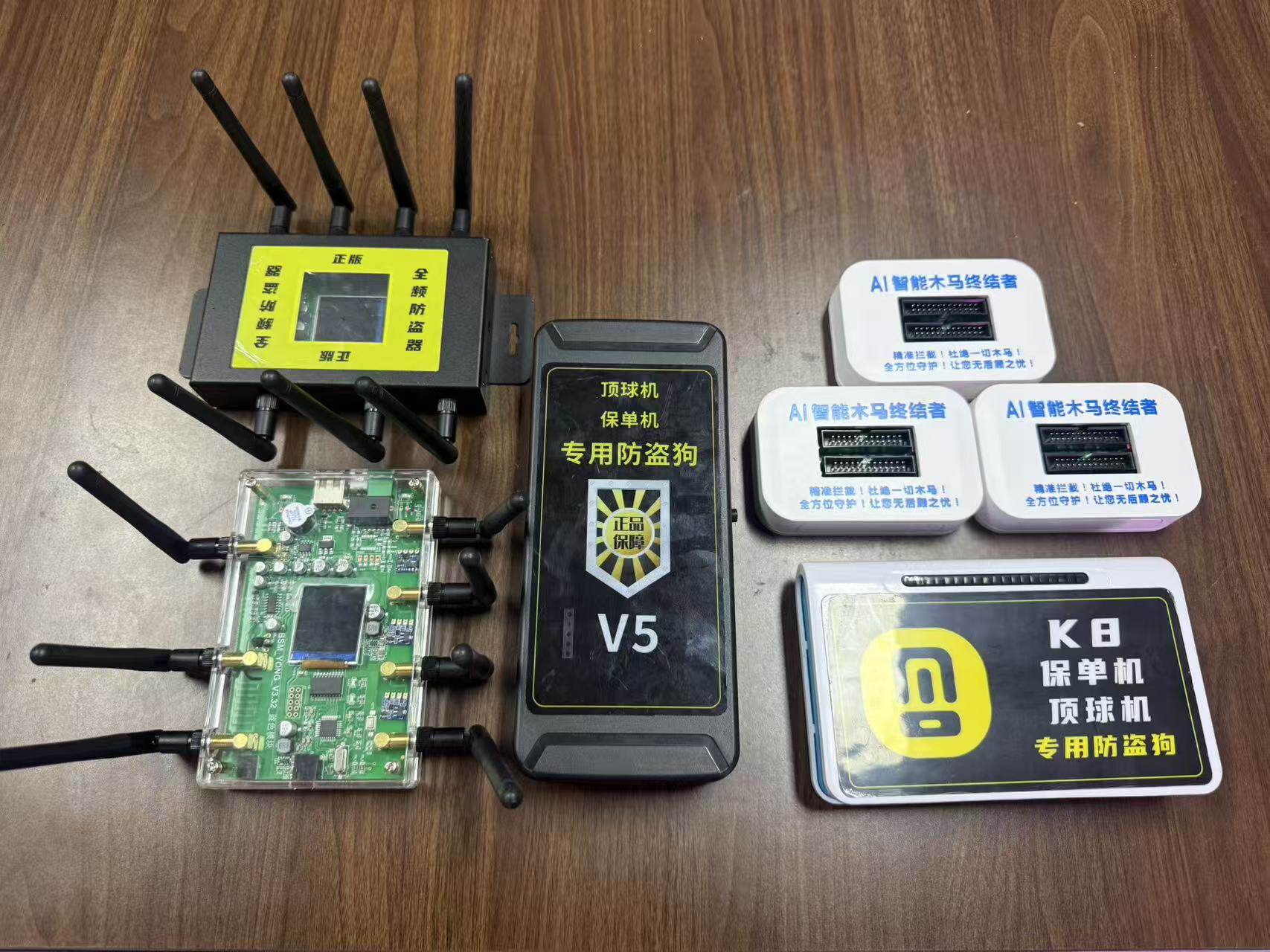
Specification 4: Power Draw and Thermal Efficiency. Security boards operate continuously inside unventilated cabinet bases. High-efficiency ARM-based units draw under 3.5 watts, preventing thermal throttling and excessive internal heat buildup.
Specification 5: Transient Voltage Clamping and Optical Isolation. Quality units specify bidirectional TVS diodes capable of absorbing 15,000V electrostatic discharges (ESD) in under 5 picoseconds, backed by 2,500V RMS optical isolation on all signal lines.
Ingress Protection (IP) Ratings for Dusty and Liquid-Prone Venues
| Technical Metric | Standard Spec Value | Hobbyist / Cheap Board | Industrial Gaming Grade | Operational Significance |
|---|---|---|---|---|
| Response Latency | < 8 milliseconds | 150ms – 300ms (Slow) | < 8ms (Instant Solid-State) | Blocks pulse before game registers credit |
| MTBF Rating | > 50,000 Hours | 8,000 Hours (<1 Year) | 50,000+ Hours (>5.7 Years) | Zero component drift or unexpected failure |
| Ingress Protection | IP54 Industrial | IP20 (Exposed PCB) | IP54 Dust & Splash Sealed | Protects against drink spills and dust accumulation |
| Power Consumption | < 3.5 Watts | 5W – 8W (High Heat) | < 3.0 Watts (Low Power) | Prevents thermal buildup in tight cabinets |
| Surge Suppression | 15 kV ESD / 2500V Opto | None (Direct Trace) | 15kV Air ESD / 2500V Opto | Protects motherboard from high-voltage arcs |
Specification 6: Electromagnetic Compatibility (EMC) Certification. Look for hardware certified to FCC Part 15 Class A and CE EN 55032 standards, proving the device will not emit electromagnetic noise that interferes with other venue electronics.
When purchasing hardware, request verified engineering data sheets rather than relying on unverified marketing claims from third-party resellers.
Sub-10ms Response Time and Pulse Clamping Voltage Thresholds
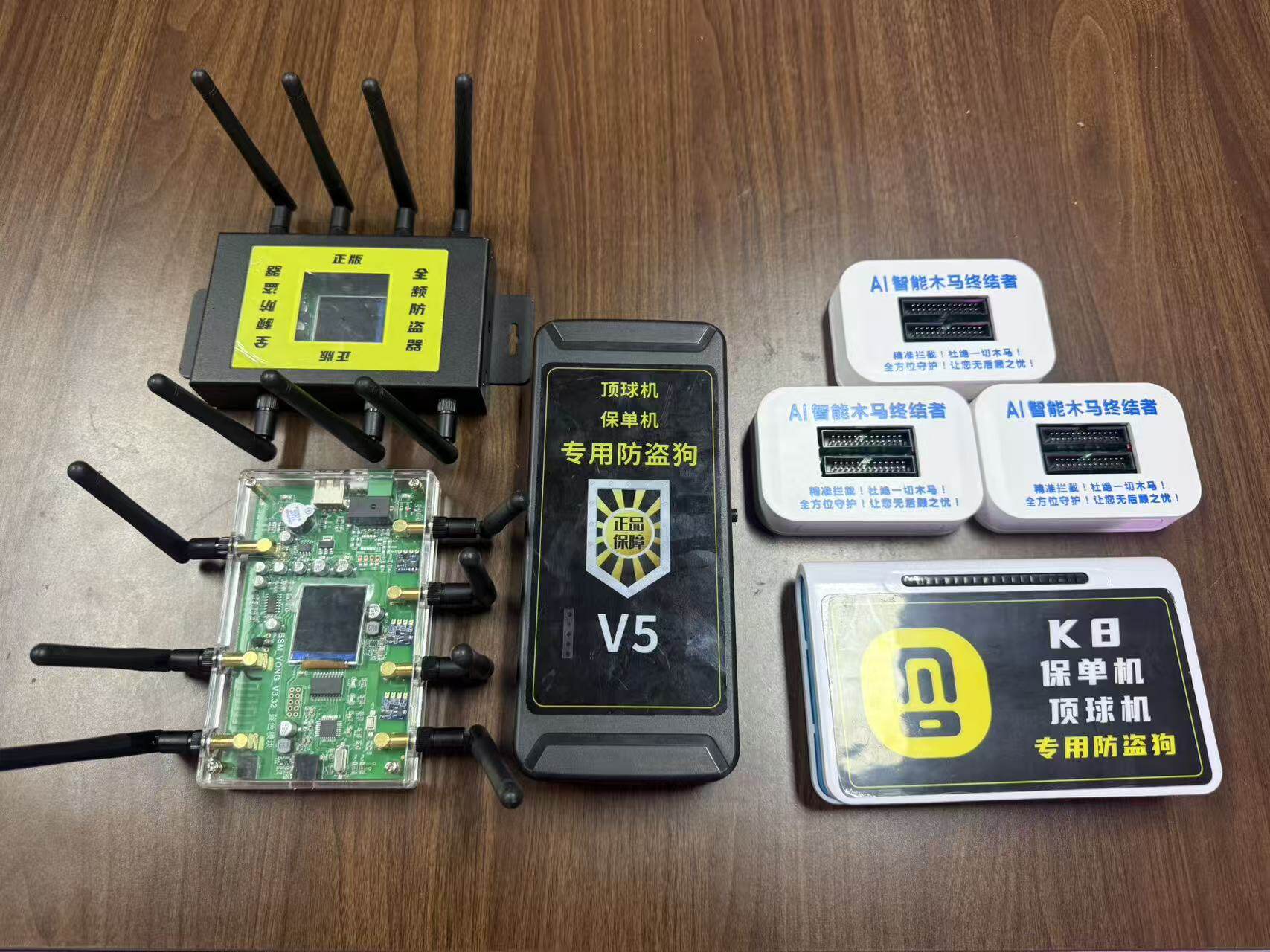
Standardizing your cabinet fleet on certified industrial hardware reduces maintenance overhead, simplifies technician training, and guarantees consistent security across all locations.
Demanding rigorous technical compliance ensures that your security hardware performs flawlessly when tested by real-world attack tools.
Power Consumption Efficiency and Thermal Dissipation Standards
Standardizing your cabinet fleet on certified industrial hardware reduces maintenance overhead, simplifies technician training, and guarantees consistent security across all locations.
Demanding rigorous technical compliance ensures that your security hardware performs flawlessly when tested by real-world attack tools.
Related Defense Systems and Anti-Cheat Resources
- durability and component lifespan — Component-level engineering requirements for continuous commercial duty.
- anti-cheat response time explained — Why sub-100ms detection latencies are critical to stopping electronic fraud.
- 110V vs 220V voltage selection — Power supply considerations across regional electrical grids.