- Mechanics of Card-Head Insertion and Harness Wire-Tapping Attacks
- How Rogue Microcontrollers Generate Synthetic Bill Acceptor Pulses
- Pulse Duty Cycle and Frequency Discrimination Circuit Architecture
- Physical Wire Loom Hardening with Tamper-Resistant Flex Conduit
- Audit SOP for Inspecting Validator Harness Continuity and Resistance
- Related Defense Systems and Anti-Cheat Resources
Bill acceptor wire-tapping and card-head point stealing represent major revenue leakage vectors in commercial game rooms. Attackers insert flexible printed circuit probes into validator bill paths or attach vampire clips to exposed wiring harnesses, injecting synthetic electrical pulses that mimic authentic $20, $50, or $100 currency insertions. Deploying industrial arcade anti-cheat defense systems with intelligent pulse-width validation eliminates these attacks by enforcing strict electrical and timing compliance.
A card-head tool is an ultra-thin PCB strip embedded with micro-contacts. When slipped into a bill validator’s optical path, the contacts bridge the credit output line to ground, simulating the electrical switch closure generated when authentic paper currency is validated. For a comprehensive architectural overview and turnkey procurement frameworks, review our master guide on commercial arcade loss prevention guide.
Mechanics of Card-Head Insertion and Harness Wire-Tapping Attacks
Vampire wire taps achieve a similar result by piercing the insulation on the 12V power, ground, and pulse lines, allowing a hidden battery-powered microcontroller to pump fake credit pulses directly into the mainboard.
Standard game boards lack pulse validation logic; they simply increment credit counters whenever an input line transitions from 5V high to 0V low, making them easy targets for basic signal generators.
How Rogue Microcontrollers Generate Synthetic Bill Acceptor Pulses
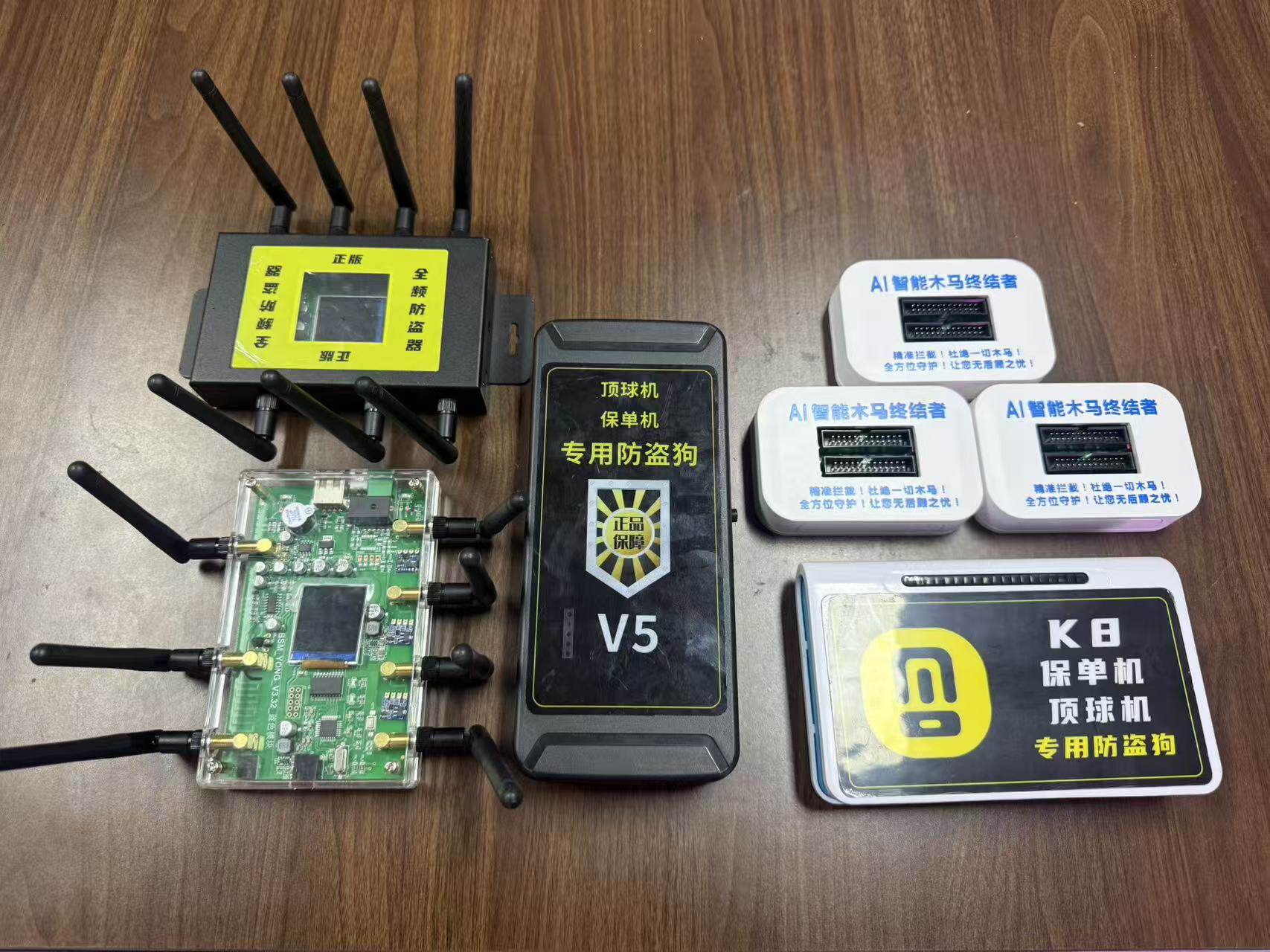
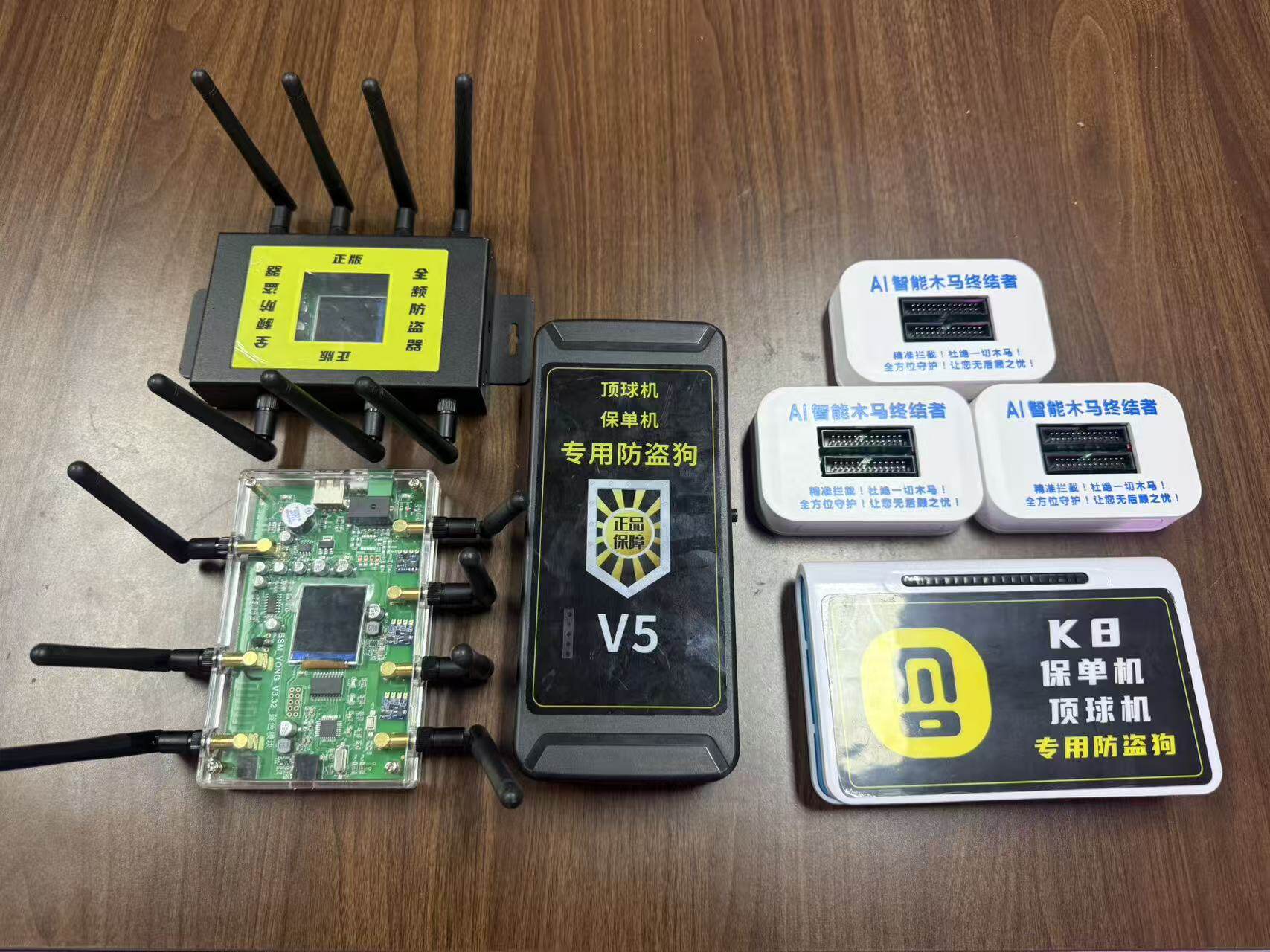
Industrial anti-cheat modules resolve this vulnerability by functioning as active pulse gatekeepers. Positioned directly between the bill acceptor and the game PCB, the module evaluates every incoming pulse with microsecond precision.
Authentic bill validators (such as ICT, Pyramid, and MEI units) generate square-wave pulses with calibrated 50ms low / 50ms high duty cycles and specific rise-fall times. If an injected pulse deviates from these timing windows, the watchdog rejects the signal instantly.
Pulse Duty Cycle and Frequency Discrimination Circuit Architecture
| Attack Technique | Tool Used | Signal Characteristic | Standard Board Reaction | Watchdog Defense Response |
|---|---|---|---|---|
| Card-Head Probe | Flexible PCB Slip with Contacts | Shorted pulse-to-ground line | Registers false $20 pulse | Detects line impedance drop & locks credit |
| Vampire Wire-Tap | Insulation displacement clip | External 5V square wave injection | Registers ghost currency | Flags non-standard pulse rise time (<1μs) |
| Optical Sensor Blinder | Infrared LED emitter probe | Blinds validator optical sensors | Accepts bleached paper bill | Serial handshake parity check fails & halts |
| Splitter Daughterboard | In-line harness interceptor | Generates 2x credit multiplier | Logs unbacked credits | Cryptographic validator challenge-response |
Additionally, the module monitors line impedance and capacitance. If a vampire tap or card-head probe attaches to the harness, the resulting change in line capacitance trips a hardware tamper interlock.
Physical cable hardening is an essential complementary measure. Technicians should wrap all exposed validator harnesses in braided steel conduit and apply security seals across the validator connector interface.
Physical Wire Loom Hardening with Tamper-Resistant Flex Conduit
During daily revenue reconciliation, managers should verify that bill stacker cash amounts match software credit logs to within 0.1%, immediately investigating any persistent variance.
Securing your bill acceptor lines with intelligent pulse conditioning hardware guarantees that every credit displayed on screen represents genuine currency locked safely in your cashbox.
Audit SOP for Inspecting Validator Harness Continuity and Resistance
During daily revenue reconciliation, managers should verify that bill stacker cash amounts match software credit logs to within 0.1%, immediately investigating any persistent variance.
Securing your bill acceptor lines with intelligent pulse conditioning hardware guarantees that every credit displayed on screen represents genuine currency locked safely in your cashbox.
Related Defense Systems and Anti-Cheat Resources
- validator fraud prevention — Stopping fake pulse injection and bill stringing attacks.
- anti-tamper devices for bill acceptors — Hardware protection modules for cash validation mechanisms.
- coin stringing and yo-yo cheating — Mechanical and optical defenses against physical coin fraud.