- The Microsecond Mechanics of Modern Electronic Pulse and EMP Attacks
- Why 200ms Reaction Latencies Guarantee Stolen Game Credits
- Solid-State Optical Switching Versus Mechanical Relay Propagation Delay
- Measuring Clamping and Cut-Off Latencies in Laboratory Bench Tests
- Selecting Ultra-Fast Hardware for High-Stakes Commercial Cabinets
- Related Defense Systems and Anti-Cheat Resources
In electronic warfare and arcade security, milliseconds make the difference between complete revenue protection and catastrophic cashbox theft. Cheating syndicates utilize variable-frequency sparkers and microcontroller pulse injectors designed to register credits in under 20 milliseconds. If an anti-cheat board takes 100 to 300 milliseconds to trigger its mechanical relay, the defense is completely useless—the fraudulent credits are already locked into the game motherboard before the alarm sounds. Deploying industrial arcade anti-cheat defense systems with verified sub-10ms response times is the only way to stop high-speed exploits.
To understand response latency, consider the anatomy of an electronic attack. An EMP sparker fires a high-voltage pulse that induces an active-low pulse on the coin-in wire. The game motherboard’s microcontroller samples input pins every 10 milliseconds. For a comprehensive architectural overview and turnkey procurement frameworks, review our master guide on arcade machine security and anti-cheat defense.
The Microsecond Mechanics of Modern Electronic Pulse and EMP Attacks
If a low voltage state persists across two consecutive clock cycles (20ms), the game processor registers a valid coin insertion and increments the credit balance.
Legacy alarm boards rely on analog inductors wired to mechanical relays. When the inductor senses a surge, current must energize an electromagnetic coil, overcoming mechanical spring inertia to pull the switch contacts apart. This mechanical transit takes 150 to 250 milliseconds—far too slow to prevent credit registration.
Why 200ms Reaction Latencies Guarantee Stolen Game Credits
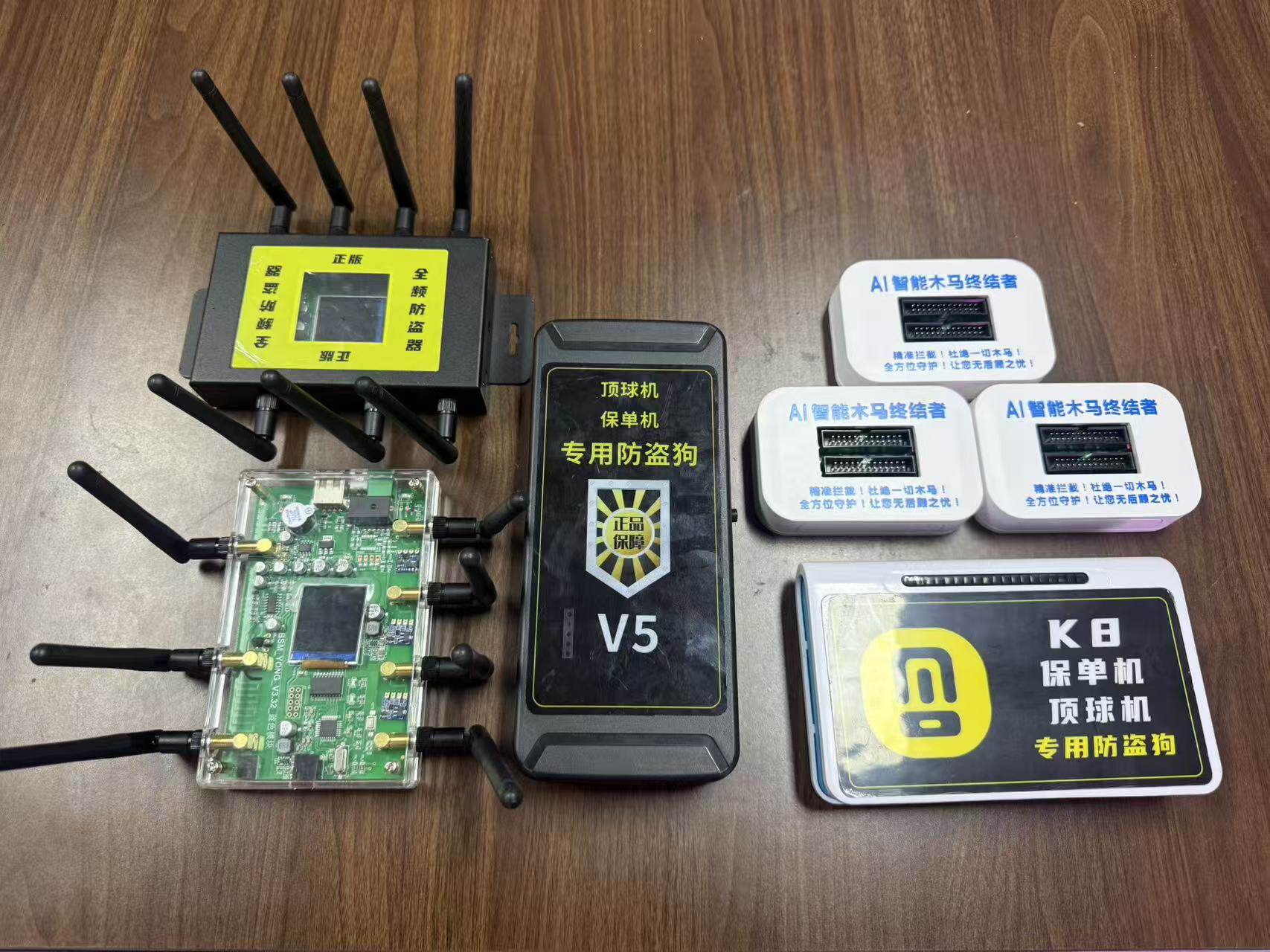
Industrial anti-cheat modules eliminate mechanical delay by utilizing 100% solid-state optical switching. An onboard 32-bit digital signal processor continuously samples line conditions at microsecond intervals.
The instant an abnormal rise-time signature or voltage surge is detected, the processor triggers a high-speed Opto-MOSFET switch, severing the pulse line in less than 8 milliseconds.
Solid-State Optical Switching Versus Mechanical Relay Propagation Delay
| Defense Switch Technology | Detection Latency | Relay Cut-Off Propagation | Total System Response | Credit Interception Result |
|---|---|---|---|---|
| Legacy Mechanical Relay | 50ms – 80ms (Analog) | 120ms – 200ms (Mechanical) | 170ms – 280ms (Too Slow) | Failed: Credits already registered on game PCB |
| Hybrid Comparator + Relay | 20ms – 30ms (Digital) | 40ms – 60ms (Mini-relay) | 60ms – 90ms (Borderline) | Partial: Intercepts slow pulses, misses fast sparkers |
| Solid-State Optical Switch | < 1ms (High-speed DSP) | < 7ms (Opto-MOSFET) | < 8ms (Ultra-Fast) | Success: 100% pulse interception before game register |
| TVS Active Surge Clamping | < 1 picosecond (Hardware) | Instantaneous (<5ps) | < 5 picoseconds | Success: Voltage clamped before entering input pin |
Simultaneously, bidirectional TVS diodes clamp the incoming high-voltage transient to safe logic levels within 5 picoseconds, preventing destructive energy from reaching the game board.
This dual-action defense guarantees that the electrical pulse is neutralized before the game board can execute its second input clock cycle, stopping the credit at the hardware boundary.
Measuring Clamping and Cut-Off Latencies in Laboratory Bench Tests
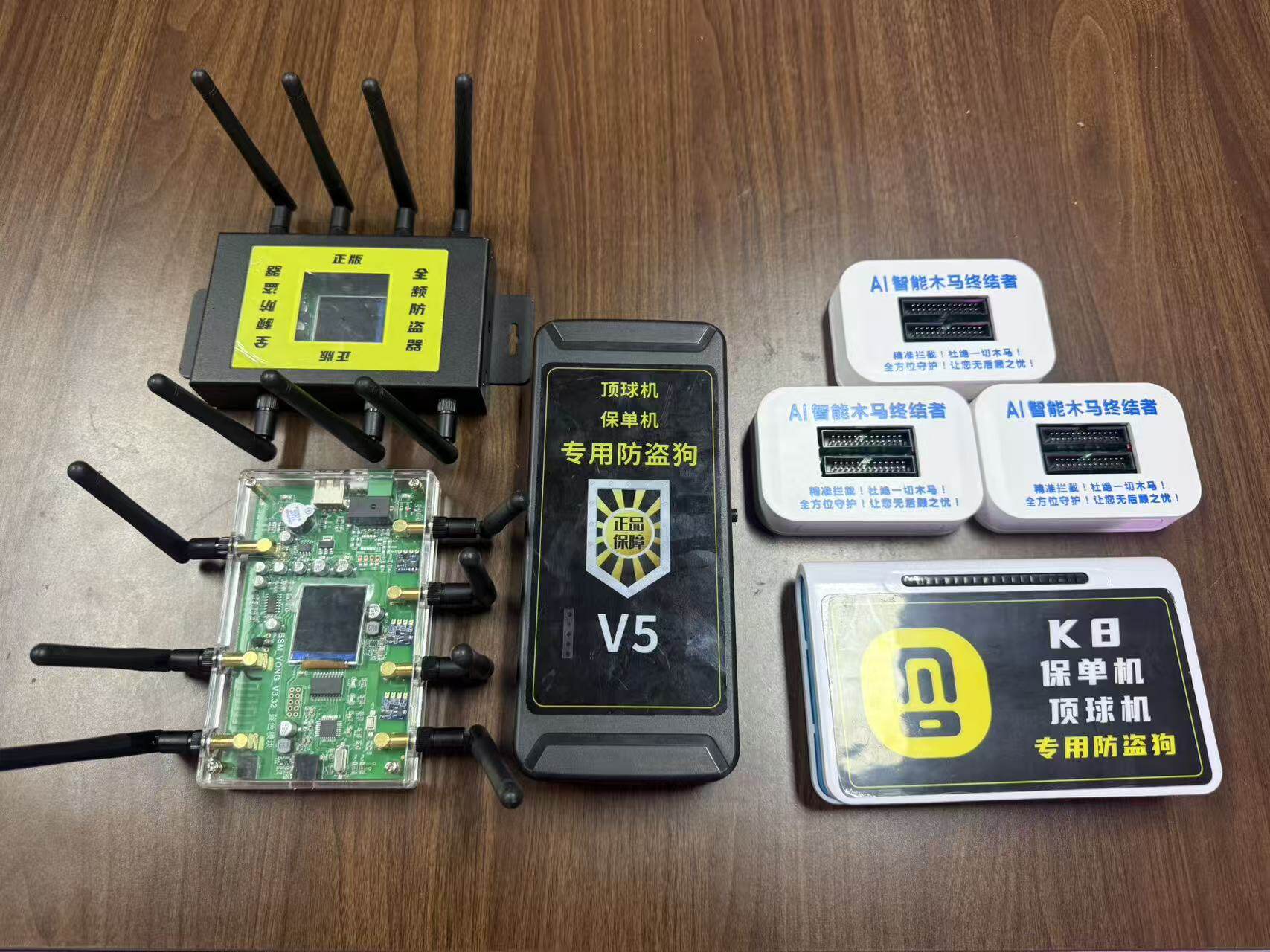
When evaluating anti-cheat specifications, operators should demand oscilloscope bench test verification proving total system response latencies under 10 milliseconds across all input channels.
Investing in sub-10ms solid-state defense hardware ensures instantaneous interception, protecting your machines against even the fastest electronic attack tools.
Selecting Ultra-Fast Hardware for High-Stakes Commercial Cabinets
When evaluating anti-cheat specifications, operators should demand oscilloscope bench test verification proving total system response latencies under 10 milliseconds across all input channels.
Investing in sub-10ms solid-state defense hardware ensures instantaneous interception, protecting your machines against even the fastest electronic attack tools.
Related Defense Systems and Anti-Cheat Resources
- anti-cheat durability and MTBF — Component-level engineering requirements for continuous commercial duty.
- false positive rates in anti-cheat — How digital waveform filtering prevents unnecessary player disruption.
- decoding anti-cheat specifications — Understanding MTBF, IP ratings, power draw, and surge specs.