- Global Voltage Standards and Arcade Cabinet Power Distribution Architecture
- Linear Versus Switching Power Supply Modules in Anti-Cheat Hardware
- Transformer Isolation and AC Line Noise Filtering Standards
- Protecting Anti-Cheat Modules from Ground Loops and Voltage Sags
- Installation Best Practices for North American and International Operators
- Related Defense Systems and Anti-Cheat Resources
Operating commercial arcade games and gaming routes across international markets requires careful attention to electrical power distribution standards. Whether deploying cabinets on 110V-120V 60Hz grids in North America or 220V-240V 50Hz grids across Europe, Asia, and Latin America, security hardware must operate flawlessly across diverse electrical conditions. Installing industrial arcade anti-cheat defense systems equipped with universal power architecture ensures complete operational stability regardless of local grid fluctuations.
Arcade cabinets convert primary AC mains power into regulated DC voltages (typically +12V, +5V, and -5V) using internal switching power supplies. The anti-cheat module is powered directly from this DC rail or through an auxiliary AC tap. For a comprehensive architectural overview and turnkey procurement frameworks, review our master guide on arcade machine security and anti-cheat defense.
Global Voltage Standards and Arcade Cabinet Power Distribution Architecture
In developing markets or older commercial buildings, AC line voltages frequently fluctuate by ±20%, causing voltage sags (brownouts) or high-energy inductive spikes caused by heavy air conditioning compressors and refrigeration units.
Low-grade analog alarm boards powered by crude linear regulators suffer logic glitches and false alarms during voltage drops, often resetting at the exact moment a cheater strikes.
Linear Versus Switching Power Supply Modules in Anti-Cheat Hardware
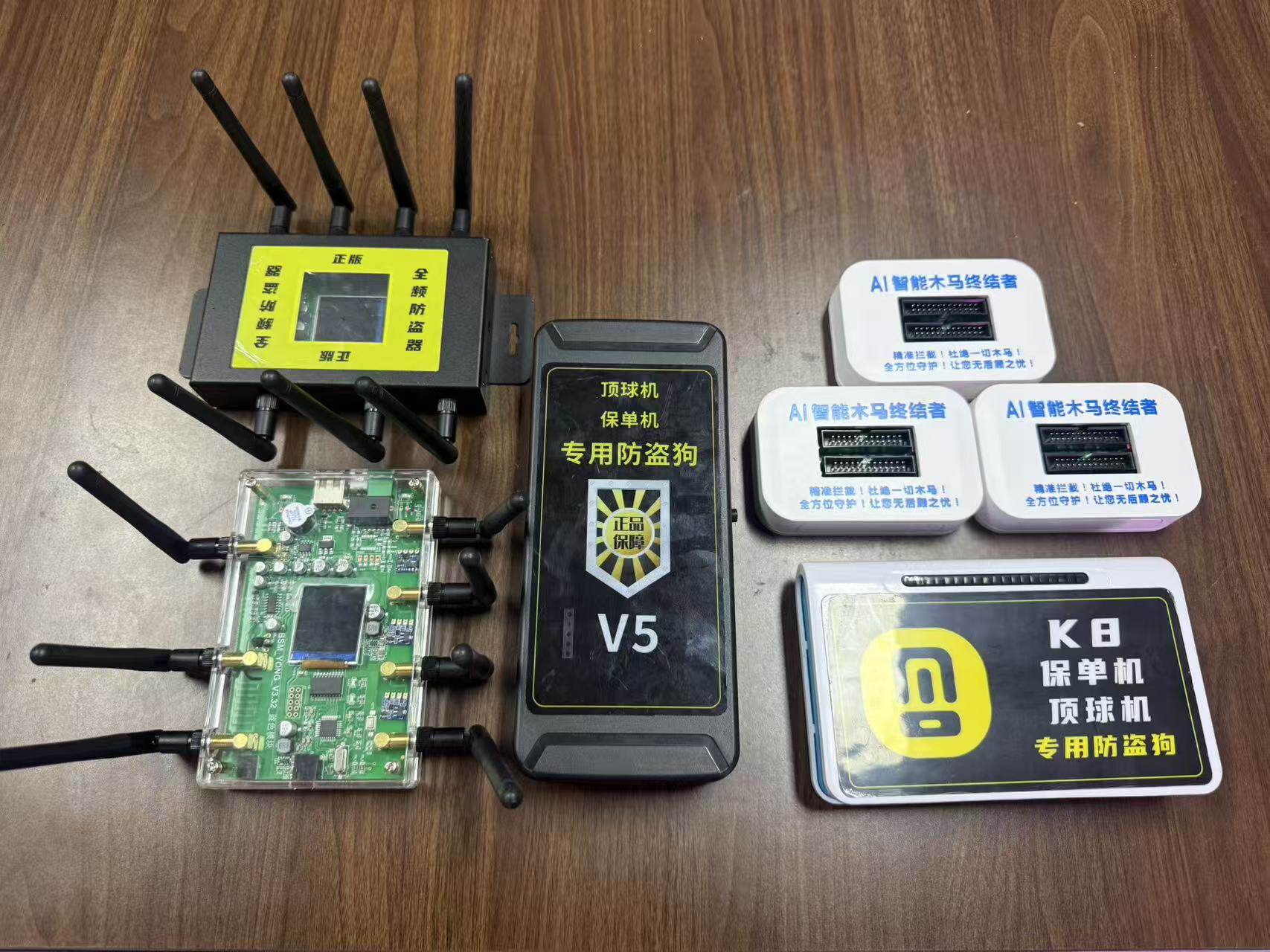
Industrial anti-cheat modules overcome line voltage instability by incorporating wide-input DC-to-DC converters (operating reliably from 9V to 36V DC) paired with high-efficiency switching regulators.
These industrial power stages feature high-energy Metal Oxide Varistors (MOVs) and common-mode EMI chokes on the power input, filtering out line noise and voltage transients up to 4,000 volts.
Transformer Isolation and AC Line Noise Filtering Standards
| Regional Voltage Standard | Nominal AC Voltage | Grid Frequency | Common Markets | Recommended Anti-Cheat Power Input |
|---|---|---|---|---|
| North American Standard | 110V – 120V AC | 60 Hz | USA, Canada, Mexico | Universal 90V-264V AC / 12V DC Regulated |
| European / International | 220V – 240V AC | 50 Hz | Europe, Australia, Asia | Universal 90V-264V AC / 12V DC Regulated |
| Latin America / Mixed | 127V / 220V Dual | 50 / 60 Hz | Brazil, Colombia, Caribbean | Wide-Range Switching Module with Active PFC |
| Battery / Mobile Kiosks | 12V / 24V DC Direct | DC Direct | Route Vans, Solar Kiosks | Isolated 9V-36V DC-to-DC Converter |
Furthermore, galvanic isolation between the AC power earth and the internal DC logic ground prevents ground loop currents from injecting noise into sensitive RF detection antennas.
For route operators managing diverse machine fleets, universal power compatibility reduces inventory overhead, allowing technicians to stock a single anti-cheat model for all cabinet types.
Protecting Anti-Cheat Modules from Ground Loops and Voltage Sags
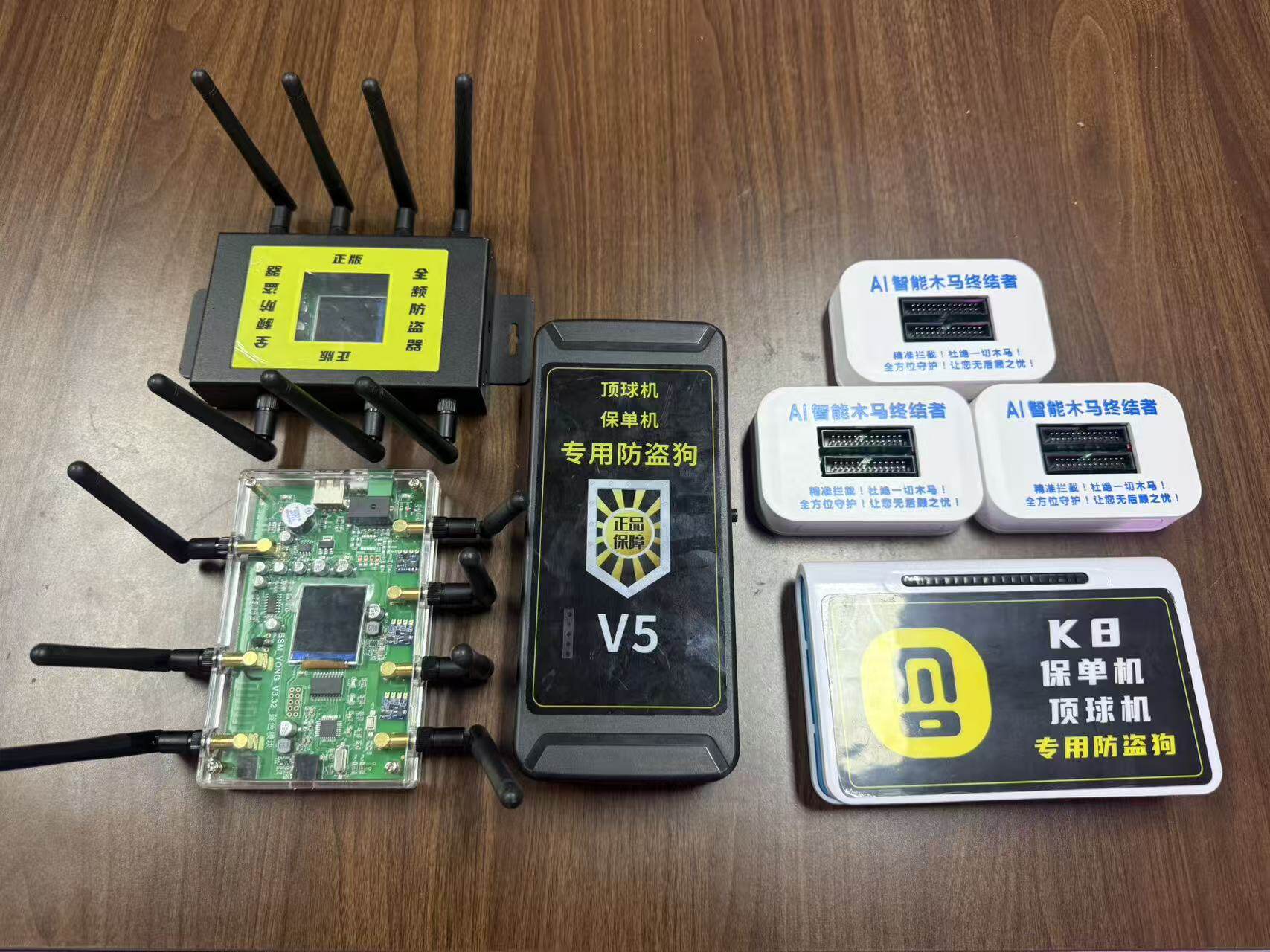
When installing security modules, always verify that the cabinet power supply output is adjusted to a solid +12.0V DC under full operational load and that ground bonding prongs are securely connected.
Specifying universal-voltage, surge-protected anti-cheat hardware guarantees rock-solid reliability, protecting your machines from both grid instability and malicious attacks.
Installation Best Practices for North American and International Operators
When installing security modules, always verify that the cabinet power supply output is adjusted to a solid +12.0V DC under full operational load and that ground bonding prongs are securely connected.
Specifying universal-voltage, surge-protected anti-cheat hardware guarantees rock-solid reliability, protecting your machines from both grid instability and malicious attacks.
Related Defense Systems and Anti-Cheat Resources
- durability and component lifespan — Component-level engineering requirements for continuous commercial duty.
- decoding anti-cheat specifications — Understanding MTBF, IP ratings, power draw, and surge specs.
- false positive rates in anti-cheat — How digital waveform filtering prevents unnecessary player disruption.