- High-Speed 60-Minute Venue Security Auditing Methodology
- Step 1: Rapid Electronic Meter and Cashbox Drop Reconciliation (15 Mins)
- Step 2: Physical Inspection of Cabinet Seals and Wire Looms (15 Mins)
- Step 3: Anti-Cheat Hardware Status and Surge Suppressor Verification (15 Mins)
- Step 4: CCTV Surveillance Review and High-Payout Correlation (15 Mins)
- Related Defense Systems and Anti-Cheat Resources
Time is a precious resource for arcade owners and route operators. Managing staff, customer service, and daily operations leaves little time for hours-long diagnostic procedures. However, skipping security checks creates dangerous vulnerabilities that cheating syndicates quickly exploit. By following a structured 60-minute rapid audit methodology backed by industrial arcade anti-cheat defense systems, operators can thoroughly verify venue integrity in under an hour.
Minutes 00 to 15: Rapid Meter Reconciliation. Begin by pulling the lifetime electronic coin-in and payout meters from your top revenue-generating cabinets. Compare the software credit counts directly against the physical cash gathered from bill stackers. For a comprehensive architectural overview and turnkey procurement frameworks, review our master guide on AI Trojan Terminator and RF defense systems.
High-Speed 60-Minute Venue Security Auditing Methodology
If software credits match cash deposits to within 0.1%, the cash validation pathway is secure. Any unexplained disparity immediately flags that specific machine for a deep physical inspection.
Minutes 15 to 30: Physical Loom and Chassis Inspection. Open the front service doors of your priority cabinets. Using a bright flashlight, scan the wiring harness running from the JAMMA edge connector to the bill validator.
Step 1: Rapid Electronic Meter and Cashbox Drop Reconciliation (15 Mins)
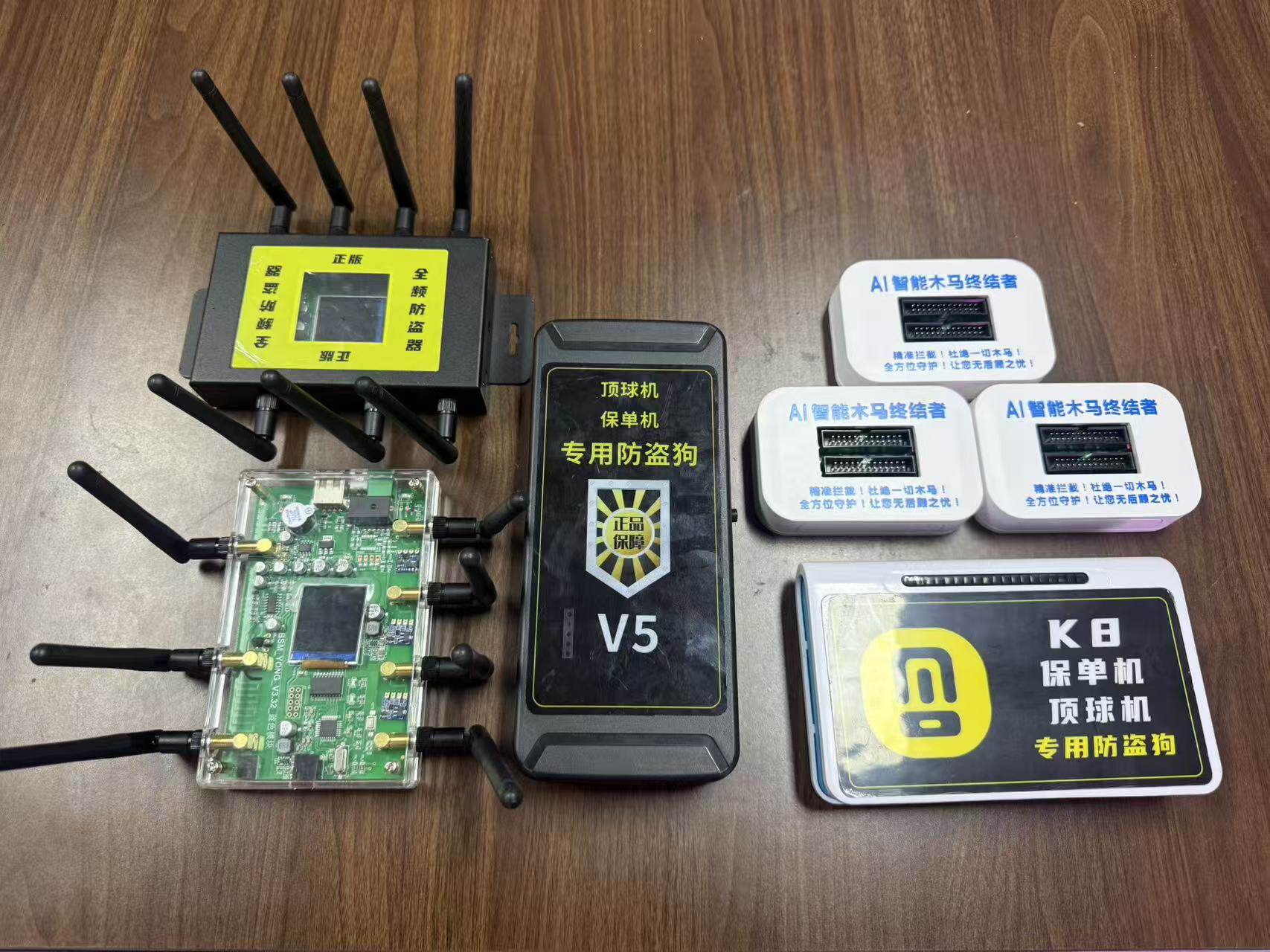
Verify that serialized tamper-evident security tape on EPROM sockets and logic cages remains intact with no peeling or cut marks. Inspect the harness for irregular electrical tape or non-factory wire splices.
Minutes 30 to 45: Anti-Cheat Hardware Status Check. Inspect the status indicators on all installed anti-cheat watchdog boards. Confirm that power, ground, and signal LEDs display solid green.
Step 2: Physical Inspection of Cabinet Seals and Wire Looms (15 Mins)
| Time Window | Audit Phase | Inspection Focus | Tools / Equipment | Success Criteria |
|---|---|---|---|---|
| 00:00 – 00:15 | Meter vs Cash Audit | Coin-in / Bill drop vs Cashbox total | Meter printout / Master audit sheet | 0.0% unbacked credit variance |
| 00:15 – 00:30 | Physical Loom Audit | JAMMA edge, coin door, EPROM seal | Flashlight & Multimeter | Zero wire splices or broken seals |
| 00:30 – 00:45 | Hardware Health Check | Watchdog LEDs, ground resistance, TVS | Earth Ground Tester / Test Fob | All watchdog modules green, ground <4Ω |
| 00:45 – 01:00 | Surveillance Correlate | Cross-check top 5 payouts with CCTV | CCTV NVR playback software | All top wins verified as genuine play |
Using a calibrated RF test wand, emit a brief test pulse near the sensor loop to confirm that the alarm relay triggers and resets properly in under 10 milliseconds.
Minutes 45 to 60: Surveillance Cross-Correlation. Review CCTV recordings corresponding to the venue’s top three largest payouts from the previous 24 hours.
Step 3: Anti-Cheat Hardware Status and Surge Suppressor Verification (15 Mins)
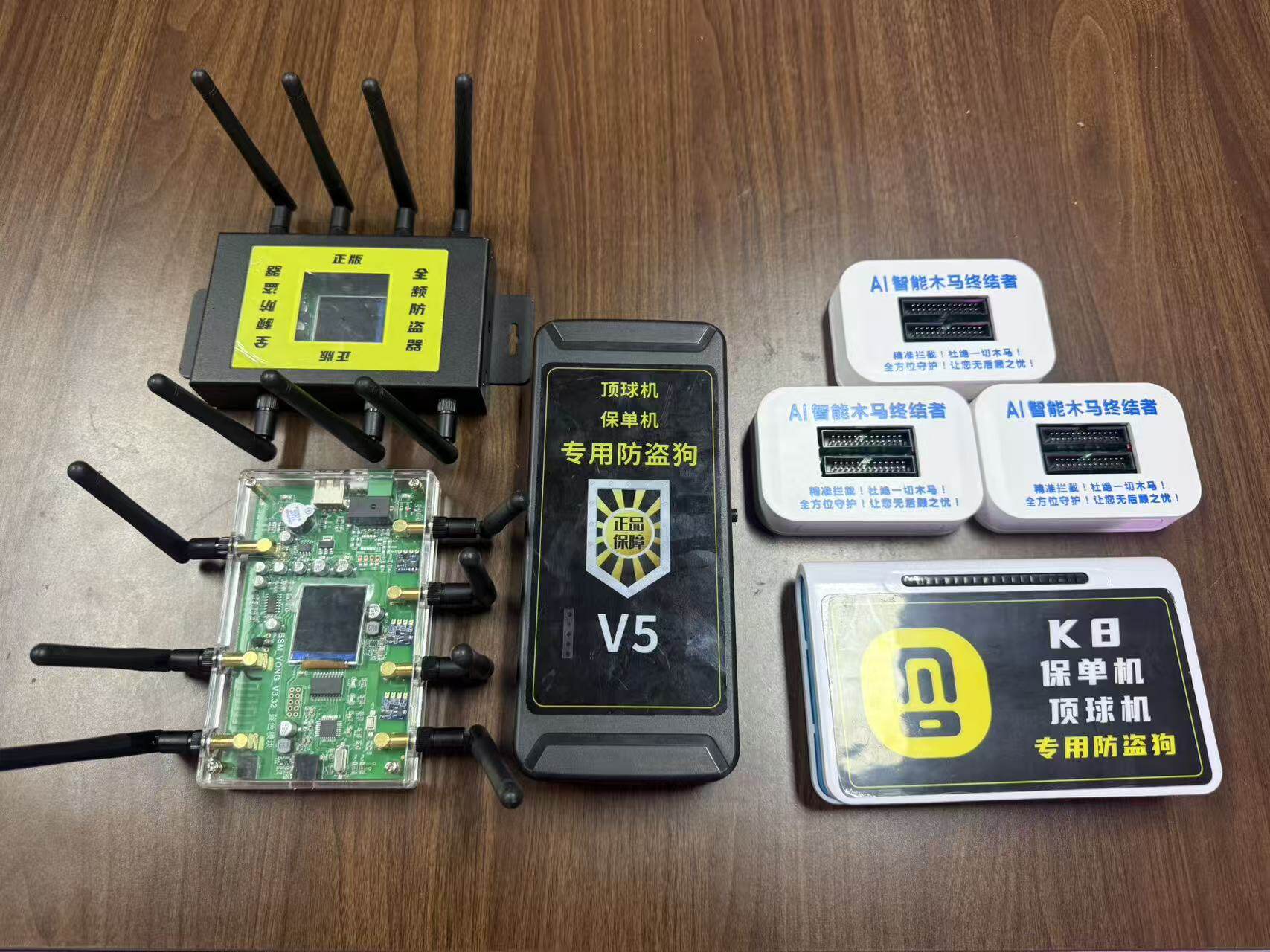
Verify that winning players demonstrated legitimate physical play, did not place smartphones flat over internal wiring, and did not exhibit suspicious coordination with lookouts.
Executing this systematic 60-minute audit once per week establishes ironclad operational oversight, catching minor anomalies before they transform into catastrophic financial losses.
Step 4: CCTV Surveillance Review and High-Payout Correlation (15 Mins)
Verify that winning players demonstrated legitimate physical play, did not place smartphones flat over internal wiring, and did not exhibit suspicious coordination with lookouts.
Executing this systematic 60-minute audit once per week establishes ironclad operational oversight, catching minor anomalies before they transform into catastrophic financial losses.
Related Defense Systems and Anti-Cheat Resources
- daily cash reconciliation SOP — Catching electronic cheating losses early through daily meter balancing.
- how to prove a player is cheating — Evidence collection standards for prosecuting arcade fraud.
- building an anti-cheat staff SOP — Developing comprehensive operational security protocols for venue staff.