- The High-Risk Operational Environment of Gas Stations and Bar-Tops
- Countering Covert EMP and RF Attacks in Crowded Commercial Spaces
- Compact In-Line Hardware Watchdogs for Small-Footprint Cabinets
- Supervised Wiring Conduits and Anti-Tamper Bezel Interlocks
- Route Operator Maintenance and Weekly Audit Procedures
- Related Defense Systems and Anti-Cheat Resources
Placing bar-top and compact fish game machines in gas stations, truck stops, and taverns is one of the most lucrative segments of the coin-op gaming industry. However, route locations present severe security challenges: store clerks are preoccupied with retail sales, lighting can be dim, and patrons have extended unmonitored access to cabinets. Installing compact industrial arcade anti-cheat defense systems with active surge suppression and autonomous lockout capabilities is essential to protecting route revenue.
In a convenience store setting, cheating syndicates take advantage of retail rushes. While the store clerk is busy managing a line of customers, a perpetrator places a smartphone-concealed EMP sparker flat against the cabinet glass or validator bezel, pulsing credits directly into the machine. For a comprehensive architectural overview and turnkey procurement frameworks, review our master guide on commercial arcade loss prevention guide.
The High-Risk Operational Environment of Gas Stations and Bar-Tops
Without hardware defense, the machine awards maximum credits, allowing the accomplice to print a high-value prize ticket and demand immediate cash redemption from the busy clerk.
Compact industrial anti-cheat modules eliminate this vulnerability by fitting seamlessly inside tight bartop cabinet enclosures.
Countering Covert EMP and RF Attacks in Crowded Commercial Spaces
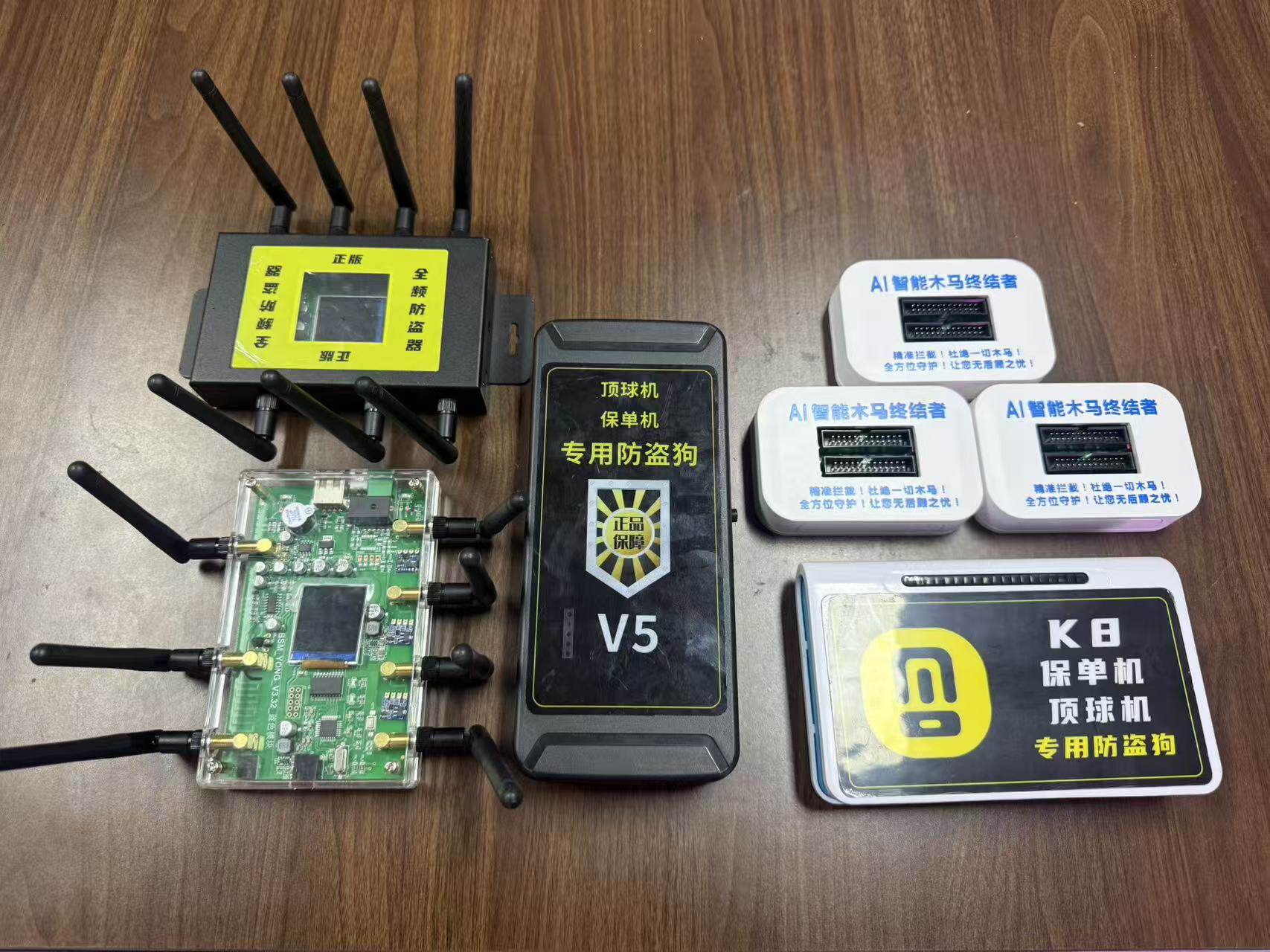
Drawing less than 3.5 watts from the cabinet’s 12V DC power rail, the module continuously monitors incoming pulse timing and electromagnetic field density.
The instant an EMP burst or synthetic pulse is detected, high-speed TVS diodes clamp the overvoltage in picoseconds, while solid-state optical switches disconnect credit inputs in under 8 milliseconds.
Compact In-Line Hardware Watchdogs for Small-Footprint Cabinets
| Venue Characteristic | Primary Threat Vector | Attack Opportunity | Hardware Defense Architecture | Operator Benefit |
|---|---|---|---|---|
| Busy Gas Station / C-Store | Phone-case EMP sparkers | Clerk busy behind counter | DSP Waveform Filter & TVS Clamping | Instant surge neutralization (<5ps) |
| Bar-Top / Tavern | Drink spills & piezo lighters | Dim lighting, crowded space | IP54 sealed casing + Optoisolation | Resists moisture and electrical arcs |
| Unattended Route Kiosk | Wire taps & bill stringing | Zero continuous supervision | Pulse-width validation (<10ms tolerance) | Zero ghost credits recorded |
| Remote Highway Truck Stop | Coordinated syndicate hit-and-run | Fast highway exit getaway | Automated cellular cloud alert & lockout | Immediate manager notification |
Simultaneously, the module latches an automated lockout, preventing the machine from processing payouts until a manager key reset is performed.
For route operators managing dozens of dispersed locations, pairing the hardware with cellular telemetry modems enables remote monitoring, sending instant SMS alerts to technicians if a unit is tampered with.
Supervised Wiring Conduits and Anti-Tamper Bezel Interlocks
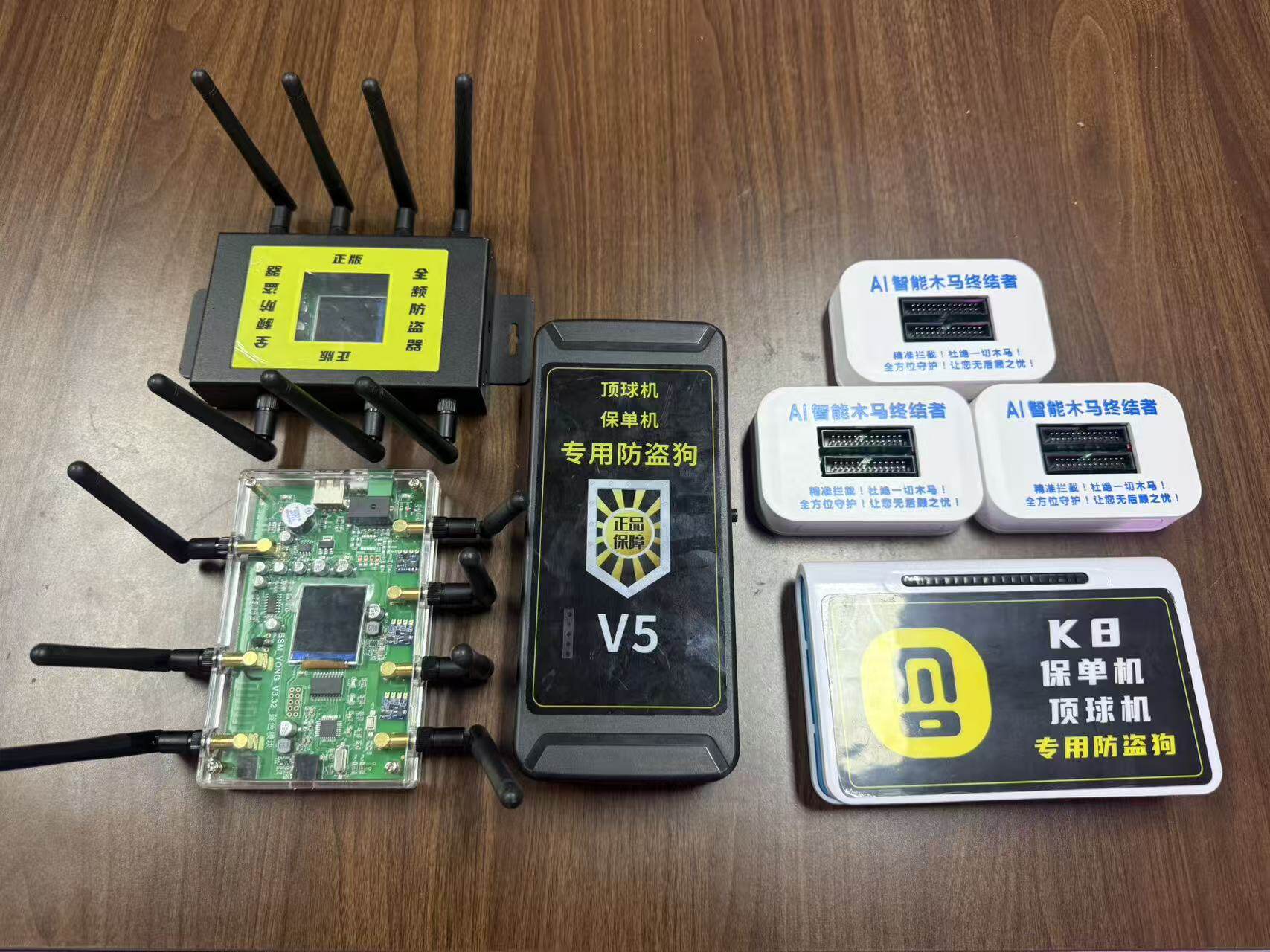
During weekly collection visits, route technicians should verify that cabinet locks and tamper-evident seals remain intact and cross-reference cash collected against software meter counts.
Hardening your gas station and bar-top cabinets with certified industrial anti-cheat hardware ensures that route profits remain secure and completely protected against roving theft crews.
Route Operator Maintenance and Weekly Audit Procedures
During weekly collection visits, route technicians should verify that cabinet locks and tamper-evident seals remain intact and cross-reference cash collected against software meter counts.
Hardening your gas station and bar-top cabinets with certified industrial anti-cheat hardware ensures that route profits remain secure and completely protected against roving theft crews.
Related Defense Systems and Anti-Cheat Resources
- unattended self-service security — 24/7 perimeter defense for automated game rooms.
- remote monitoring for arcade chains — Spotting cheating patterns across multi-store operations.
- bartop and wall-mount game security — Protecting compact, small-footprint gaming machines.
Specific Threat Vectors in Gas Station and Route Gaming Environments
Gas station and roadside retail gaming terminals operate in high-traffic, low-supervision environments where players frequently possess extended periods of unmonitored machine access during late-night shifts. Fraud syndicates exploit this dynamic using portable battery-powered high-voltage generators (commonly disguised as car key fobs or vape devices) and wide-spectrum RF transmitters. Protecting these distributed cash-producing nodes demands automated, self-healing hardware defenses that operate without requiring retail staff intervention.
| Attack Methodology | Physical Signature | Autonomous Detection Mechanism | Fail-Safe State |
|---|---|---|---|
| Vape-Concealed RF Jammer | Bursts of 433MHz carrier waves near LCD bezel | Broadband RF RSSI threshold monitor | Mute game score input for 30 seconds |
| Piezoelectric Coin Shock | Static discharge on metal coin return cup | Multi-channel transient voltage suppressor | Absorb & clamp surge; ground to earth |
| Optical Validator Mirroring | Reflective film inserted into bill pathway | Multi-spectral optical sensor with magnetic head | Reject bill; trigger validator lock-out |
| Power Cycle Exploit | Rapid AC switch toggling to corrupt credit memory | Brownout detection supervisor with non-volatile FRAM | Zero credit loss; clean state restoration |
Autonomous Lockout and Power Monitoring Circuitry
A resilient route anti-cheat unit incorporates intelligent power monitoring circuitry. When input AC voltage drops below 90VAC or spikes above 260VAC (a classic tactic to induce memory register faults), an ultra-fast comparator disconnects the cabinet power supply within 5 microseconds, preserving RAM integrity. Once line power stabilizes, the system performs a cryptographic boot verification before restoring player session credits, ensuring zero fraudulent score manipulation during electrical brownouts.
For custom engineering consultations on route security modules, contact Engineer Wang via WhatsApp +86 17620842078 or email miba515527@gmail.com.