- Strategic Fleet Risk Assessment and Priority Cabinet Classification
- Standardizing Hardware Specifications Across Diverse Machine Makes
- Staged Rollout Logistics and In-House Technician Training SOP
- Centralized Telemetry Integration and Multi-Location Incident Auditing
- Measuring Chain-Wide ROI and Payout Variance Reductions Post-Deployment
- Related Defense Systems and Anti-Cheat Resources
Managing security across a multi-location arcade chain or regional gaming route requires a structured, scalable operational strategy. When operating dozens of machines across multiple venues, decentralized security practices and inconsistent hardware create dangerous vulnerabilities that roving cheating syndicates quickly identify and exploit. Implementing a standardized deployment of industrial arcade anti-cheat defense systems across all locations establishes centralized oversight, protects revenue, and maximizes operational efficiency.
Phase 1: Fleet Risk Assessment. Begin by auditing revenue variance data across all locations. Classify machines into three risk tiers: Tier 1 (High-stakes multi-player fish tables), Tier 2 (Standalone skill slots and coin pushers), and Tier 3 (General redemption games). For a comprehensive architectural overview and turnkey procurement frameworks, review our master guide on commercial arcade loss prevention guide.
Strategic Fleet Risk Assessment and Priority Cabinet Classification
Phase 2: Hardware Standardization. Avoid deploying mismatched third-party alarm boards. Standardize the entire fleet on a single certified industrial anti-cheat platform with uniform wiring pinouts and optical isolation specs, simplifying spare parts inventory and technician training.
Phase 3: Pilot Deployment. Equip 10 high-risk fish tables at your busiest venue for a two-week pilot test. Verify that response times meet sub-10ms standards, train local staff on the alarm confrontation SOP, and record baseline revenue stability.
Standardizing Hardware Specifications Across Diverse Machine Makes
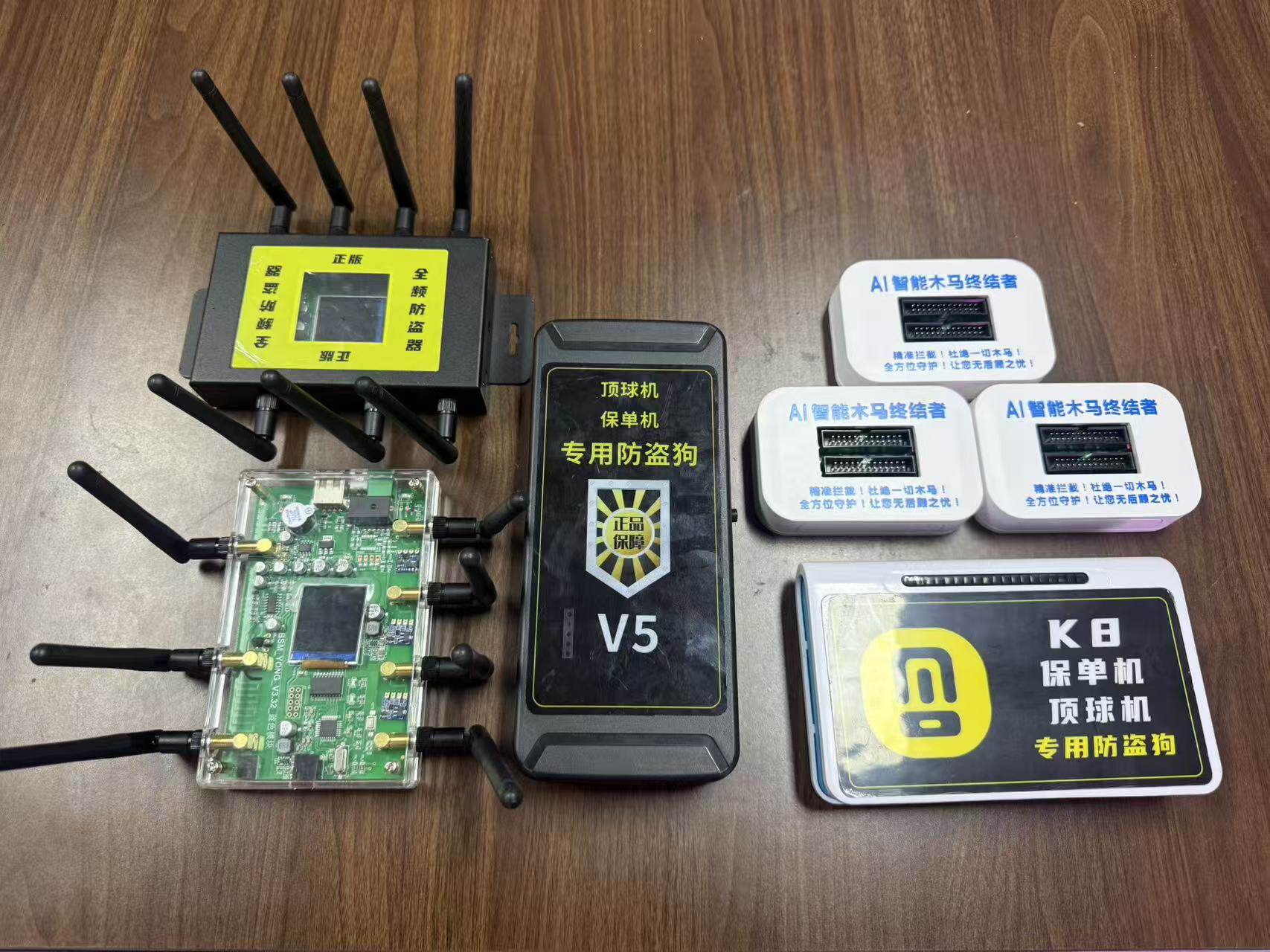
Phase 4: Staged Chain Rollout. Equip field technicians with pre-assembled plug-and-play JAMMA wiring harnesses. Technicians can retrofit 8 to 12 cabinets per day without disrupting active venue operations.
Phase 5: Centralized Telemetry. Connect anti-cheat watchdog boards to local IoT gateways or cellular telemetry modems, routing real-time tamper logs, voltage surge events, and meter readings to a centralized operations dashboard.
Staged Rollout Logistics and In-House Technician Training SOP
| Rollout Stage | Timeline | Target Deliverable | Key Tasks Required | Milestone Success Metric |
|---|---|---|---|---|
| Phase 1: Pilot | Weeks 1 – 2 | 10 High-Risk Fish Tables | Bench testing, wiring harness standard, baseline variance logging | Zero false alarms, 100% pulse clamping verified |
| Phase 2: Core Fleet | Weeks 3 – 6 | Top 50 Revenue Cabinets | Technician installation, physical tamper seals, staff training SOP | Full multi-seat optoisolation across high-value units |
| Phase 3: Route Units | Weeks 7 – 10 | All Remote / Bartop Units | Compact micro-watchdog installation, cellular telemetry setup | 100% fleet coverage across all 10 locations |
| Phase 4: Optimization | Ongoing | Centralized Audit Platform | Weekly variance reporting, scheduled ground continuity audits | Chain-wide hold percentage stabilized to 25% ±2% |
Phase 6: Multi-Location Staff Training. Conduct standardized training webinars for all venue managers, reviewing daily meter reconciliation procedures, evidence preservation protocols, and incident escalation paths.
Phase 7: Centralized Performance Auditing. Review weekly hold percentage reports across all 10 locations. Any location exhibiting sudden variance anomalies can be audited immediately via remote telemetry.
Centralized Telemetry Integration and Multi-Location Incident Auditing
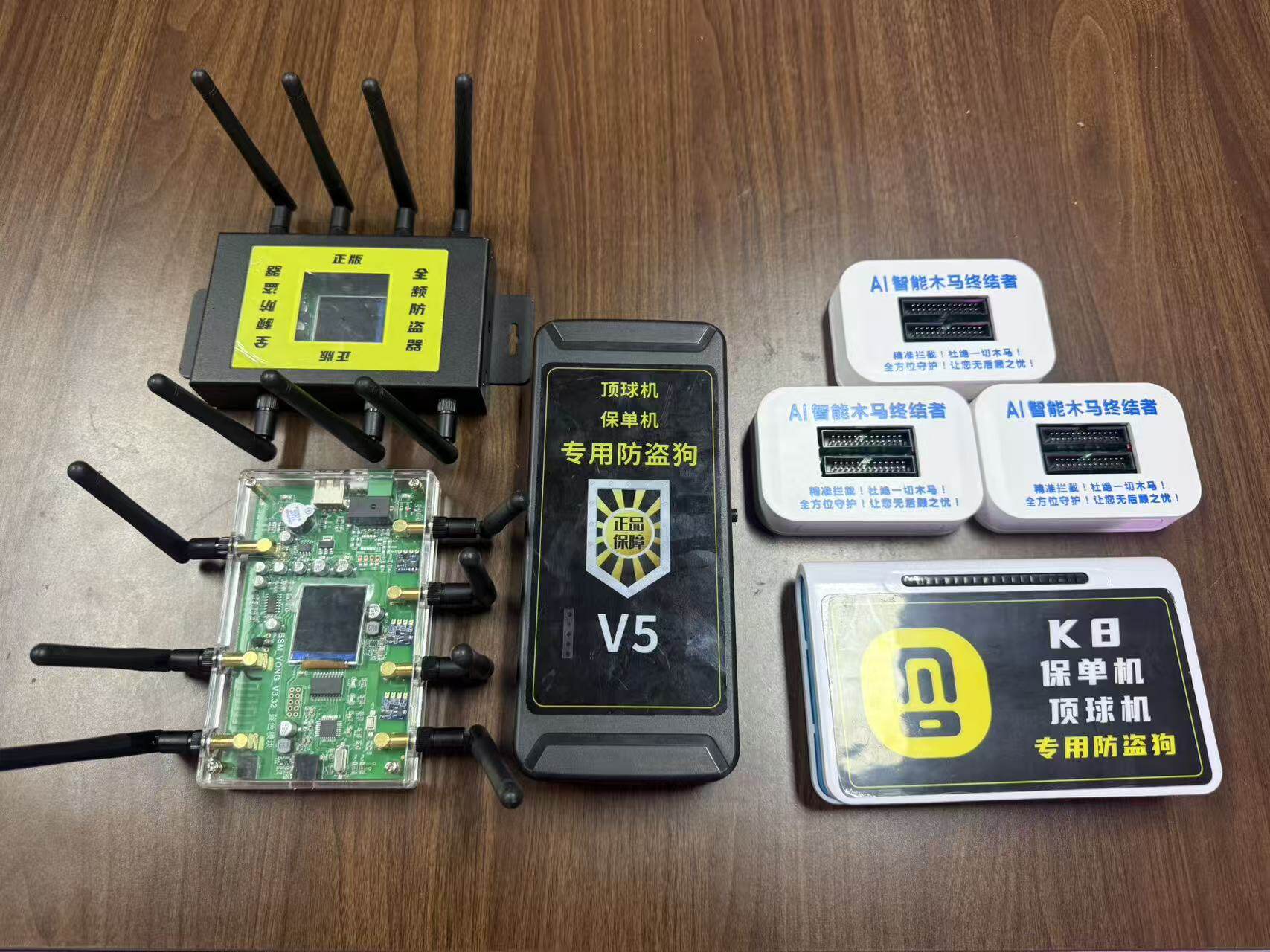
Bulk wholesale procurement directly from hardware manufacturers reduces per-unit costs by up to 45%, maximizing return on investment across the entire cabinet fleet.
Executing a disciplined multi-location rollout establishes an impenetrable chain-wide defense perimeter, ensuring consistent profitability across every gaming venue in your portfolio.
Measuring Chain-Wide ROI and Payout Variance Reductions Post-Deployment
Bulk wholesale procurement directly from hardware manufacturers reduces per-unit costs by up to 45%, maximizing return on investment across the entire cabinet fleet.
Executing a disciplined multi-location rollout establishes an impenetrable chain-wide defense perimeter, ensuring consistent profitability across every gaming venue in your portfolio.
Related Defense Systems and Anti-Cheat Resources
- anti-cheat brand comparison 2026 — Comparing alarm systems, watchdogs, and AI devices on the market.
- wholesale anti-cheat bulk pricing — Bulk pricing structures and MOQ guidelines for multi-location operators.
- wholesale buyer’s guide for operators — Comprehensive procurement guide for game room chains.