- Mechanical Mechanics of Coin Yo-Yo and Monofilament Stringing Attacks
- Vulnerabilities of Legacy Microswitch Coin Comparators and Mechanical Chutes
- Dual Directional Infrared Optical Gate Detection and Timing Analysis
- Electronic Anti-Yo-Yo Cut-Off Blades and Directional Logic Interlocks
- Preventive Maintenance and Optical Sensor Cleaning SOP for Coin Doors
- Related Defense Systems and Anti-Cheat Resources
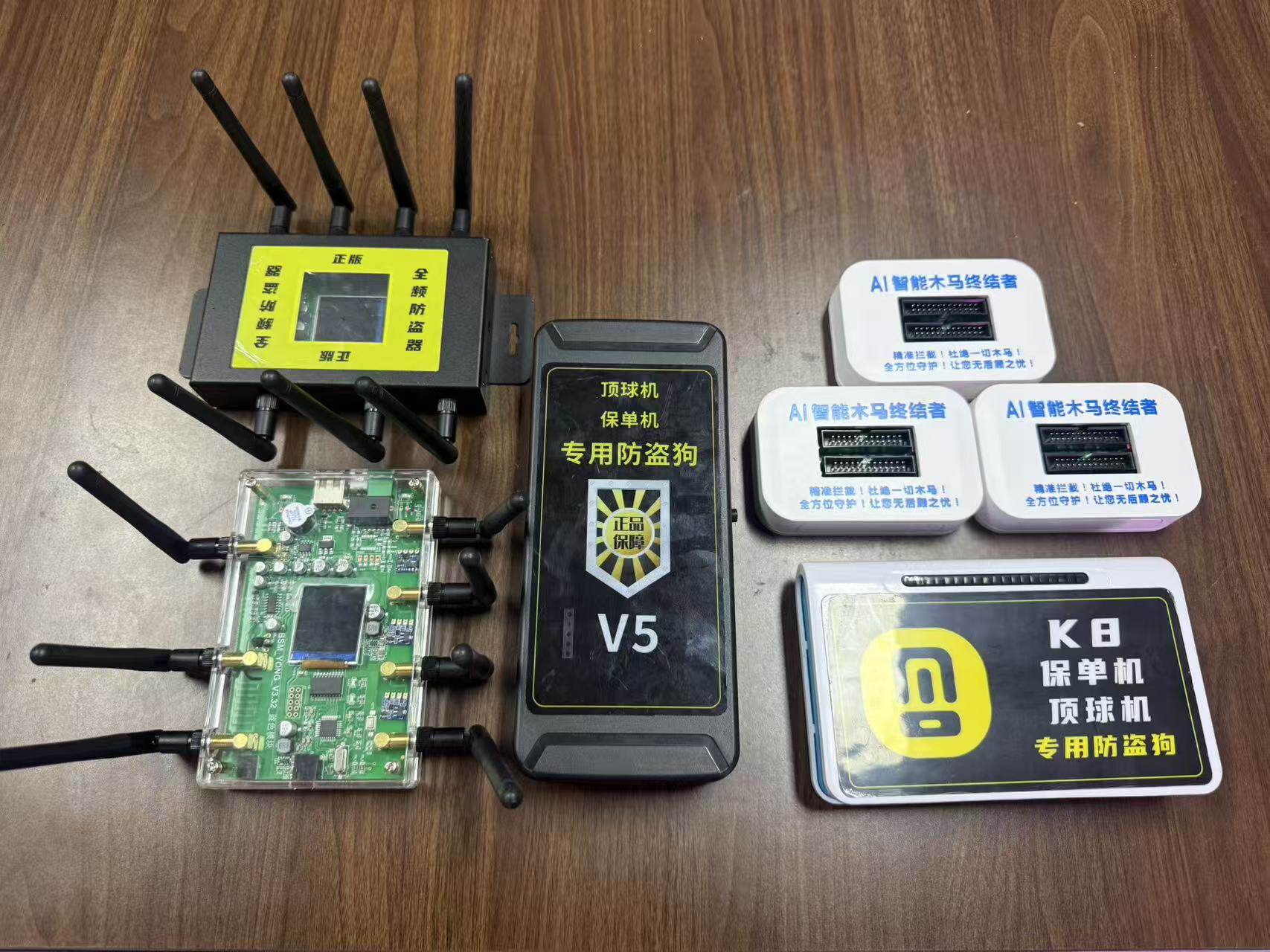
Despite decades of technological advancements in electronic payment systems, physical coin stringing (commonly known as yo-yo cheating) remains a persistent threat to arcade claw machines, coin pushers, and pinball tables. Perpetrators drill a tiny hole through a coin, attach ultra-thin monofilament fishing line, and drop the coin into the slot, bouncing it up and down across the sensor to generate dozens of free credits. Installing industrial arcade anti-cheat defense systems with dual optical direction sensing and anti-stringing cutters permanently eliminates this vulnerability.
Legacy coin doors rely on simple mechanical microswitches. As a coin drops through the chute, its weight pushes a wire actuator that closes electrical contacts. When a thief pulls the coin back upward on a line, the wire actuator trips a second time, registering an unbacked credit. For a comprehensive architectural overview and turnkey procurement frameworks, review our master guide on commercial arcade loss prevention guide.
Mechanical Mechanics of Coin Yo-Yo and Monofilament Stringing Attacks
Single-beam optical coin comparators are equally susceptible. Although they eliminate mechanical levers, a single infrared phototransistor cannot determine whether a coin is falling downward into the cashbox or being yanked back upward.
Modern industrial coin selectors defeat yo-yo cheating through dual-beam optical quadrature sensing. Two infrared optical emitter-receiver pairs are positioned vertically in the drop path, spaced millimeters apart.
Vulnerabilities of Legacy Microswitch Coin Comparators and Mechanical Chutes
When an authentic coin falls, it breaks the upper beam first, followed by the lower beam within a calibrated time window (typically 12ms to 25ms depending on gravity acceleration).
If the lower beam clears while the upper beam trips again—or if the transit duration exceeds normal freefall speed—the microcontroller identifies upward motion, cancels the credit pulse, and activates an internal alarm.
Dual Directional Infrared Optical Gate Detection and Timing Analysis
| Coin Entry Mechanism | Sensor Technology | Yo-Yo Stringing Resistance | Reaction Time | Recommended Application |
|---|---|---|---|---|
| Legacy Mechanical Chute | Single Microswitch Lever | Zero (Easily cheated with thread) | > 100ms (Mechanical) | Obsolete (Replace immediately) |
| Standard Electronic Comparator | Single Optical Phototransistor | Poor (Bypassed with fast jerk) | 30ms – 50ms | Low-stakes small redemption games |
| Dual Optical Anti-Yo-Yo Unit | Dual Quadrature IR Beams | High (Directional logic checks) | < 2ms (Microsecond detection) | Commercial claw cranes & pushers |
| Industrial Opto-Isolated Module | Dual IR + Active Solenoid Cutter | Impenetrable (Cuts string instantly) | < 1ms + Auto String Sever | High-traffic coin-op & skill games |
Furthermore, industrial coin selectors incorporate physical anti-stringing mechanisms. Curved S-bend coin chutes and spring-loaded anti-pull teeth trap the line, while high-end units deploy an active solenoid-driven blade that severs the monofilament string automatically.
To maintain optical reliability, technicians should perform monthly cleanings of the coin chute using compressed air and optical isopropyl wipes to prevent dust build-up from degrading phototransistor sensitivity.
Electronic Anti-Yo-Yo Cut-Off Blades and Directional Logic Interlocks
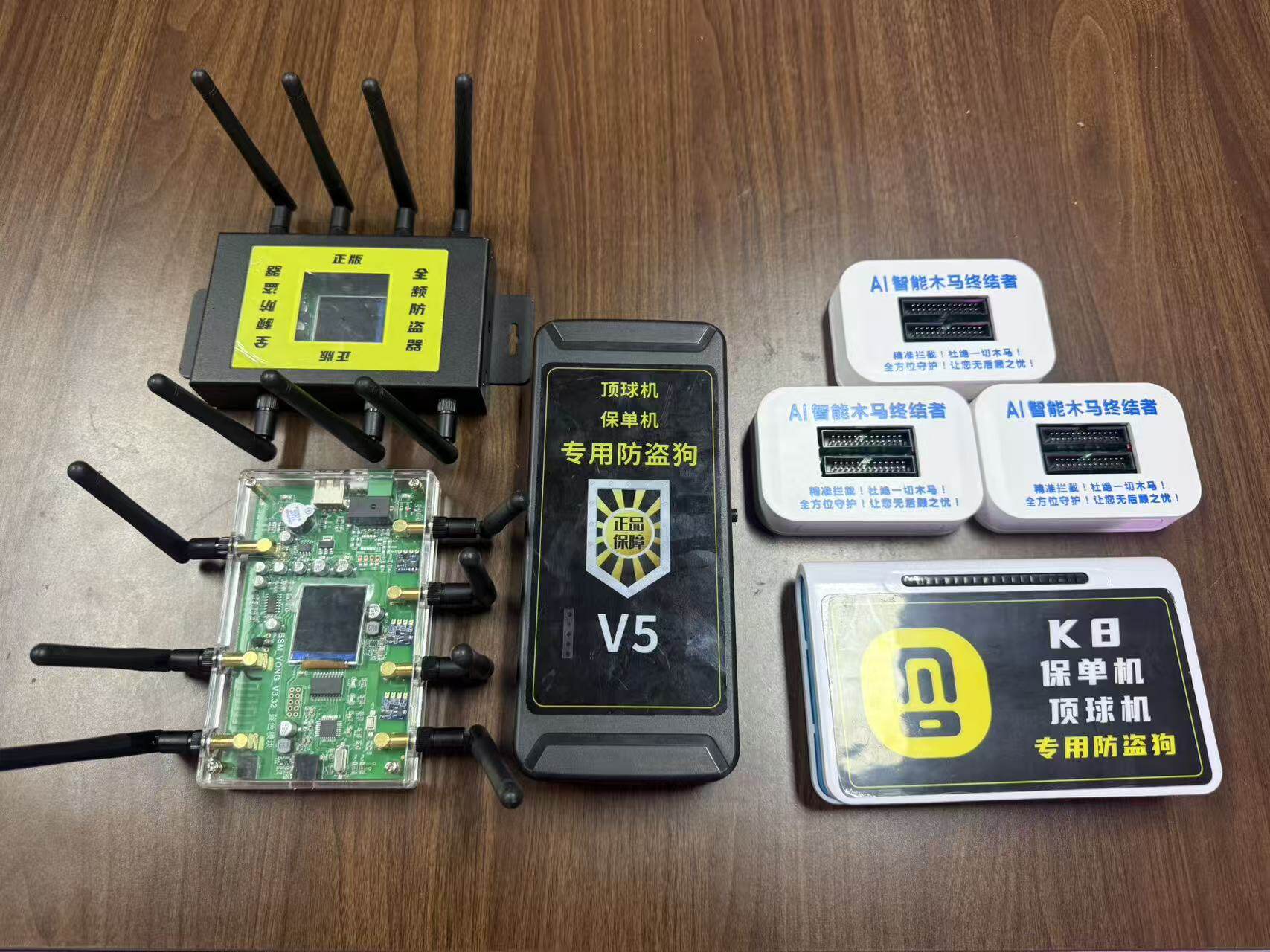
Replacing obsolete mechanical microswitch mechs with electronic dual-beam comparators costs under $25 per door and delivers an immediate return by eliminating daily coin theft.
Hardening your coin mechanisms with optical directional logic and mechanical string traps ensures that every credit played represents legitimate revenue in your vault.
Preventive Maintenance and Optical Sensor Cleaning SOP for Coin Doors
Replacing obsolete mechanical microswitch mechs with electronic dual-beam comparators costs under $25 per door and delivers an immediate return by eliminating daily coin theft.
Hardening your coin mechanisms with optical directional logic and mechanical string traps ensures that every credit played represents legitimate revenue in your vault.
Related Defense Systems and Anti-Cheat Resources
- bill validator fraud and stringing — Stopping physical and electronic currency retrieval attacks.
- wire-tap and pulse fraud — Hardware detection methods for pulse line tampering.
- zapper stun gun defense — Protecting coin doors and hoppers from electrical discharge attacks.