- Core Elements of an Effective Venue Anti-Cheat Security Protocol
- Daily Shift-Change Opening and Closing Inspection Checklists
- Staff Training on Identifying Covert RF Jammers and Sparker Tools
- Chain of Custody and Secure Meter Data Logging Practices
- Emergency Escalation Flowcharts for High-Value Payout Incidents
- Related Defense Systems and Anti-Cheat Resources
Even the most advanced security hardware is only as effective as the operational procedures governing its daily use. Without structured Standard Operating Procedures (SOP), staff overlook red flags, fail to cross-check audit meters, and unwittingly pay out thousands in fraudulent prize claims. Integrating comprehensive staff protocols with industrial arcade anti-cheat defense systems creates a resilient security culture that safeguards venue profitability.
A robust anti-cheat SOP begins with the morning opening checklist. Before doors open to the public, technicians must inspect every cabinet for broken tamper seals, test chassis ground continuity, and verify that all anti-cheat watchdog status LEDs show green. For a comprehensive architectural overview and turnkey procurement frameworks, review our master guide on AI Trojan Terminator and RF defense systems.
Core Elements of an Effective Venue Anti-Cheat Security Protocol
During operational hours, floor attendants must maintain active zone surveillance. Staff should be trained to recognize unnatural body language, such as players crowding around a coin door to shield an accomplice or resting smartphones directly over internal wiring looms.
A critical policy for every gaming venue is the High-Value Payout Verification Threshold. Any payout exceeding $300 or $500 must require a mandatory two-person sign-off involving a shift manager.
Daily Shift-Change Opening and Closing Inspection Checklists
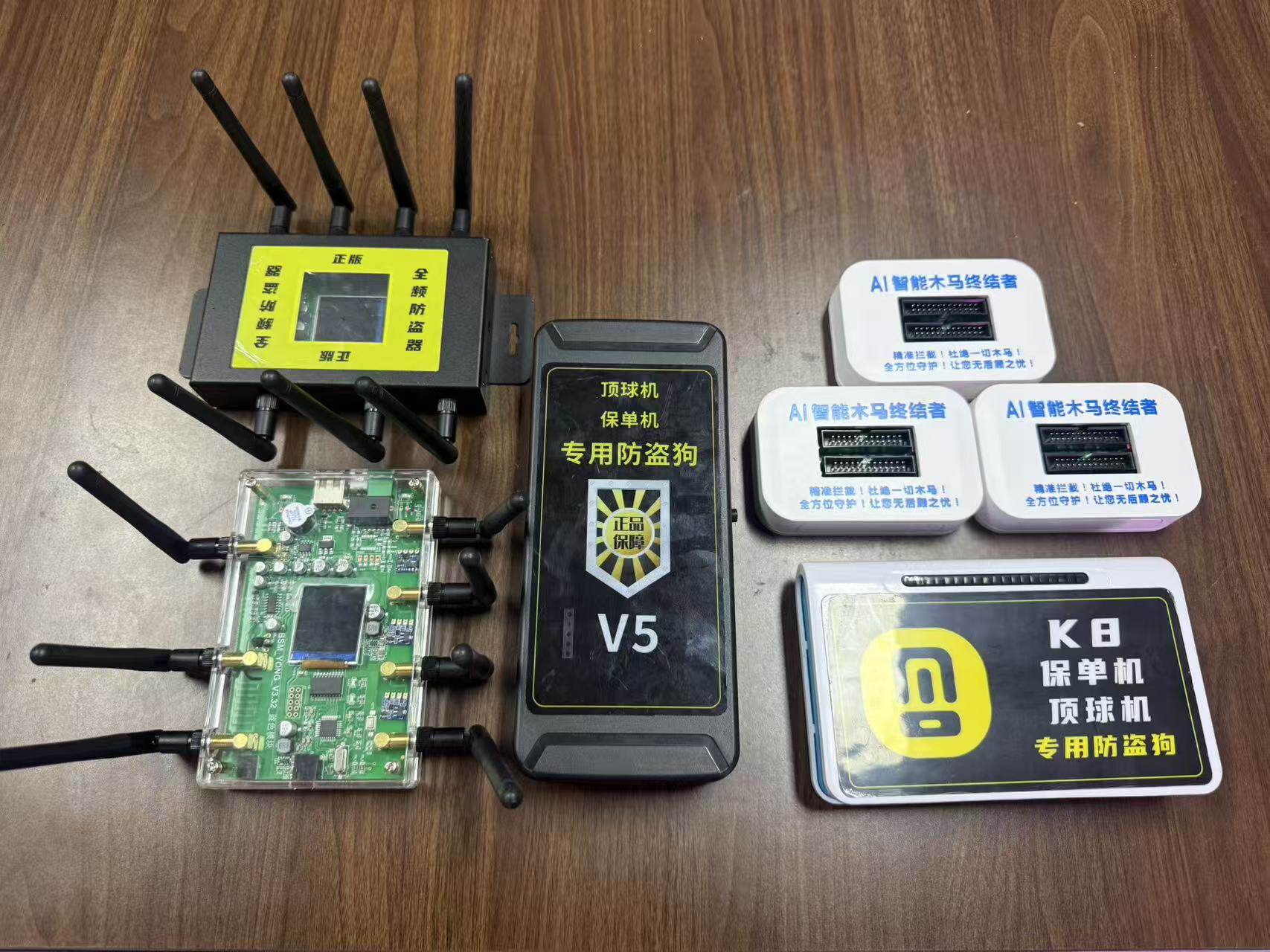
Before cash or prize redemption tickets are issued, the manager must inspect the cabinet’s internal watchdog status to confirm that no RF trip, voltage surge, or pulse timing violation occurred during the session.
At the end of each business day, management executes the Cash Reconciliation Protocol. Physical cash pulled from bill stackers is counted and entered into the master bookkeeping system alongside electronic meter reads.
Staff Training on Identifying Covert RF Jammers and Sparker Tools
| Operational Phase | Responsible Role | Security Checklist Tasks | Documentation Output | Frequency |
|---|---|---|---|---|
| Opening Audit | Morning Technician | Inspect cabinet seals, test ground prongs, verify watchdog LEDs | Signed Opening Security Log | Daily (Pre-Opening) |
| Floor Surveillance | Floor Attendants | Monitor glass placement, watch for rapid key-ins, check suspicious groups | Active Floor Incident Log | Continuous During Shift |
| High Payout Audit | Floor Manager | Verify cashbox vs meters for any payout > $500 before cash disbursement | Supervisor Verification Slip | Per Event (> $500) |
| Closing Reconciliation | General Manager | Compare master drop count to software bookkeeping, log variance | Daily Revenue Balancing Sheet | Nightly (Post-Closing) |
If a machine exhibits an unexplained meter discrepancy exceeding 0.5%, the cabinet must be immediately locked out and scheduled for a full technical audit before being returned to service.
All security incidents, alarm activations, and hardware faults must be logged in a centralized digital incident registry, including timestamps, machine IDs, and staff signatures.
Chain of Custody and Secure Meter Data Logging Practices
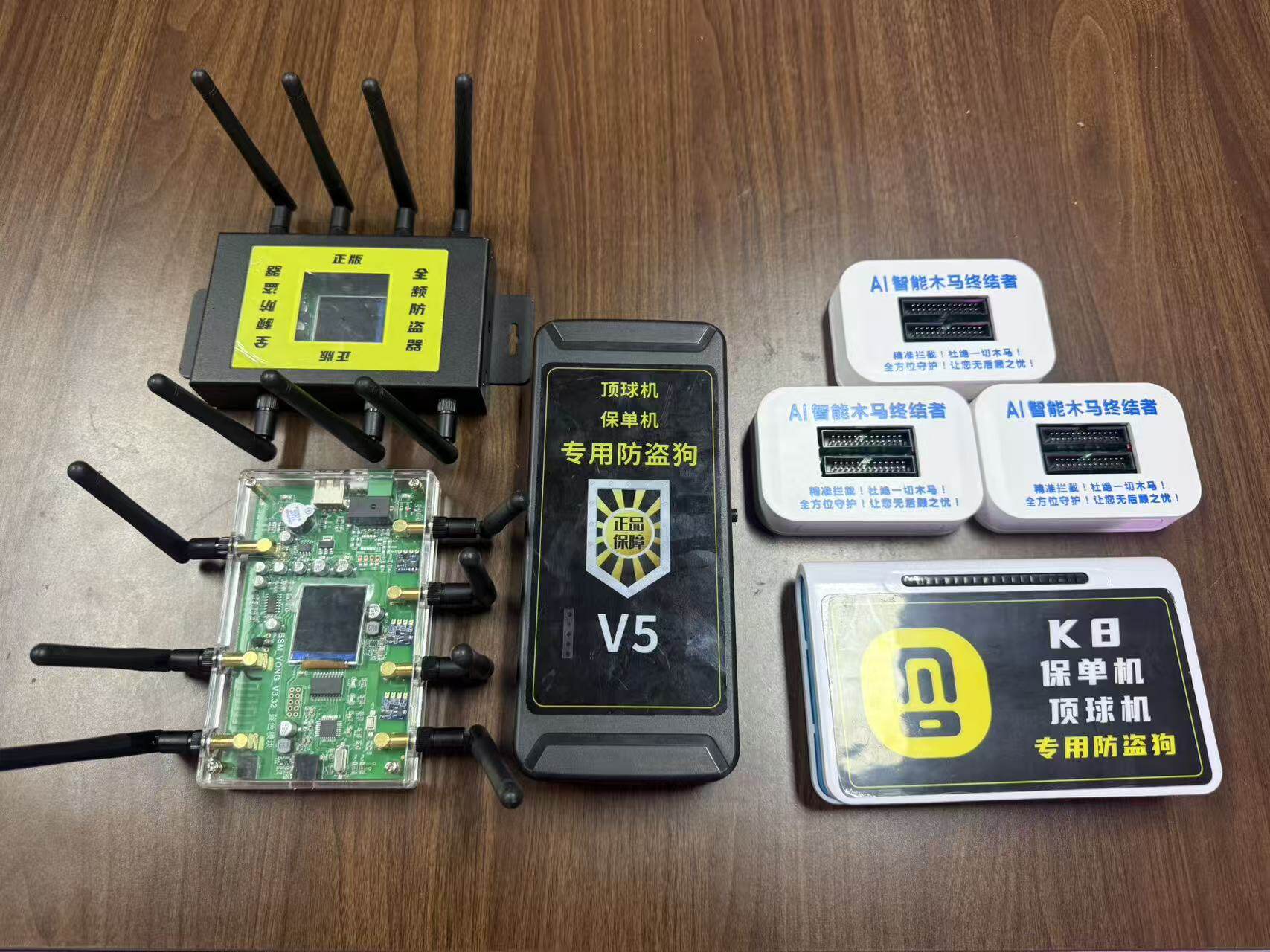
Conduct quarterly refresher training for all floor staff, reviewing new cheating tactics and testing employee reaction times during simulated alarm drills.
A disciplined operational SOP transforms your staff into an active defense team, ensuring total protection of your venue’s gaming assets.
Emergency Escalation Flowcharts for High-Value Payout Incidents
Conduct quarterly refresher training for all floor staff, reviewing new cheating tactics and testing employee reaction times during simulated alarm drills.
A disciplined operational SOP transforms your staff into an active defense team, ensuring total protection of your venue’s gaming assets.
Related Defense Systems and Anti-Cheat Resources
- confronting suspected cheaters — Professional verbal scripts and de-escalation protocols for floor staff.
- daily cash reconciliation SOP — Catching electronic cheating losses early through daily meter balancing.
- auditing arcades in under an hour — Fast systematic revenue and meter auditing SOP for floor managers.