- Vulnerabilities of Unprotected Commercial Bill Acceptor Interfaces
- Circuit Architecture of In Line Anti Tamper Pulse Conditioning Modules
- Optical Isolation and Reverse Current Protection Against Test Probes
- Physical Cash Box Interlocks and Microswitch Enclosure Sensors
- Installation and Calibration SOP for ICT Pyramid and MEI Acceptors
- Related Defense Systems and Anti-Cheat Resources
Commercial arcade operators frequently ask whether dedicated hardware solutions exist to secure bill acceptors against electronic tampering and wire taps. Because the bill validator is the primary gateway for physical cash entering a machine, it is the most heavily targeted component on the game floor. Installing certified industrial arcade anti-cheat defense systems equipped with in-line pulse conditioning and optical isolation provides impenetrable security for all standard bill validator models.
Unprotected bill validators connect directly to the machine’s mainboard via a three- or four-wire harness carrying 12V DC power, ground, and credit pulse signals. Thieves exploit this simple interface by using vampire clips, pulse generators, or high-voltage sparkers to force credit registration without inserting money. For a comprehensive architectural overview and turnkey procurement frameworks, review our master guide on EMP jammer shielding and surge protection.
Vulnerabilities of Unprotected Commercial Bill Acceptor Interfaces
Dedicated in-line anti-tampering boards solve this vulnerability by functioning as active hardware firewalls. Installed between the bill acceptor harness and the game board, the device conditions every electrical signal passing through the interface.
The module’s input stage features high-speed TVS diodes that absorb static discharges and EMP sparks up to 15,000 volts, clamping overvoltages safely to ground in less than 5 picoseconds.
Circuit Architecture of In Line Anti Tamper Pulse Conditioning Modules
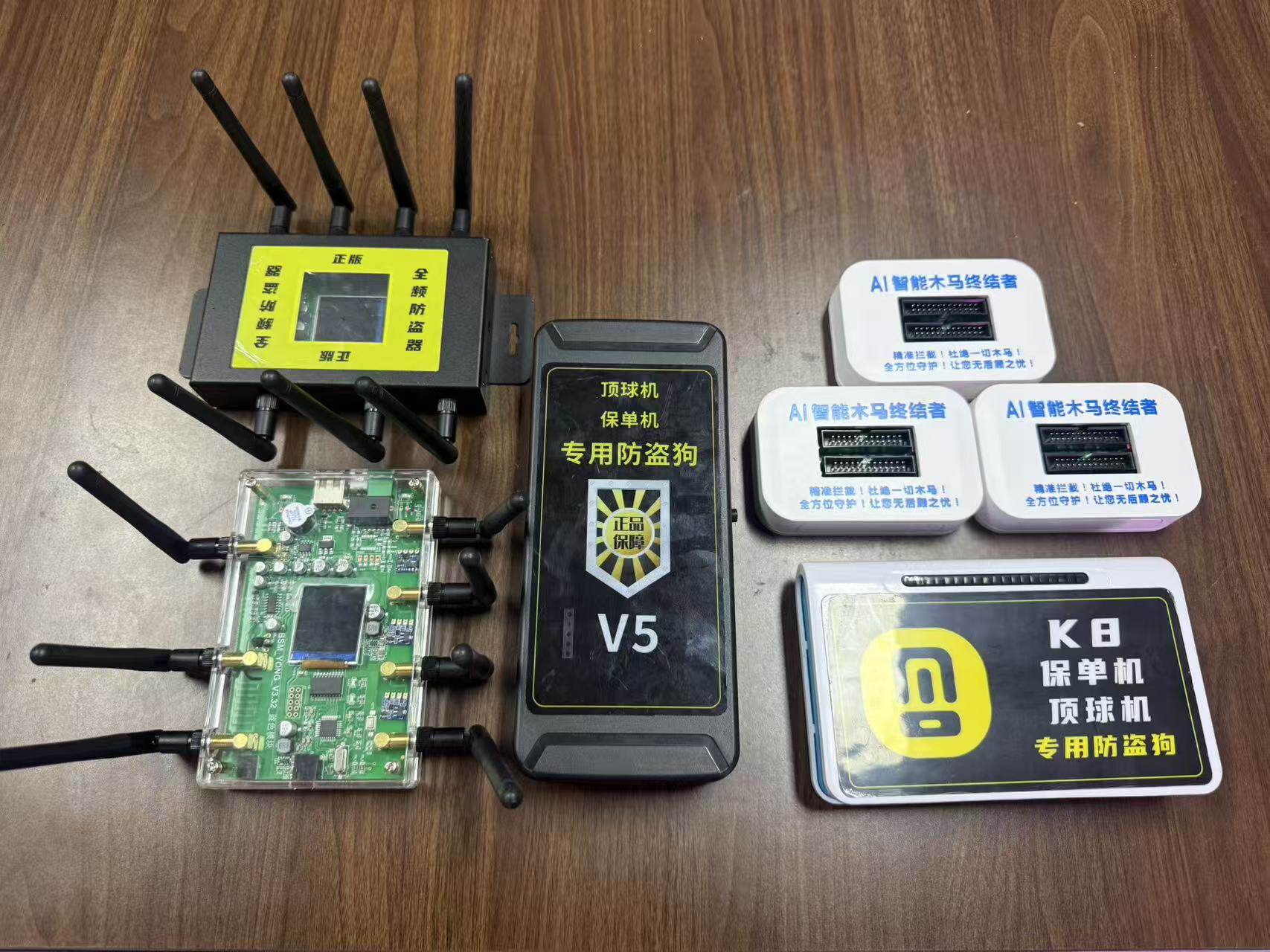
Behind the surge protection stage, a high-speed optical isolator breaks the physical electrical connection between the validator and the game motherboard, establishing a 2,500V dielectric barrier that prevents ground-loop manipulation.
An onboard microcontroller analyzes incoming pulse streams. If an attacker attempts to inject rapid synthetic pulses or alter the duty cycle, the module rejects the signal and activates a localized tamper relay.
Optical Isolation and Reverse Current Protection Against Test Probes
| Protection Layer | Monitored Parameter | Trigger Condition | Isolation Level | Hardware Response |
|---|---|---|---|---|
| Pulse Conditioning Stage | Pulse Width & Duty Cycle | Pulse <40ms or >60ms | Galvanic Optical Barrier | Instantly drops invalid pulse |
| Voltage Surge Clamp | Line DC Voltage Spikes | Voltage > 14.5V DC | Bidirectional TVS Diodes | Clamps surge to ground in <5ps |
| Enclosure Interlock | Cashbox Bezel Microswitch | Physical bezel detachment | Mechanical Spring Switch | Trips alarm & cuts mainboard power |
| Impedance Monitor | Harness Loop Resistance | Wire tap / card-head contact | Analog Comparator Circuit | Latches security lockout relay |
Physical security is enhanced with cabinet enclosure microswitches. If a thief attempts to pry the bill validator bezel away from the cabinet chassis, the interlock switch trips, sounding an audible alarm and notifying staff.
Wiring is completely plug-and-play. Technicians simply unplug the validator harness from the game board, connect it to the anti-tamper module, and plug the module’s output into the original connector.
Physical Cash Box Interlocks and Microswitch Enclosure Sensors
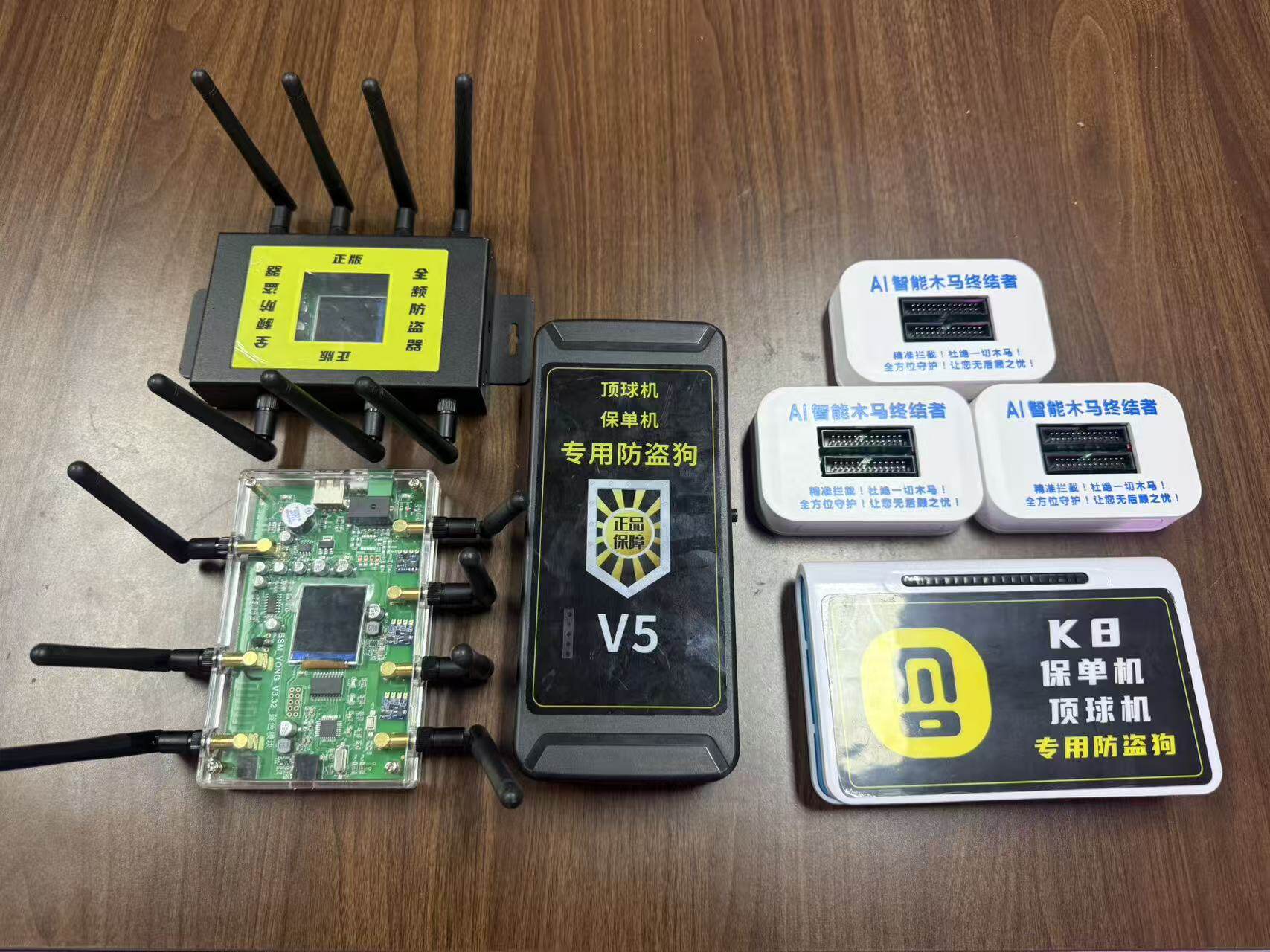
Deploying in-line anti-tamper modules across your cabinet fleet eliminates validator fraud, protects expensive validator logic boards from electrical burnout, and guarantees accurate revenue reporting.
Investing in dedicated bill acceptor security hardware ensures that every credit registered on your gaming floor corresponds to verified cash safely stored in your vault.
Installation and Calibration SOP for ICT Pyramid and MEI Acceptors
Deploying in-line anti-tamper modules across your cabinet fleet eliminates validator fraud, protects expensive validator logic boards from electrical burnout, and guarantees accurate revenue reporting.
Investing in dedicated bill acceptor security hardware ensures that every credit registered on your gaming floor corresponds to verified cash safely stored in your vault.
Related Defense Systems and Anti-Cheat Resources
- card-head and wire-tap point stealing — Hardware detection methods for pulse line tampering.
- bill validator fraud and stringing — Stopping physical and electronic currency retrieval attacks.
- anti-cheat hardware specifications — Decoding technical parameters and electrical durability standards.