- Security Vulnerabilities of 24/7 Unattended Self-Service Game Venues
- Automated Lockdown Systems with Solid-State Power Interruption
- Remote Cellular Telemetry and Instant Tamper Alert Architecture
- Physical Cabinet Hardening and Microswitch Enclosure Supervision
- Preventive Maintenance and Remote Health Monitoring SOP
- Related Defense Systems and Anti-Cheat Resources
Unattended self-service gaming locations—including 24/7 laundromats, hotel game rooms, automated route kiosks, and convenience store parlors—offer high earning potential with low labor overhead. However, operating without on-site floor staff creates immense security risks. Cheating syndicates deliberately target unattended venues, using portable EMP jammers, physical wire taps, and crowbars with zero fear of immediate confrontation. Installing industrial arcade anti-cheat defense systems with autonomous lockdown capabilities and cellular telemetry is vital to protecting unattended route investments.
In unattended environments, an anti-cheat system cannot rely on staff to hear an alarm buzzer and intervene. The security hardware must be fully autonomous, capable of detecting attacks, neutralizing electrical surges, and locking down machine functions independently. For a comprehensive architectural overview and turnkey procurement frameworks, review our master guide on commercial arcade loss prevention guide.
Security Vulnerabilities of 24/7 Unattended Self-Service Game Venues
When an attacker discharges a high-voltage EMP sparker or attempts synthetic pulse injection, the industrial module’s solid-state switch disconnects the coin-in and payout lines in less than 8 milliseconds.
Simultaneously, the module triggers a complete machine lockout, disabling the video output or asserting an error screen that prevents further gameplay.
Automated Lockdown Systems with Solid-State Power Interruption
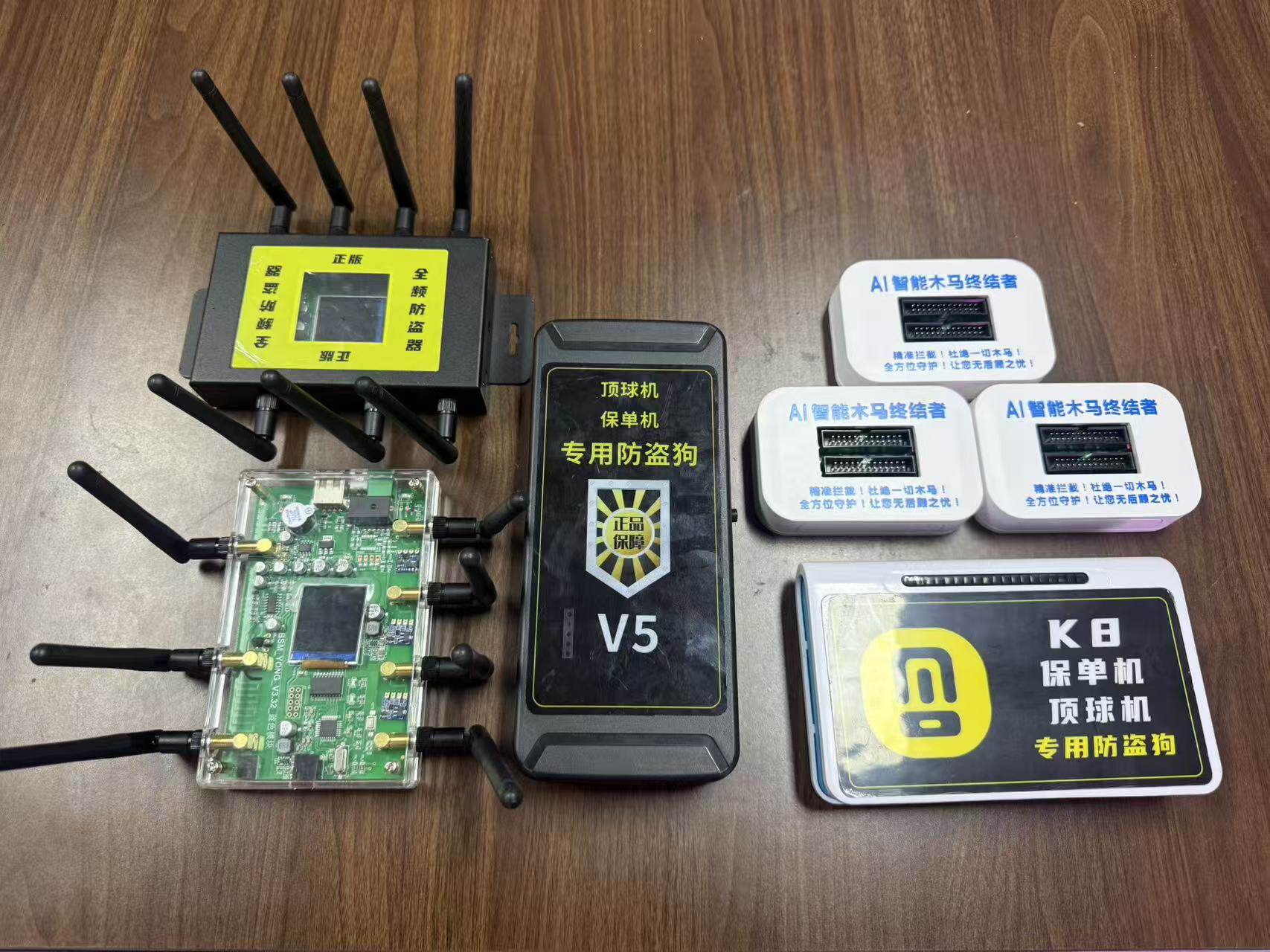
The module’s integrated 4G/LTE cellular modem immediately dispatches an encrypted telemetry alert to the operator’s smartphone, detailing the machine ID, exact microsecond timestamp, and attack classification (RF surge, pulse timing fault, or door breach).
Physical cabinet hardening is an indispensable second layer of defense. All access panels, coin boxes, and bill validator doors must be fitted with supervised microswitch interlocks.
Remote Cellular Telemetry and Instant Tamper Alert Architecture
| Threat Category | Unattended Vulnerability | Attack Technique | Automated Hardware Response | Operator Notification |
|---|---|---|---|---|
| Covert EMP Sparker | No floor staff watching | Discharges sparker against coin door | TVS clamps surge in <5ps & locks coin line | Instant SMS / Email alert with timestamp |
| Physical Cabinet Prying | Extended privacy in off-hours | Crowbar attack on service door | Chassis microswitch trips emergency cutoff | High-decibel local siren & silent alarm |
| Wire-Tap Probe | Unmonitored bill validator | Needle probe into pulse harness | Impedance monitor drops synthetic pulse | Cloud dashboard flags machine fault |
| Power Glitch Reset | Access to AC power cord | Rapid power cycle to force glitch | Power supervisor IC holds boot state 10s | System log records brownout event |
If a thief attempts to pry open a door or detach the bill validator bezel, the interlock trips, cutting power to internal logic and initiating an immediate security broadcast.
All internal wiring harnesses must be enclosed in flexible stainless steel conduit, preventing needle probes or vampire taps from penetrating insulation.
Physical Cabinet Hardening and Microswitch Enclosure Supervision
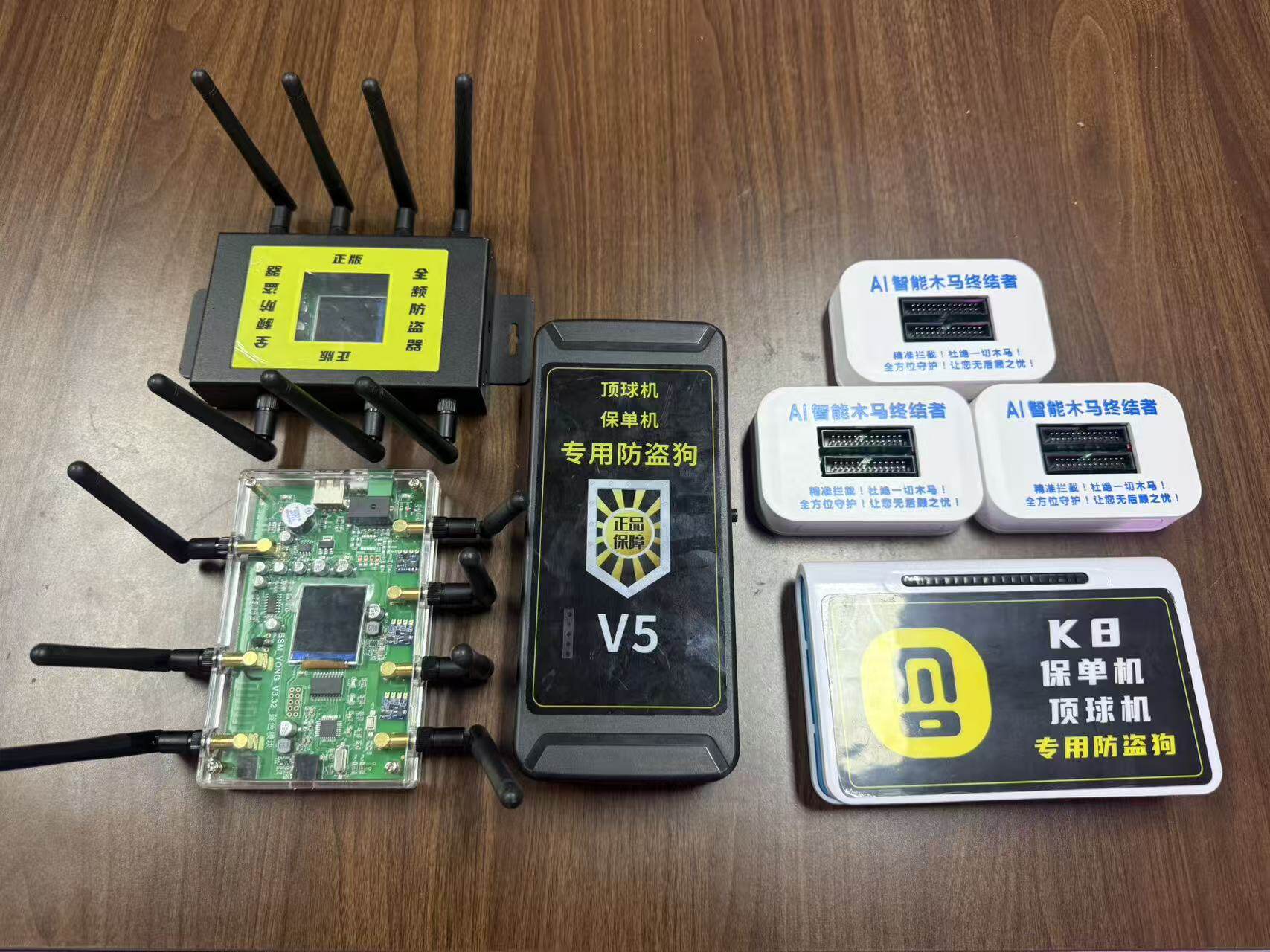
Route operators should review daily cloud telemetry logs, cross-referencing automated meter reads against remote cashbox audits to spot subtle anomalies early.
Deploying autonomous, cellular-connected anti-cheat hardware transforms vulnerable unattended machines into self-defending, highly profitable automated revenue centers.
Preventive Maintenance and Remote Health Monitoring SOP
Route operators should review daily cloud telemetry logs, cross-referencing automated meter reads against remote cashbox audits to spot subtle anomalies early.
Deploying autonomous, cellular-connected anti-cheat hardware transforms vulnerable unattended machines into self-defending, highly profitable automated revenue centers.
Related Defense Systems and Anti-Cheat Resources
- gas station bartop security — Securing unattended commercial cabinets in convenience stores.
- remote monitoring for arcade chains — Spotting cheating patterns across multi-store operations.
- bartop and wall-mount game security — Protecting compact, small-footprint gaming machines.
Industrial Hardening Architecture for Unattended Route Operations
Deploying gaming cabinets in 24/7 unattended retail, gas station, and convenience laundromat routes presents an asymmetric security threat vector. Without floor attendants or cashier oversight, malicious syndicates employ multi-stage physical and electronic exploits including RF frequency jamming, magnetic sensor spoofing, and optical pulse injection on bill validators. To achieve true unattended operational resilience, hardware architecture must establish a multi-layered defense envelope starting at the AC main input and terminating at the cryptographic secure boot boundary.
| Vulnerability Vector | Exploit Mechanism | Industrial Hardware Countermeasure | Response Latency |
|---|---|---|---|
| EMP Spark Injection | High-voltage piezo/arc discharge across coin bezel | Transient Voltage Suppressor (TVS) Diode Clamping (<5ps) | < 5 picoseconds |
| RF Remote Spoofing | 315MHz / 433MHz / 868MHz payload injection | Dynamic RF Spectrum Analyzer with Auto-Trip Relay | < 15 milliseconds |
| Pulse Train Fraud | Wire-tap signal mirroring on bill validator lines | Dual-Channel Optical Isolator with CRC Checksum | Zero-delay physical barrier |
| Physical Cabinet Tamper | Prying cashbox enclosure or vibration drilling | 3-Axis MEMS Accelerometer with Silent Cloud Alarm | < 80 milliseconds |
Power Rail Surge Clamping and Transient Grounding Topologies
Unattended gaming routes frequently suffer from dirty electrical mains in strip malls and industrial parks. Power line transients, combined with intentional high-frequency EMP generator strikes, easily blow sensitive 3.3V logic gates on unprotected microcontrollers. Our enterprise anti-theft watchdogs integrate dual gas discharge tubes (GDT) and multi-stage metal oxide varistors (MOV) capable of absorbing surge currents up to 20,000 Amperes. Grounding isolation topology separates the noisy chassis earth from sensitive PCB digital logic ground, preventing high-frequency common-mode noise from triggering false coin credits or resetting the mainboard program counter.
Automated Remote Telemetry and Incident Response Protocol
When an unauthorized signal anomaly is detected in an unattended unit, the watchdog executes a deterministic four-tier escalation sequence: First, it immediately isolates the bill validator and coin acceptor data lines via solid-state relays in under 1 millisecond. Second, it sends a high-priority encrypted MQTT telemetry packet via dual SIM 4G LTE failover to the operator backoffice. Third, it locks the payout logic and forces the video display into an administrative audit lock screen. Fourth, it triggers high-decibel local acoustic strobe deterrents if physical perimeter breach sensors are tripped.
For custom security hardware procurement and factory route integration, explore our core technical specifications on Arcade Machine Security and Anti-Cheat Hardware Defense or contact Engineer Wang on WhatsApp +86 17620842078.