- Anatomy of Bill Stringing and Physical Currency Retrieval Tactics
- Electronic Fake Pulse Generators and Frequency Injection Modules
- Optically Isolated Pulse Conditioning and Anti-Stringing Snubbers
- Upgrading from Legacy Pulse Protocol to Encrypted Serial Handshakes
- Daily Cash Stacker Audit SOP for Detecting Unbacked Credits
- Related Defense Systems and Anti-Cheat Resources
Bill acceptor fraud continues to drain thousands of dollars from commercial gaming operators every year. Attackers exploit legacy pulse protocols using two primary techniques: mechanical bill stringing (attaching clear tape to yank banknotes back out of the validator throat) and electronic fake-pulse injection (using 555-timer circuits to pump synthetic credits into the machine). Installing industrial arcade anti-cheat defense systems with intelligent pulse validation and mechanical snubber integration is essential to stopping cashbox theft.
In a bill stringing attack, the perpetrator feeds a taped $100 bill into the validator. As the note passes the optical reading head, the validator fires its credit pulse line. Before the drive belts pull the bill into the locked cashbox, the attacker jerks the string, retrieving the cash while retaining the credited points. For a comprehensive architectural overview and turnkey procurement frameworks, review our master guide on EMP jammer shielding and surge protection. For factory-direct procurement and comprehensive engineering specs, consult our master guide on AI Trojan elimination and multi band EMP jammer defense.
Anatomy of Bill Stringing and Physical Currency Retrieval Tactics
Electronic pulse fraud is even more destructive. Attackers use miniature battery-powered signal generators connected to the credit wire harness, generating hundreds of synthetic pulses in seconds without inserting any physical media.
To defeat mechanical stringing, operators should deploy modern bill validators equipped with dual anti-pull steel snubber teeth and multi-channel reverse optical sensors that detect retrograde banknote motion.
Electronic Fake Pulse Generators and Frequency Injection Modules
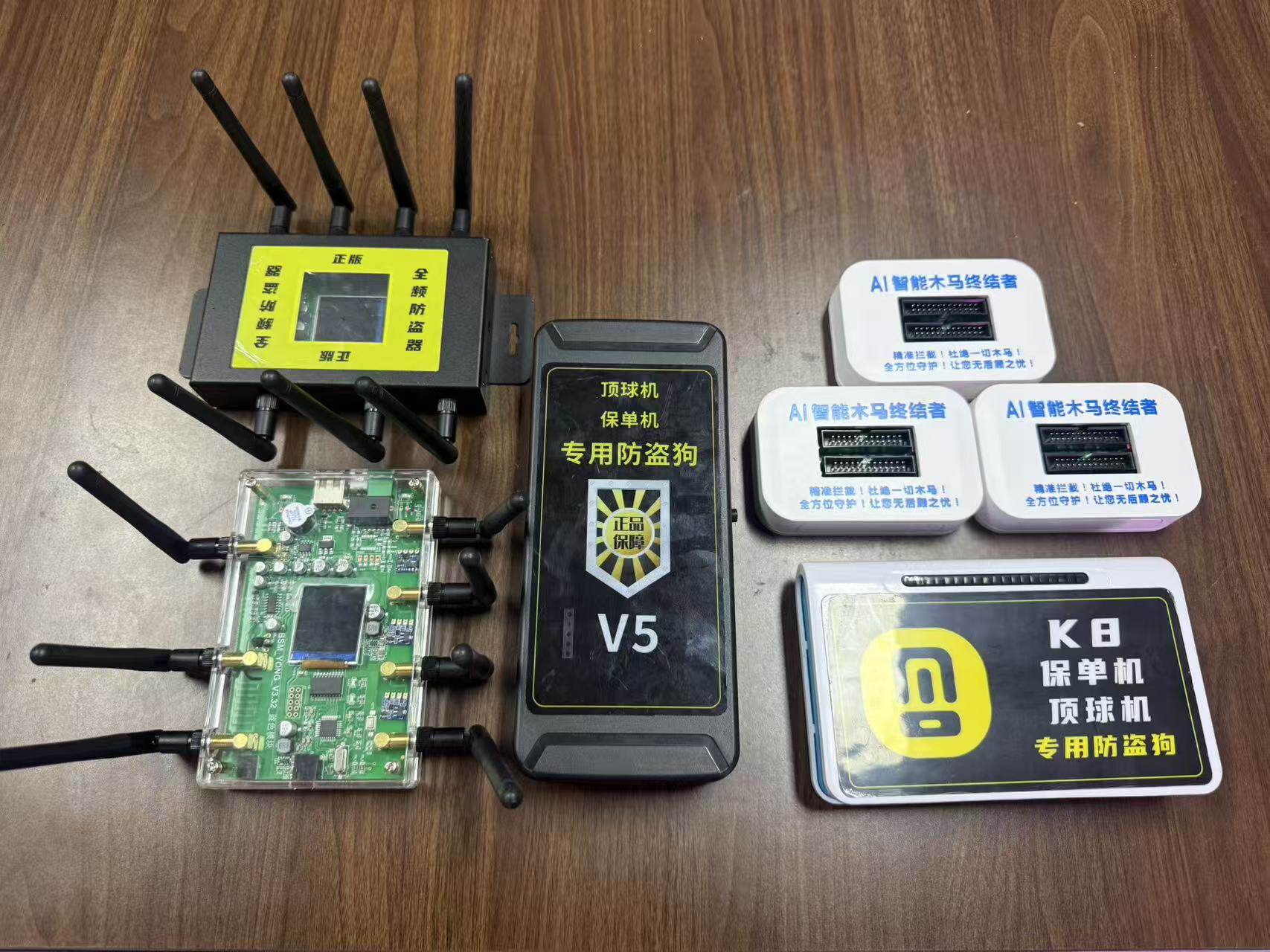
If backward movement is detected, the validator’s onboard microcontroller aborts the transaction, locks the feed belts, and asserts a tamper fault on its alarm output.
To eliminate electronic pulse injection, industrial anti-cheat modules act as active pulse gatekeepers. The module continuously samples pulse width, duty cycle, and voltage transitions against strict factory parameters.
Optically Isolated Pulse Conditioning and Anti-Stringing Snubbers
| Validator Fraud Vector | Mechanical / Electronic Tool | Attack Objective | Vulnerable Protocol | Hardware Countermeasure |
|---|---|---|---|---|
| Bill Stringing / Yo-Yo | Mylar tape attached to bill | Retrieve banknote after credit registered | Standard pulse line with slow optical gate | Mechanical anti-pull teeth & reverse optical sensor |
| Fake Pulse Generator | 555-Timer Micro-Circuit | Inject continuous high-speed credits | Unfiltered parallel pulse line | Pulse-width timing filter (<10ms tolerance) |
| Photodiode Blinding | High-power IR Laser Pointer | Force validator optical sensor high | Analog optical sensors | Modulated IR optical arrays with parity checks |
| Power Glitch Reset | Inline DC ground interruptor | Trigger reset mid-stack cycle | Unregulated 12V power rail | TVS diode surge protection & power supervisor IC |
When an illegal pulse sequence or non-standard frequency is detected, the module’s high-speed optical switch disconnects the pulse line in less than 5 microseconds, preventing the credit from reaching the game mainboard.
Whenever feasible, operators should migrate machines from legacy parallel pulse wiring to encrypted RS-232 serial or ccTalk protocols, which require cryptographic handshakes that cannot be replicated with simple wire taps.
Upgrading from Legacy Pulse Protocol to Encrypted Serial Handshakes
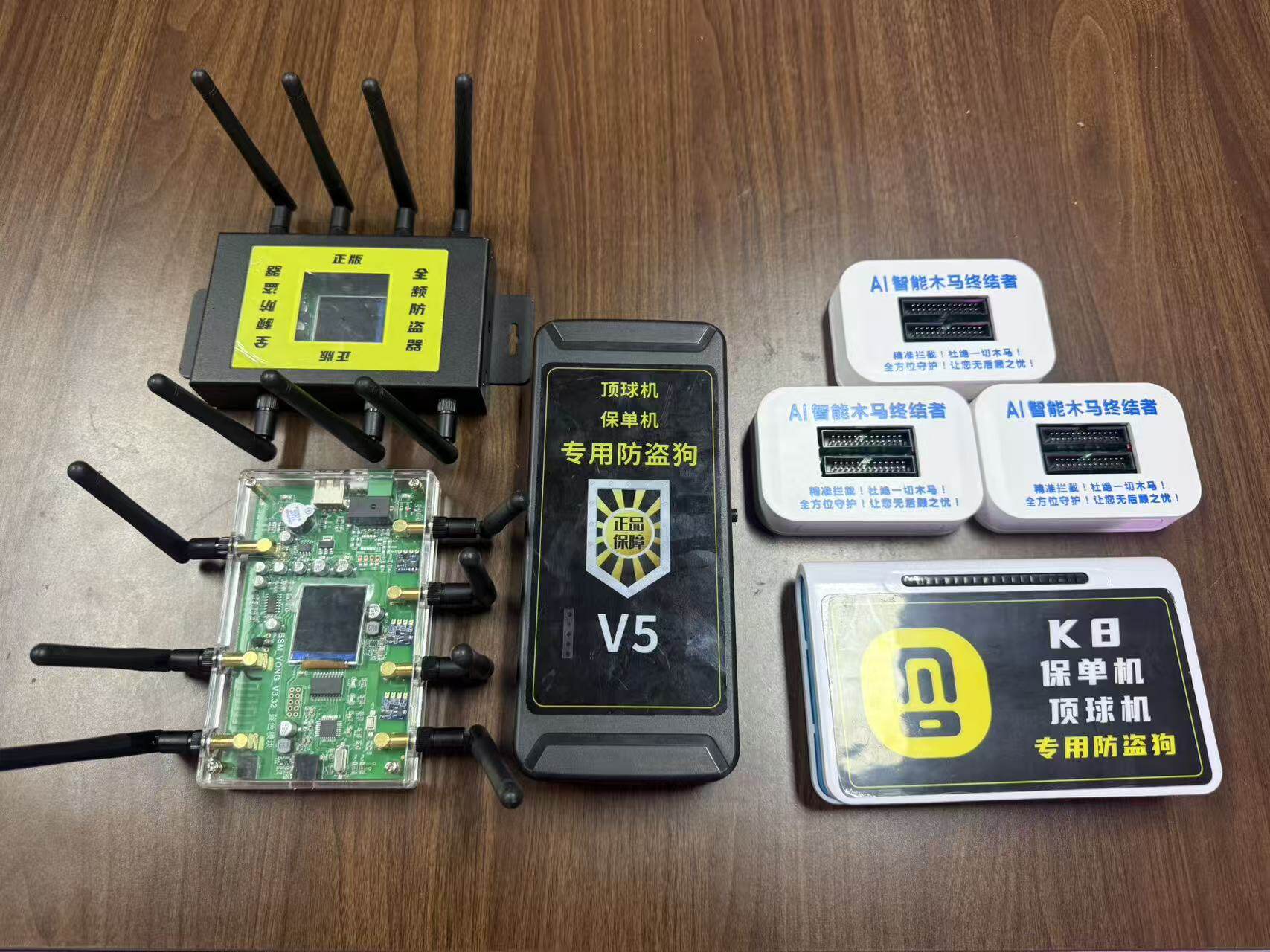
Daily reconciliation protocols must include checking validator error logs for optical jam counts and cross-referencing physical cash with internal game meters.
Hardening your bill validation infrastructure ensures that every dollar credited on screen corresponds to real, unrecoverable cash securely deposited in your cashbox.
Daily Cash Stacker Audit SOP for Detecting Unbacked Credits
Daily reconciliation protocols must include checking validator error logs for optical jam counts and cross-referencing physical cash with internal game meters.
Hardening your bill validation infrastructure ensures that every dollar credited on screen corresponds to real, unrecoverable cash securely deposited in your cashbox.
Related Defense Systems and Anti-Cheat Resources
- card-head and wire-tap point stealing — Hardware detection methods for pulse line tampering.
- anti-tampering devices for bill validators — Hardware protection modules for cash validation mechanisms.
- coin stringing fraud — Mechanical and optical defenses against physical coin fraud.