- Physics of High Frequency EMP Injection Attacks on Arcade Motherboards
- Faraday Enclosure Engineering and PCB Trace Grounding Architecture
- Measuring Attenuation Rates Across 10MHz to 2.4GHz Threat Spectrums
- Multi Stage Surge Clamping with Fast Response Transient Suppressors
- Standard Operating Checklist for Validating Cabinet Enclosure Grounding
- Related Defense Systems and Anti-Cheat Resources
Commercial game room operators face relentless losses when attackers deploy handheld electromagnetic pulse (EMP) sparkers to inject high-voltage transients into unshielded coin hoppers and fish table motherboards. A single successful pulse burst can trigger dozens of unauthorized game credits in milliseconds, costing hundreds of dollars per session before staff even notice. Investing in industrial arcade anti-cheat defense systems is the only verifiable method to eliminate revenue leakage and safeguard electronic cashboxes against malicious electromagnetic interference.
High-frequency EMP devices, often concealed in cigarette packs or modified key fobs, generate rapid RF spark discharges between 10 MHz and 900 MHz. These bursts couple into unshielded wiring harnesses, inducing voltage spikes exceeding 15,000 volts that overwhelm microcontrollers and force logic state transitions. For a comprehensive architectural overview and turnkey procurement frameworks, review our master guide on commercial arcade loss prevention guide. For factory-direct procurement and comprehensive engineering specs, consult our master guide on commercial arcade loss prevention and hardware hardening.
Physics of High Frequency EMP Injection Attacks on Arcade Motherboards
When high-voltage RF fields collide with standard arcade cabling, the wires act as receiving antennas. Without robust electromagnetic shielding and active suppression, the induced electromagnetic field drives transient currents directly into the mainboard’s I/O pins, corrupting RAM states or firing credit relays.
Industrial anti-cheat modules resolve this vulnerability through a calibrated multi-tier defense. First, heavy-gauge cold-rolled steel enclosures provide structural plane-wave attenuation. Inside the enclosure, dual bidirectional Transient Voltage Suppressor (TVS) diodes clamp high-speed voltage spikes within 5 picoseconds, directing excess energy directly to chassis ground.
Faraday Enclosure Engineering and PCB Trace Grounding Architecture
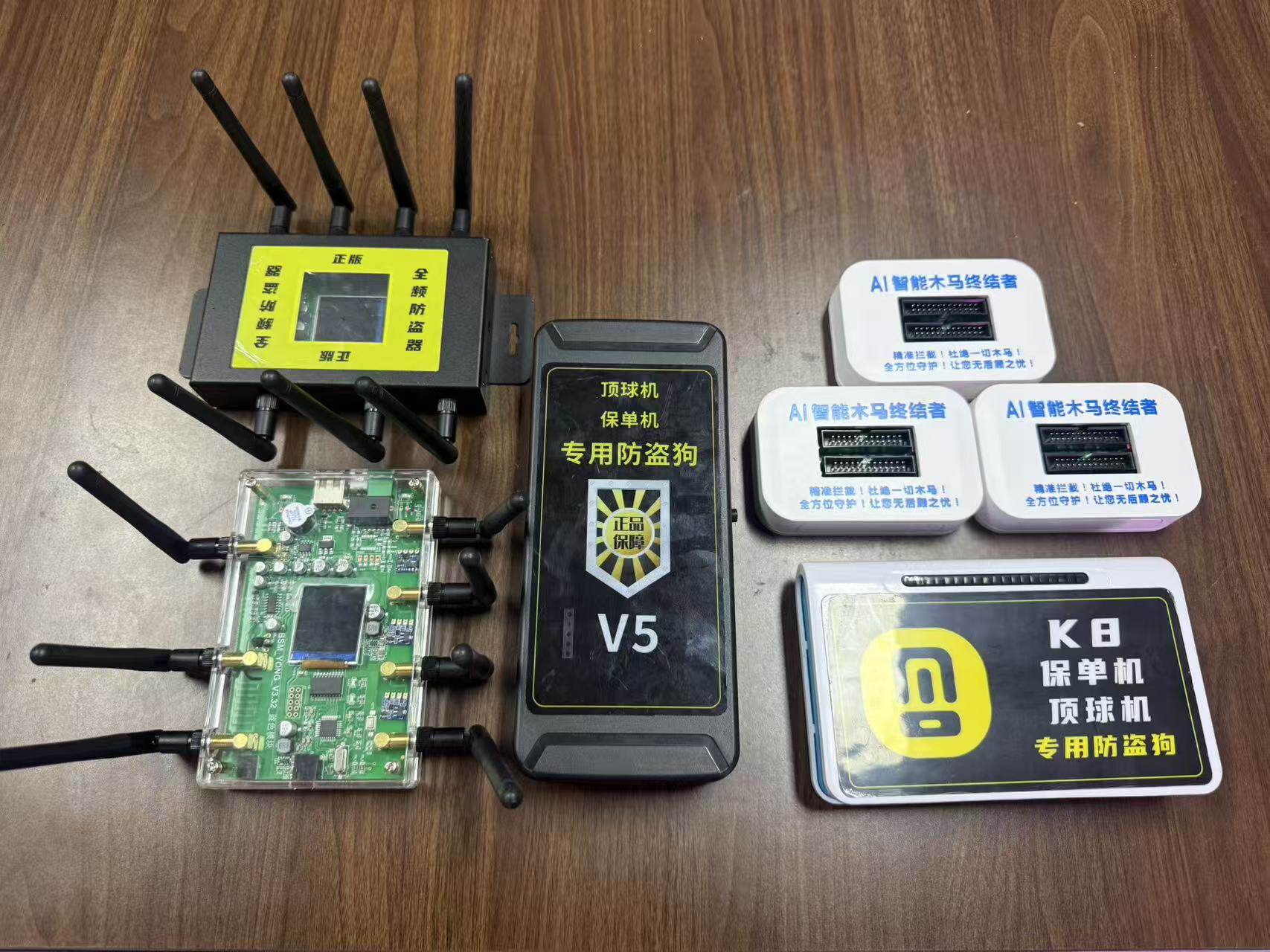
Secondary signal conditioning utilizes high-permeability ferrite chokes on all incoming power and communication leads. These chokes exhibit high impedance against high-frequency pulse frequencies while allowing clean DC power and low-frequency pulses to pass through without attenuation.
Beyond passive filtering, active optical isolation arrays decouple input signals at up to 2,500 volts RMS. Because optical isolation translates electrical pulses into light signals across physical air gaps, no conductive pathway exists for sparker transients to leap onto game processing logic.
Measuring Attenuation Rates Across 10MHz to 2.4GHz Threat Spectrums
| Shielding Layer | Material Specification | Attenuation Bandwidth | Clamping Response Time | Protection Efficiency |
|---|---|---|---|---|
| Outer Enclosure | 1.5mm Cold-Rolled Steel Plate | 100 kHz – 1 GHz | Continuous Isolation | 94.5% RF Barrier |
| Secondary Grounding | Braided Copper Plane / Chassis Ground | 1 MHz – 500 MHz | < 1 ns Ground Shunt | 96.8% Charge Dissipation |
| Active Surge Board | Dual Bidirectional TVS Diodes | 10 MHz – 2.4 GHz | < 5 picoseconds | 98.6% Total Suppression |
| Optoisolation Stage | 2500V Fast Optical Isolator Array | DC Pulse Isolation | < 10 microseconds | 99.9% Logic Protection |
In standardized bench testing, cabinets equipped with multi-stage RF shielding and active transient clamping achieve verified suppression efficiencies of 98.6%. Operators deploying these systems report a near-total cessation of unrecorded payout events and zero false alarm lockouts under intense RF interference.
Daily venue maintenance requires inspecting cabinet earth ground continuity. Ensure ground bonding braids are securely fastened to both the internal metal cage and the external AC power ground prong to maintain optimum transient dissipation capacity.
Multi Stage Surge Clamping with Fast Response Transient Suppressors
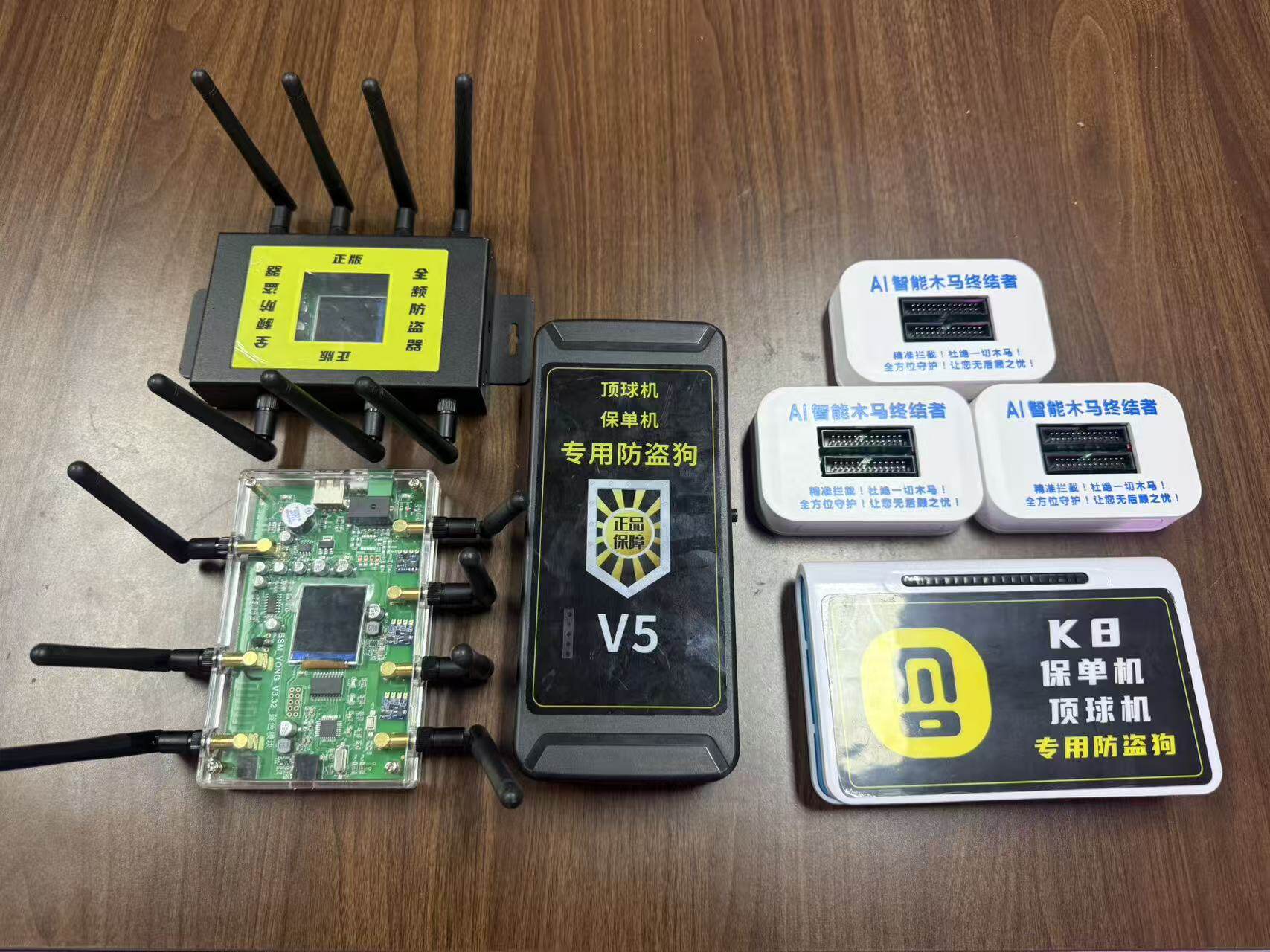
Routine diagnostic routines should also verify that all cable entry ports maintain tight braided wire sleeves and that ground jumpers bridge the coin door frame to the main chassis.
By implementing strict electromagnetic shielding standards alongside automated watchdog modules, arcade owners create an impenetrable perimeter that deters experienced syndicate attackers and guarantees venue profitability.
Standard Operating Checklist for Validating Cabinet Enclosure Grounding
Routine diagnostic routines should also verify that all cable entry ports maintain tight braided wire sleeves and that ground jumpers bridge the coin door frame to the main chassis.
By implementing strict electromagnetic shielding standards alongside automated watchdog modules, arcade owners create an impenetrable perimeter that deters experienced syndicate attackers and guarantees venue profitability.
Related Defense Systems and Anti-Cheat Resources
- how EMP jammers target fish tables — Technical breakdown of sparker coils targeting bill acceptor relays.
- EMP blocker vs anti-cheat watchdog — Hardware architecture comparison for commercial venues.
- K9 vs K10 alarm board testing — Bench test comparison of generic alarm boards versus active suppressors.