- Common Concealment Points for Illicit Daughterboards in Used Cabinets
- Visual Inspection Checklist for Wire Harness Slices and T-Taps
- EPROM Checksum and BIOS Verification on Used IGS Motherboards
- Testing Power Supply Voltage Rails for Covert Parasitic Loads
- Standard Operating Quarantine and Re-commissioning Protocol
- Related Defense Systems and Anti-Cheat Resources
Purchasing pre-owned fish tables from liquidations or secondary marketplaces offers substantial capital savings, but it also exposes operators to severe financial risks. All too often, used cabinets harbor covert cheat chips, tapped wire harnesses, or patched game ROMs left behind by previous operators or rogue technicians. Installing industrial arcade anti-cheat defense systems and executing a rigorous pre-commissioning audit prevents inherited vulnerabilities from draining your profits.
When inspecting a used fish table, start with the main wiring loom. Follow every wire originating from the JAMMA connector, coin doors, and bill acceptors. Look for non-factory electrical tape, irregular heat-shrink tubing, or hidden inline plastic enclosures that conceal micro-relays and wireless receivers. For a comprehensive architectural overview and turnkey procurement frameworks, review our master guide on EMP jammer shielding and surge protection.
Common Concealment Points for Illicit Daughterboards in Used Cabinets
Perpetrators frequently install miniature radio-frequency receiver boards beneath the control panel, bridging the 12V power rail to the key-in credit signal line so an accomplice can inject credits from across the room using a remote key fob.
Next, examine the main motherboard under magnification. Check the EPROM chips and BIOS sockets for broken factory tamper seals, scratched labels, or mismatched chip manufacturing dates. Solder flux residue on the underside of the PCB often reveals where unauthorized daughterboards were once attached.
Visual Inspection Checklist for Wire Harness Slices and T-Taps
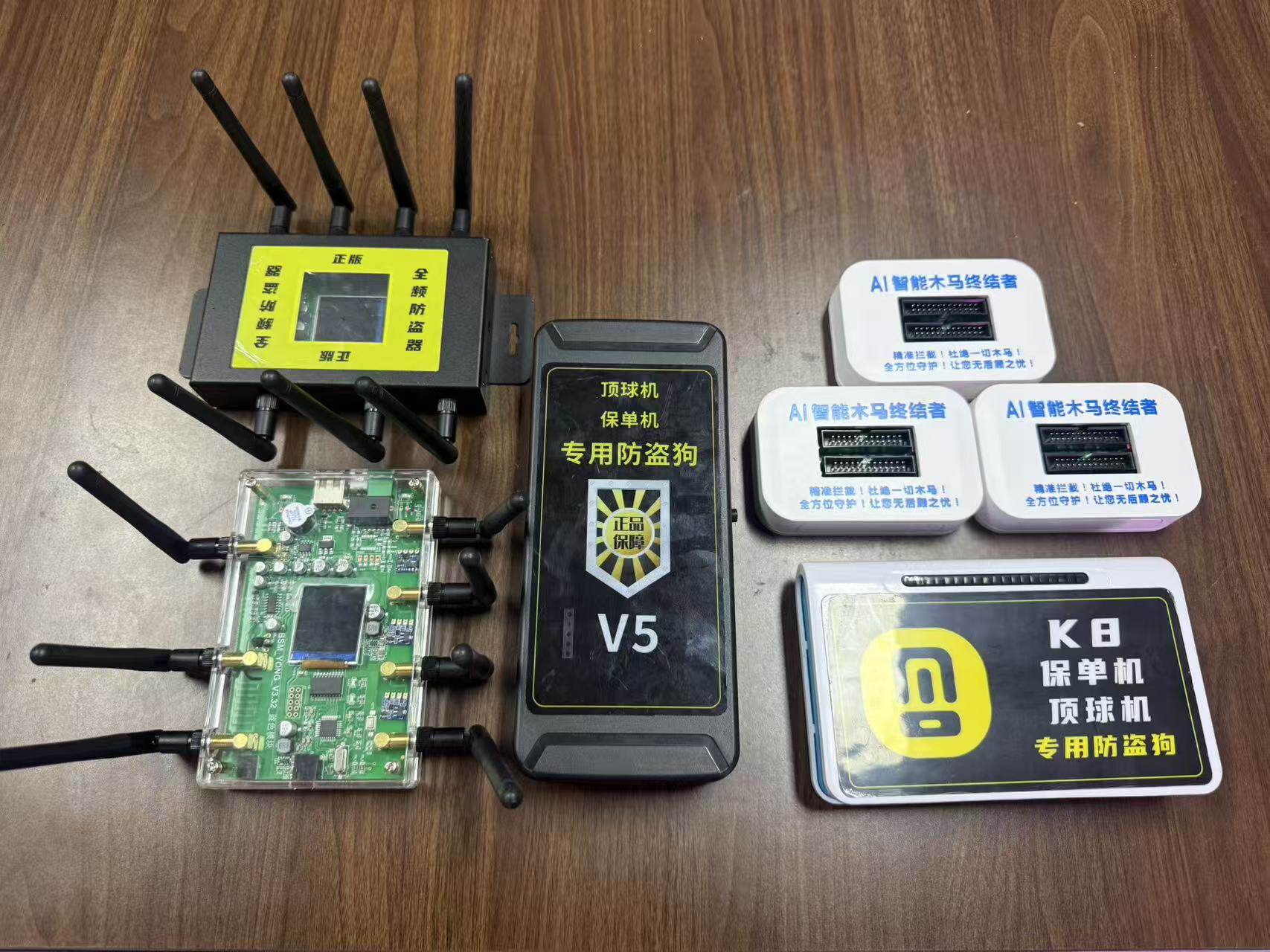
Verify power supply stability using a digital multimeter. A steady 5.0V and 12.0V rail is essential; voltage drops or unusual idle current draws often point to hidden parasitic electronics drawing power inside the cabinet framework.
Before placing any used machine on the revenue floor, reflash all game ROMs with authenticated factory master code and replace aged microswitches and bill validator harnesses.
EPROM Checksum and BIOS Verification on Used IGS Motherboards
| Inspection Zone | Target Component | Telltale Sign of Tampering | Diagnostic Tool Required | Remediation Action |
|---|---|---|---|---|
| JAMMA Loom | Coin-in & Key-in Wires | Heat-shrink splices, extra microcontrollers | Visual inspection & Continuity Meter | Replace harness with factory loom |
| Game PCB | EPROM / Flash Socket | Scratched stickers, non-matching checksums | EPROM Programmer & Hash Reader | Reflash with certified factory ROM |
| Coin Door | Bill Acceptor Interface | Hidden daughterboard behind validator bezel | Visual & Voltage drop probe | Remove board & install optical isolator |
| Power Distribution | 12V / 5V DC Rails | Unusual amperage draw (>0.2A excess idle) | Digital Multimeter / DC Clamp | Trace wiring to discover covert tap |
Equipping the cabinet with a modern anti-cheat watchdog board provides an automated security perimeter that actively analyzes pulse timing and suppresses high-frequency RF tampering.
Finally, apply serialized tamper-evident security tape across cabinet locks, access panels, and PCB security enclosures, logging the seal numbers into your venue’s asset management database.
Testing Power Supply Voltage Rails for Covert Parasitic Loads
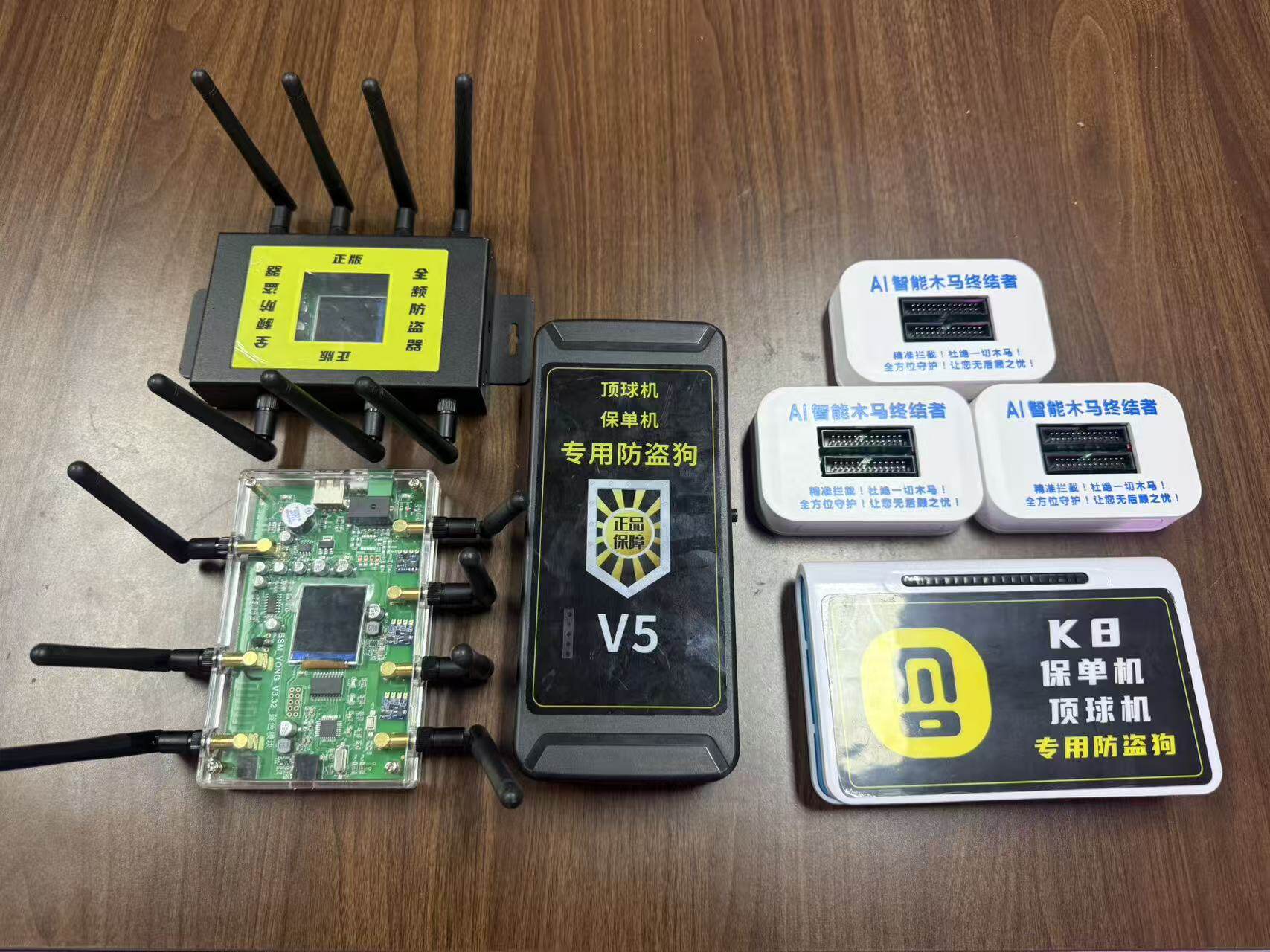
A disciplined quarantine protocol ensures that every pre-owned cabinet entering your facility performs with factory-certified fairness and reliability.
Taking proactive hardware verification steps transforms used equipment acquisitions into safe, highly profitable revenue engines for your game room.
Standard Operating Quarantine and Re-commissioning Protocol
A disciplined quarantine protocol ensures that every pre-owned cabinet entering your facility performs with factory-certified fairness and reliability.
Taking proactive hardware verification steps transforms used equipment acquisitions into safe, highly profitable revenue engines for your game room.
Related Defense Systems and Anti-Cheat Resources
- bartop fish game anti-cheat — Security engineering for compact and wall-mounted fish cabinets.
- investigating fish table rigging — How operators detect mathematical tampering on live tables.
- 9 signs a fish table is cheated — Statistical and physical red flags indicating active arcade cheating.
Forensic Hardware Audit Checklist for Second Hand Fish Cabinets
Procuring pre-owned fish game cabinets from secondary auctions or retiring routes carries hidden liabilities. Rogue operators and rogue route technicians frequently install concealed microcontroller pass-through boards, piggybacked wireless receivers, or modified EEPROM firmware that secretly alters payout probabilities (RTP) or allows remote wireless triggers. Conducting a forensic, pin-by-pin electrical inspection before putting used hardware onto your commercial game floor is essential to prevent massive immediate revenue bleed.
| Inspection Point | Illicit Hardware Indicator | Detection Method | Remediation Action |
|---|---|---|---|
| Mainboard JAMMA Connector | Piggyback daughterboard spliced between 56-pin edge | Visual trace continuity and multimeter resistance test | Remove inline interceptor board; re-pin harness |
| Bill Validator Harness | Third-party wire tap or inline pulse multiplier chip | Trace 9-pin/pulse cable from validator to CPU header | Replace with shielded direct-run OEM harness |
| Power Supply Rail | Concealed RF receiver tapped directly into +12V rail | Check auxiliary voltage taps behind switching PSU | Strip unverified power taps; install surge watchdog |
| Cabinet Interior Bezel | Miniature antenna lead routed along CRT/LCD frame | Inspect internal perimeter with 300-1200MHz RF scanner | Remove parasitic antenna and RF relay units |
ROM Hashing and Mathematical Hold Rate Verification
Beyond external wire taps, compromised used machines often run unauthorized bootleg software with altered odds tables. Operators must perform cryptographic SHA-256 hash checks on the system CF card, SSD, or ROM chips against verified factory master images. If the software hash matches but machine hold rates deviate significantly from theoretical expectations (e.g. dropping from 92% hold to 65% over 1,000 plays), operators must audit the dynamic odds energy accumulation ledger and install an AI-powered watchdog that continuously cross-validates bullet consumption against payout credits in real time.
To audit second-hand hardware or source genuine factory-fresh OEM chassis, consult our master guide on Arcade Machine Manufacturing and Turnkey Cabinet Sourcing or connect with Engineer Wang via Telegram https://t.me/JLwyc.