- How Location-Restricted and Result-Based Gaming Terminals Operate
- Mechanics of SDR-Based GPS Spoofing and Clock Synchronization Attacks
- Multi-Constellation GNSS Receivers and Hardware Geofencing Modules
- Cellular Tower Triangulation and Encrypted Time-Stamp Validation
- Operator SOP for Auditing Location-Locked Gaming Terminals
- Related Defense Systems and Anti-Cheat Resources
In modern regulated gaming, sweepstakes parlors, and networked skill-game routes, terminal location and timestamp verification are critical legal and operational requirements. Syndicates deploy Software Defined Radios (SDR) and portable GPS spoofers to manipulate terminal geofences and RNG synchronization seeds, unlocking unauthorized games or claiming localized prize pools. Installing industrial arcade anti-cheat defense systems with multi-constellation GNSS validation and hardware-enforced geofencing permanently eliminates location fraud.
A typical GPS spoofing attack utilizes portable RF transceivers broadcasting slightly elevated signal power on the GPS L1 frequency (1575.42 MHz). Unhardened terminals lock onto the synthetic satellite signals, calculating false geographic coordinates programmed by the attacker. For a comprehensive architectural overview and turnkey procurement frameworks, review our master guide on arcade machine security and anti-cheat defense.
How Location-Restricted and Result-Based Gaming Terminals Operate
Attackers exploit this to bypass municipal regulatory restrictions or to manipulate time-dependent outcome algorithms in sweepstakes terminals.
Industrial anti-cheat geofence modules prevent spoofing through multi-layer verification. The hardware integrates multi-band GNSS receivers that track GPS, Galileo, GLONASS, and BeiDou satellites simultaneously across L1, L2, and L5 frequencies.
Mechanics of SDR-Based GPS Spoofing and Clock Synchronization Attacks
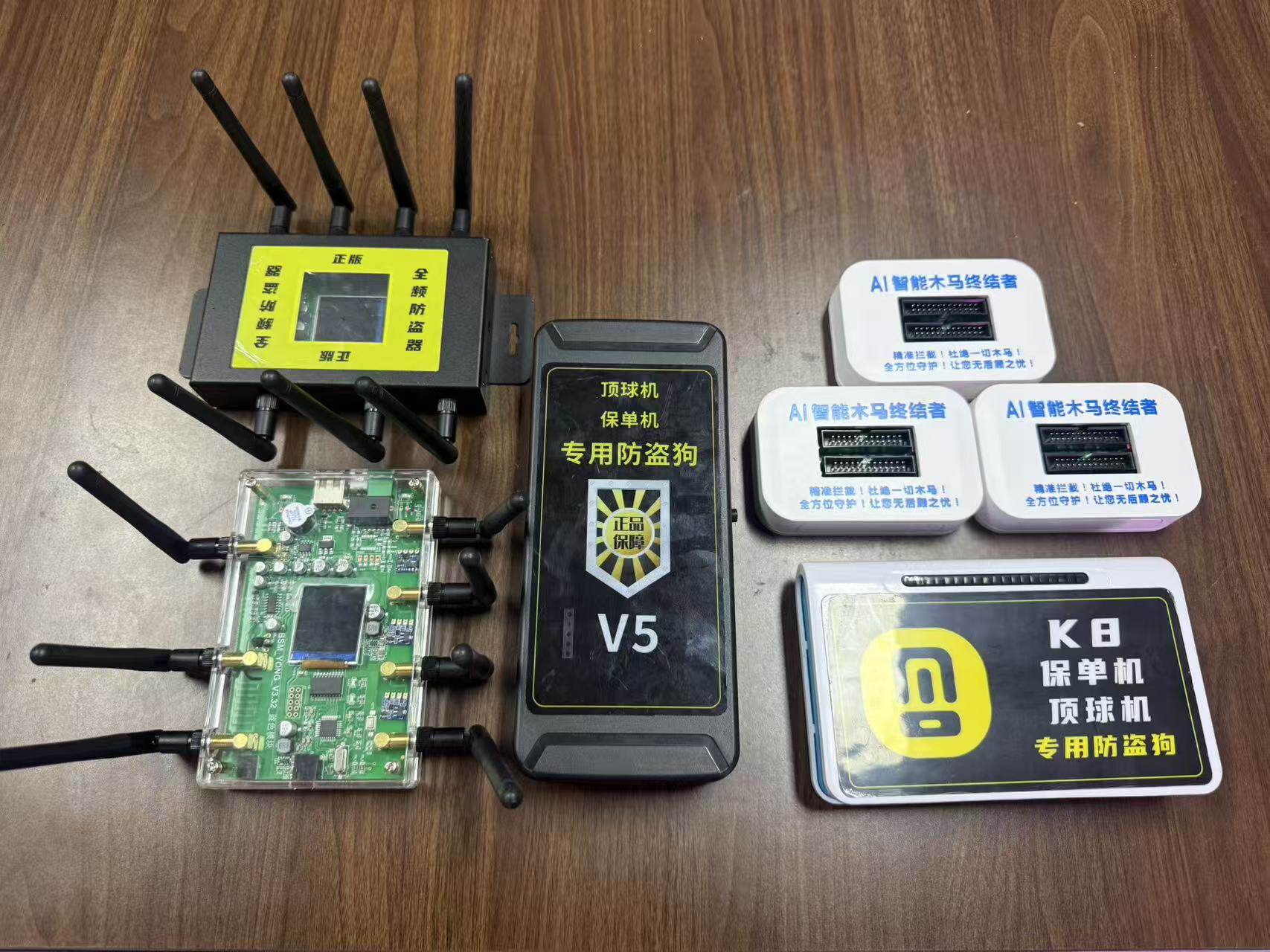
Because synthesizing multi-constellation signals with accurate Doppler shifts and relative clock delays across four satellite networks is mathematically near-impossible in portable hardware, fake broadcasts are detected in milliseconds.
Beyond satellite tracking, the module cross-references position data with local cellular base station IDs and encrypted Wi-Fi BSSID environmental scans.
Multi-Constellation GNSS Receivers and Hardware Geofencing Modules
| Security Vector | Spoofing Attack Method | Terminal Vulnerability | Hardware Geofence Countermeasure | Protection Level |
|---|---|---|---|---|
| GPS L1 Band (1575.42 MHz) | HackRF / SDR Fake Satellite Broadcast | Accepts fake coordinates | Multi-band GNSS (L1/L2/L5) + Carrier phase check | 99.2% Spoof Immunity |
| NTP Time Sync | Local Wi-Fi Gateway DNS Spoofing | Manipulates jackpot draw time | Hardware Real-Time Clock (RTC) with crystal tamper | 100% Cryptographic Lock |
| Cellular Tower ID | IMSI Catcher / Rogue Femtocell | Fakes local cellular base station | BSSID + Cell Tower + Wi-Fi Triangulation | Multi-layer Geo-Validation |
| Physical Enclosure | Faraday Bag around internal antenna | Forces offline fallback mode | Antenna impedance & jamming detection sensor | Instant Terminal Lockout |
If the calculated satellite position conflicts with cellular tower triangulation, the module asserts an immediate security fault, disabling the game interface and alerting the route operations center.
The module also features an internal battery-backed, tamper-resistant Real-Time Clock (RTC) that maintains microsecond time accuracy independently of network time servers.
Cellular Tower Triangulation and Encrypted Time-Stamp Validation
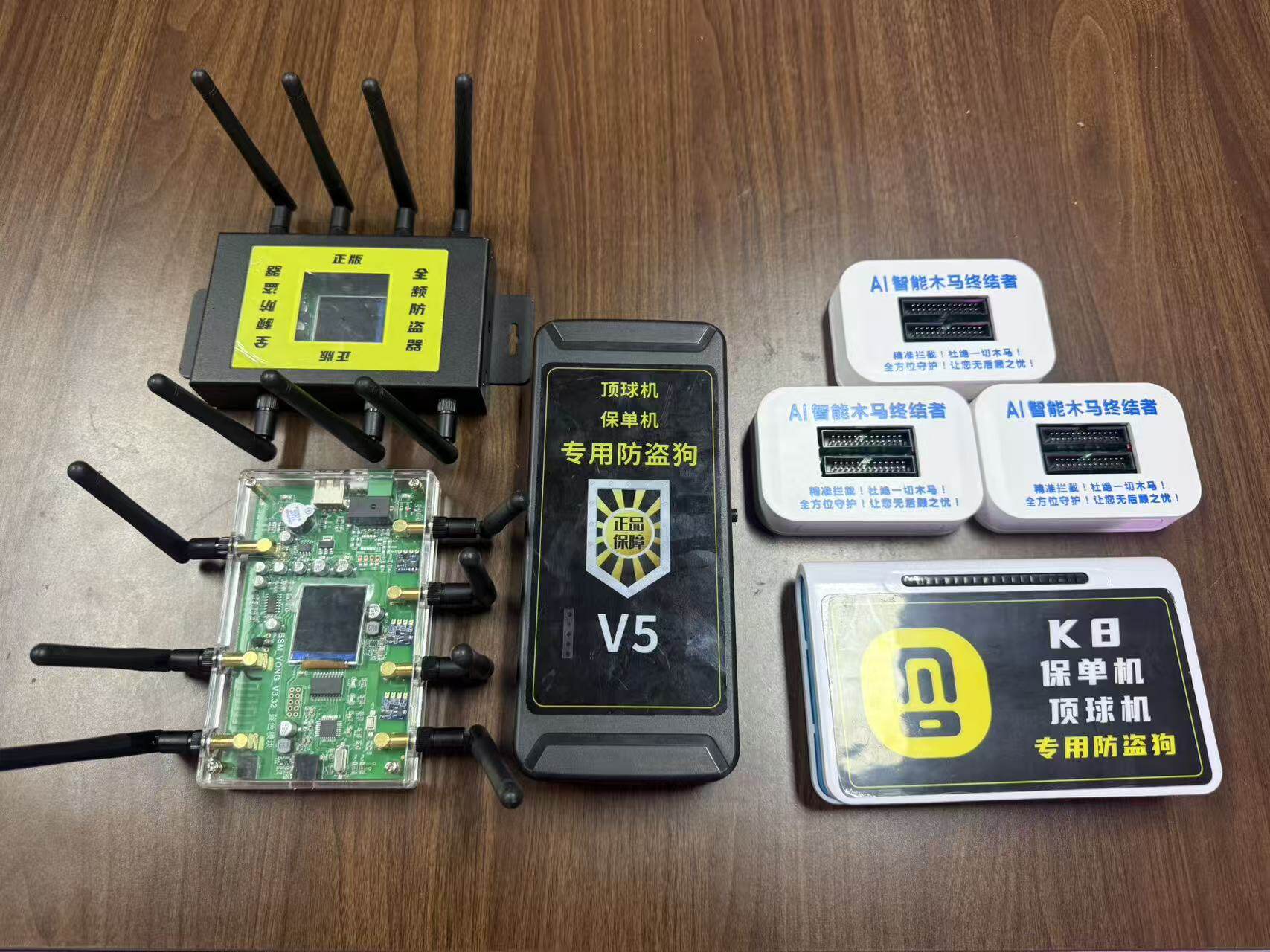
Route managers should ensure that external GNSS antennas are mounted inside tamper-resistant polycarbonate enclosures with active antenna line impedance monitoring.
Implementing multi-band geofencing and cryptographic hardware timing guarantees absolute compliance and protects networked gaming terminals from sophisticated wireless manipulation.
Operator SOP for Auditing Location-Locked Gaming Terminals
Route managers should ensure that external GNSS antennas are mounted inside tamper-resistant polycarbonate enclosures with active antenna line impedance monitoring.
Implementing multi-band geofencing and cryptographic hardware timing guarantees absolute compliance and protects networked gaming terminals from sophisticated wireless manipulation.
Related Defense Systems and Anti-Cheat Resources
- remote control frequency cheating — Defending against RF key fobs and wireless transmitters.
- wireless cheating tools in arcades — Analyzing Bluetooth, Wi-Fi, 2.4GHz, and RF attack tools.
- how wireless devices communicate with machines — Technical protocols and wireless interfaces exploited on game boards.