- Defining the Architectural Differences Between Blockers and Watchdogs
- Single Threat RF Interception Versus Comprehensive I/O Line Monitoring
- Real World Benchmarking Across Pulse Injection and Logic Tampering
- Wiring Complexity and Interface Compatibility with JAMMA Cabinets
- Optimal Hardware Deployment Strategy for Mixed Game Venues
- Related Defense Systems and Anti-Cheat Resources
Arcade operators evaluating security hardware often debate whether to deploy dedicated EMP jammer blockers or comprehensive anti-cheat watchdog modules. While both systems protect against high-voltage RF injection, their internal architectures, threat coverage, and operational capabilities differ significantly. Deploying industrial arcade anti-cheat defense systems tailored to your specific cabinet risk profile is essential for total perimeter security.
Dedicated EMP blockers are purpose-built hardware suppressors designed to detect high-frequency electromagnetic pulses and instantaneously clamp overvoltages before they penetrate coin-in and key-in lines. Their streamlined circuitry makes them exceptionally fast and simple to install. For a comprehensive architectural overview and turnkey procurement frameworks, review our master guide on commercial arcade loss prevention guide.
Defining the Architectural Differences Between Blockers and Watchdogs
In contrast, an anti-cheat watchdog is a multi-layered security processor that monitors physical signal integrity across all machine inputs. In addition to RF surge clamping, watchdogs analyze pulse frequency, validate bill acceptor handshake timing, and detect unauthorized wire-taps.
When defending against pure sparker attacks, dedicated blockers match watchdogs with sub-10 millisecond response times and 98% RF attenuation. However, when an attacker shifts tactics to physical card-head wire-tapping or fraudulent coin pulses, standalone EMP blockers remain inactive.
Single Threat RF Interception Versus Comprehensive I/O Line Monitoring
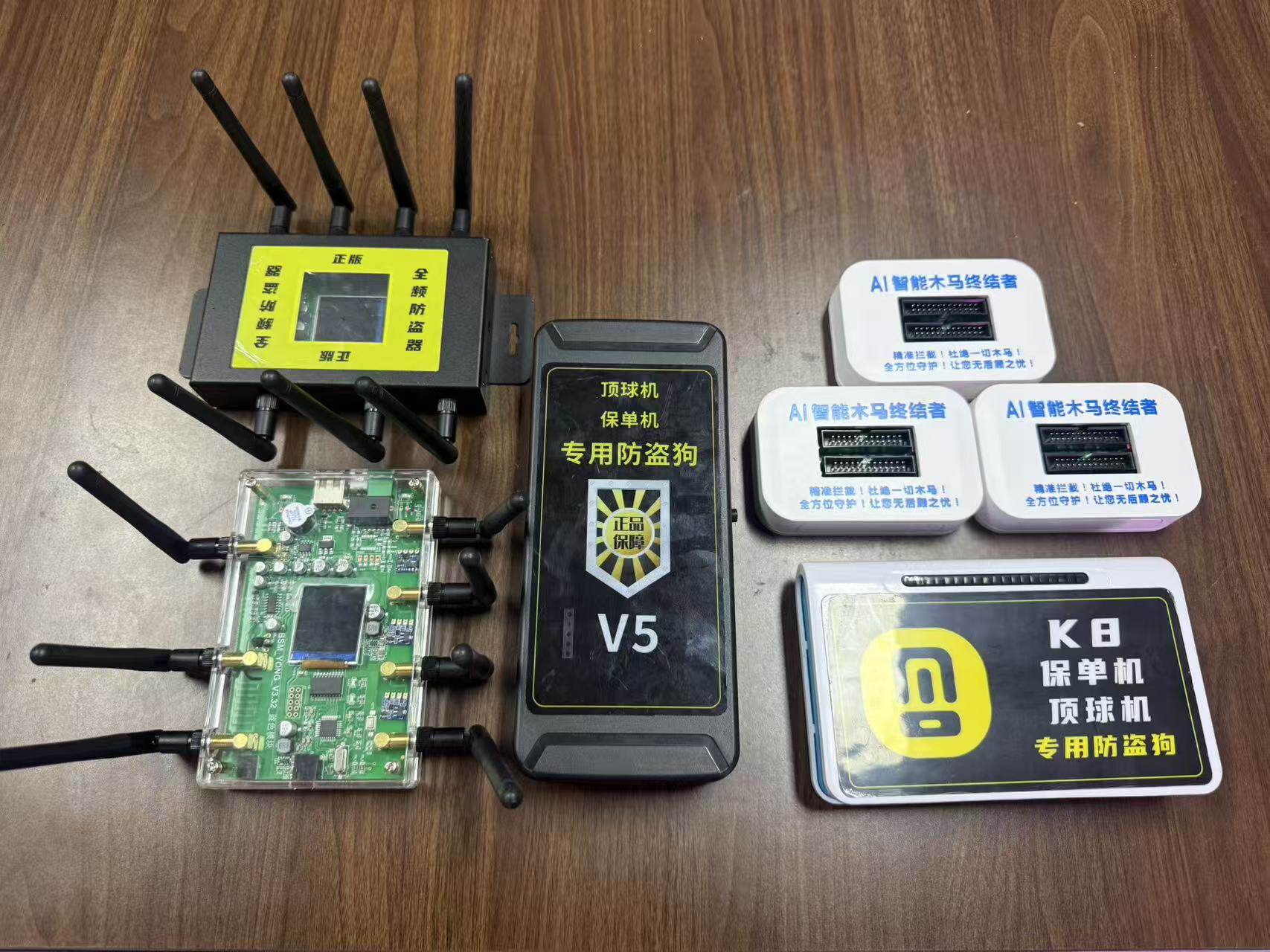
Watchdog modules feature onboard microcontrollers running proprietary pulse-validation algorithms. If a perpetrator attempts to inject square-wave pulses with non-standard duty cycles, the watchdog flags the anomaly and locks the credit register immediately.
From an integration perspective, EMP blockers connect in-line with minimal wiring, making them ideal for rapid retrofits across large fleets of redemption and coin pusher games.
Real World Benchmarking Across Pulse Injection and Logic Tampering
| Defense Capability | Dedicated EMP Blocker | Integrated Anti-Cheat Watchdog | Operator Impact |
|---|---|---|---|
| EMP / Sparker Suppression | Active Clamping & Relay Cut (<10ms) | Active Clamping & Relay Cut (<10ms) | Both eliminate sparker injection |
| Wire-Tap / Pulse Fraud Detection | Not Supported (RF Focus Only) | Real-time Pulse Timing & Duty Analysis | Watchdog stops bill validator wire-tapping |
| AI Trojan ROM Code Monitoring | Not Supported | Bus Checksum & Logic Glitch Detection | Watchdog detects modified game chips |
| Alarm & Management Interfacing | Audible Buzzer / On-board LED | Buzzer + Relay + Silent Manager Alert | Watchdog enables remote multi-room alerts |
| Installation Overhead | Simple In-Line Harness (5 Mins) | Multi-Line I/O Harness (15 Mins) | Blocker is faster, Watchdog is more thorough |
Watchdogs require wiring into coin inputs, bill validator pulse lines, and optional payout hopper lines, taking approximately 15 minutes per cabinet while providing 360-degree perimeter protection.
In mixed game rooms featuring both standalone crane games and high-stakes 8-player fish tables, the recommended deployment strategy utilizes standalone blockers on lower-value machines and multi-threat watchdogs on primary revenue-generating cabinets.
Wiring Complexity and Interface Compatibility with JAMMA Cabinets
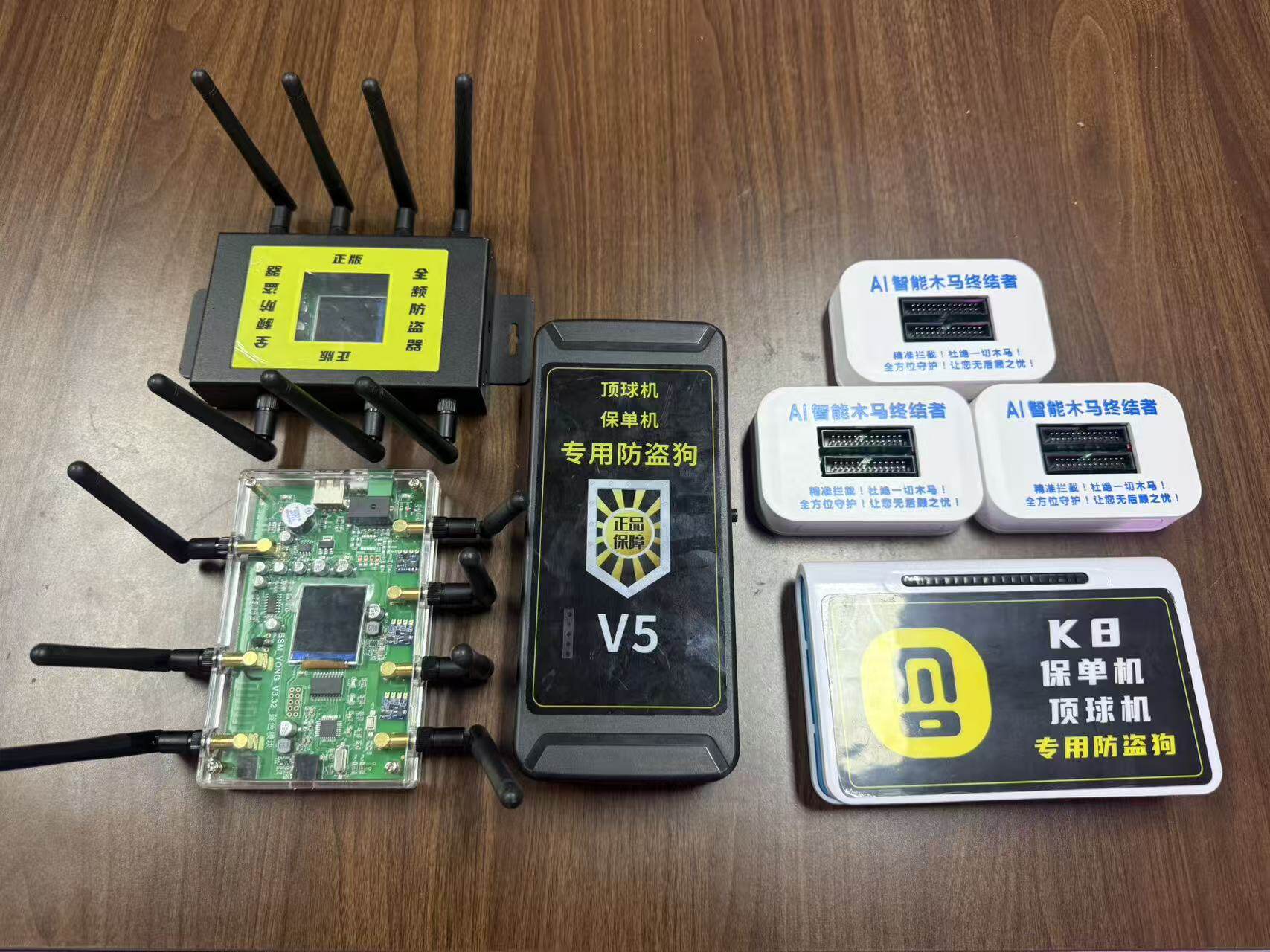
Both hardware categories feature industrial-grade components, solid-state relays, and flame-retardant enclosures engineered for 24/7 commercial operation in demanding venue environments.
Matching the right security hardware to your specific venue vulnerabilities ensures bulletproof protection, zero false alarms, and preserved operational profitability.
Optimal Hardware Deployment Strategy for Mixed Game Venues
Both hardware categories feature industrial-grade components, solid-state relays, and flame-retardant enclosures engineered for 24/7 commercial operation in demanding venue environments.
Matching the right security hardware to your specific venue vulnerabilities ensures bulletproof protection, zero false alarms, and preserved operational profitability.
Related Defense Systems and Anti-Cheat Resources
- anti-cheat hardware pricing comparison — Cost analysis across blockers and multi-function watchdogs.
- why operators switch to AI defense — The technological evolution from passive alarms to active watchdog boards.
- K9 vs K10 alarm performance — Benchmarking legacy alarm boards against multi-threat watchdog systems.