- Vulnerability Analysis of Mechanical Ball Counting and Scoring Circuits
- How Cheaters Use Wire Taps and Needle Probes on Solenoid Lines
- Optically Isolated Sensor Conditioning and Pulse Validation Hardware
- Armored Conduit and Internal Loom Routing Standards for Top Ball Units
- Daily Physical Auditing SOP for Mechanical Scoring Switches
- Related Defense Systems and Anti-Cheat Resources
Mechanical top ball and roll-down arcade machines remain high-earning attractions in family entertainment centers, but their physical scoring mechanisms present unique security vulnerabilities. Unlike purely digital video games, top ball machines rely on physical switches and optical gates positioned along ball runways. Attackers pierce wiring harnesses with thin needle probes or install vampire taps to trigger top-tier jackpot payouts electronically. Installing industrial arcade anti-cheat defense systems with optical isolation and line impedance monitoring is vital to stopping mechanical fraud.
In a typical top ball attack, a player reaches through the ball return flap or drills a micro-hole through the cabinet side, inserting a conductive probe to touch the signal wire leading from the top ball scoring switch. For a comprehensive architectural overview and turnkey procurement frameworks, review our master guide on AI Trojan Terminator and RF defense systems.
Vulnerability Analysis of Mechanical Ball Counting and Scoring Circuits
By tapping the wire to chassis ground, the player sends a false scoring pulse directly to the payout controller, triggering high-ticket jackpots while physical balls remain in the hopper.
Standard mechanical switches cannot prevent this attack because they lack electrical line supervision; the controller board simply registers an electrical closure regardless of how it was generated.
How Cheaters Use Wire Taps and Needle Probes on Solenoid Lines
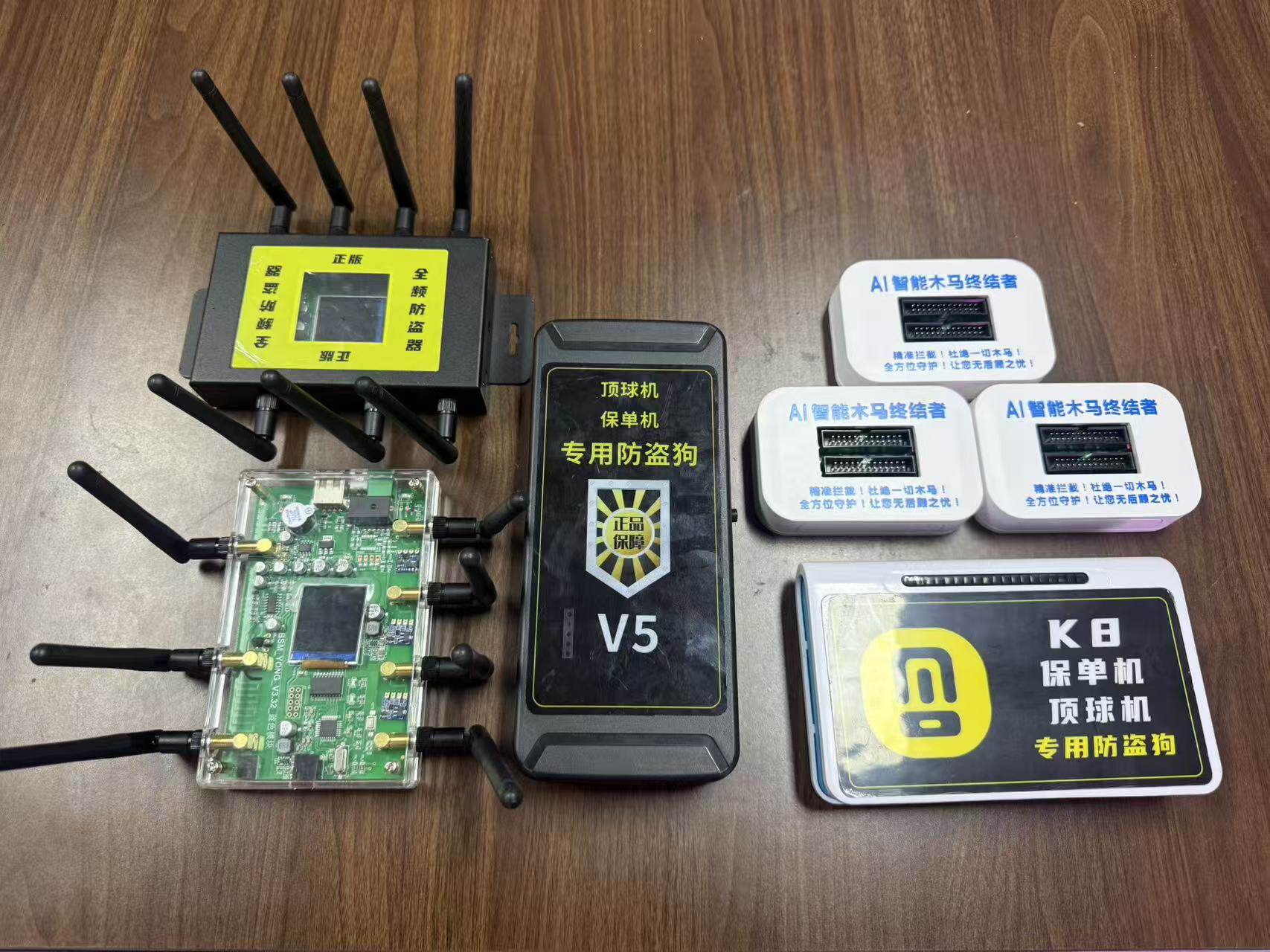
Industrial anti-cheat conditioning boards eliminate wire-tap fraud by replacing raw switch connections with active supervised loops. The board applies a high-frequency carrier wave across the sensor circuit, constantly monitoring loop impedance and capacitance.
If a needle probe or external tapping wire contacts the harness, the resulting change in circuit capacitance is detected in less than 2 microseconds, immediately locking out payout solenoids.
Optically Isolated Sensor Conditioning and Pulse Validation Hardware
| Top Ball Vulnerability | Attack Method | Physical Indicator | Mainboard Impact | Hardware Countermeasure |
|---|---|---|---|---|
| Ball Sensor Microswitch | Needle probe into harness | Punctured wire insulation | Registers phantom top ball score | Optical sensor with impedance monitoring |
| Payout Solenoid Driver | External 12V battery tap | Splice near solenoid relay | Forces unmetered ball payout | Current-limited solid-state driver with audit trip |
| Coin-In / Key-In Line | Card-head pulse injector | Scratched connector terminals | Injects free game credits | In-line pulse conditioning & TVS clamp (<8ms) |
| Optical Ball Gate | Infrared LED blinding tool | Laser pointer residue on lens | Falsifies ball count tracking | Modulated multi-frequency IR optical gate |
Additionally, the scoring signal passes through an optical isolator with a 2,500V dielectric barrier, preventing high-voltage zappers from shocking the scoring logic.
Physical cabinet hardening is equally vital. All sensor wiring must be enclosed in flexible stainless steel armored conduit, preventing external needles from reaching internal copper conductors.
Armored Conduit and Internal Loom Routing Standards for Top Ball Units
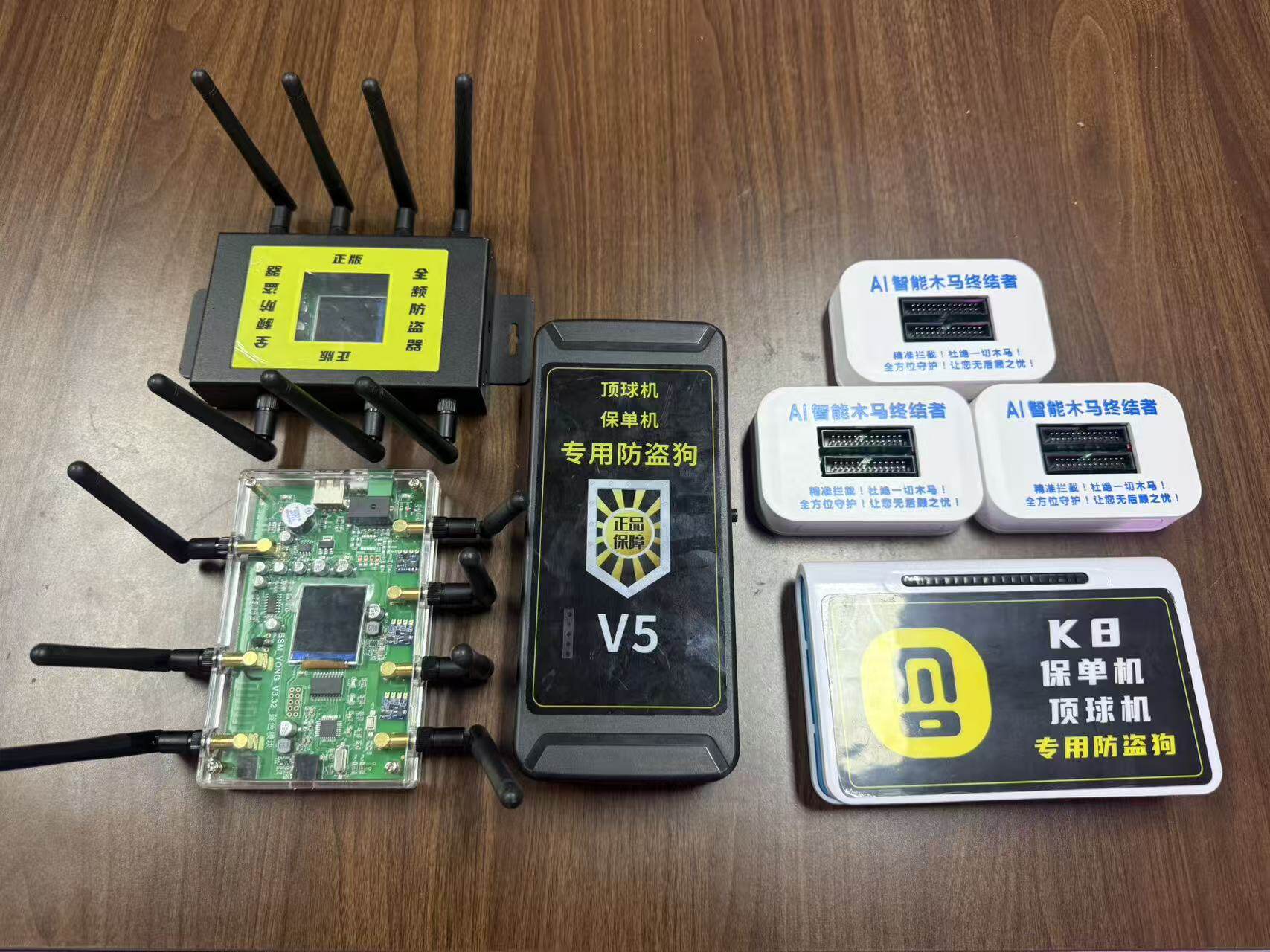
Daily opening procedures should include inspecting ball runways for drill holes, checking wire harnesses for puncture marks, and verifying that mechanical ball count meters match electronic score records.
Protecting your top ball machines with supervised optical conditioning and armored wiring ensures that only authentic physical play earns jackpot rewards, keeping your venue profitable and secure.
Daily Physical Auditing SOP for Mechanical Scoring Switches
Daily opening procedures should include inspecting ball runways for drill holes, checking wire harnesses for puncture marks, and verifying that mechanical ball count meters match electronic score records.
Protecting your top ball machines with supervised optical conditioning and armored wiring ensures that only authentic physical play earns jackpot rewards, keeping your venue profitable and secure.
Related Defense Systems and Anti-Cheat Resources
- card-head and wire-tap point stealing — Hardware detection methods for pulse line tampering.
- validator fraud on game machines — Stopping fake pulse injection and bill stringing attacks.
- zapper stun gun defense guide — Protecting coin doors and hoppers from electrical discharge attacks.