- Anatomy of Piezo Spark and High Voltage Stun Gun Attacks on Coin Slots
- Physical Damage Caused by Unchecked High Voltage Discharges
- Optically Isolated Coin Door Interfacing and Surge Diversion
- Cabinet Chassis Bonding and Electrostatic Discharge Grounding Standards
- Staff Response Protocols When Detecting Piezoelectric Tampering
- Related Defense Systems and Anti-Cheat Resources
Piezoelectric zappers and modified stun guns remain a persistent threat to coin-operated arcade machines, claw cranes, and pinball tables. By sparking a high-voltage charge into the coin entry bezel or metal return pocket, thieves induce electrical transients that fool basic mechanical microswitches into registering phantom credits. Installing industrial arcade anti-cheat defense systems provides complete galvanic isolation and instantaneous spark suppression, preserving revenue integrity.
Piezo igniters scavenged from utility lighters or electronic barbecue starters generate short-duration pulses reaching up to 15,000 volts. When pressed against the coin slot, the spark arcs through the mechanical microswitch or optical sensor wiring, sending high-energy spikes straight to the coin input port. For a comprehensive architectural overview and turnkey procurement frameworks, review our master guide on commercial arcade loss prevention guide.
Anatomy of Piezo Spark and High Voltage Stun Gun Attacks on Coin Slots
Without dedicated protection, the machine’s mainboard cannot distinguish between a legitimate switch closure and an electrical arc. The processor registers a coin credit, while repeated arcing degrades sensitive semiconductor gates, eventually causing permanent mainboard failure.
Industrial anti-zapper protection modules eliminate this threat through high-speed transient voltage suppression and complete optical decoupling. The incoming switch line passes through high-energy gas discharge tubes (GDT) and fast TVS diodes that clamp the voltage spike to under 5 volts in less than one nanosecond.
Physical Damage Caused by Unchecked High Voltage Discharges
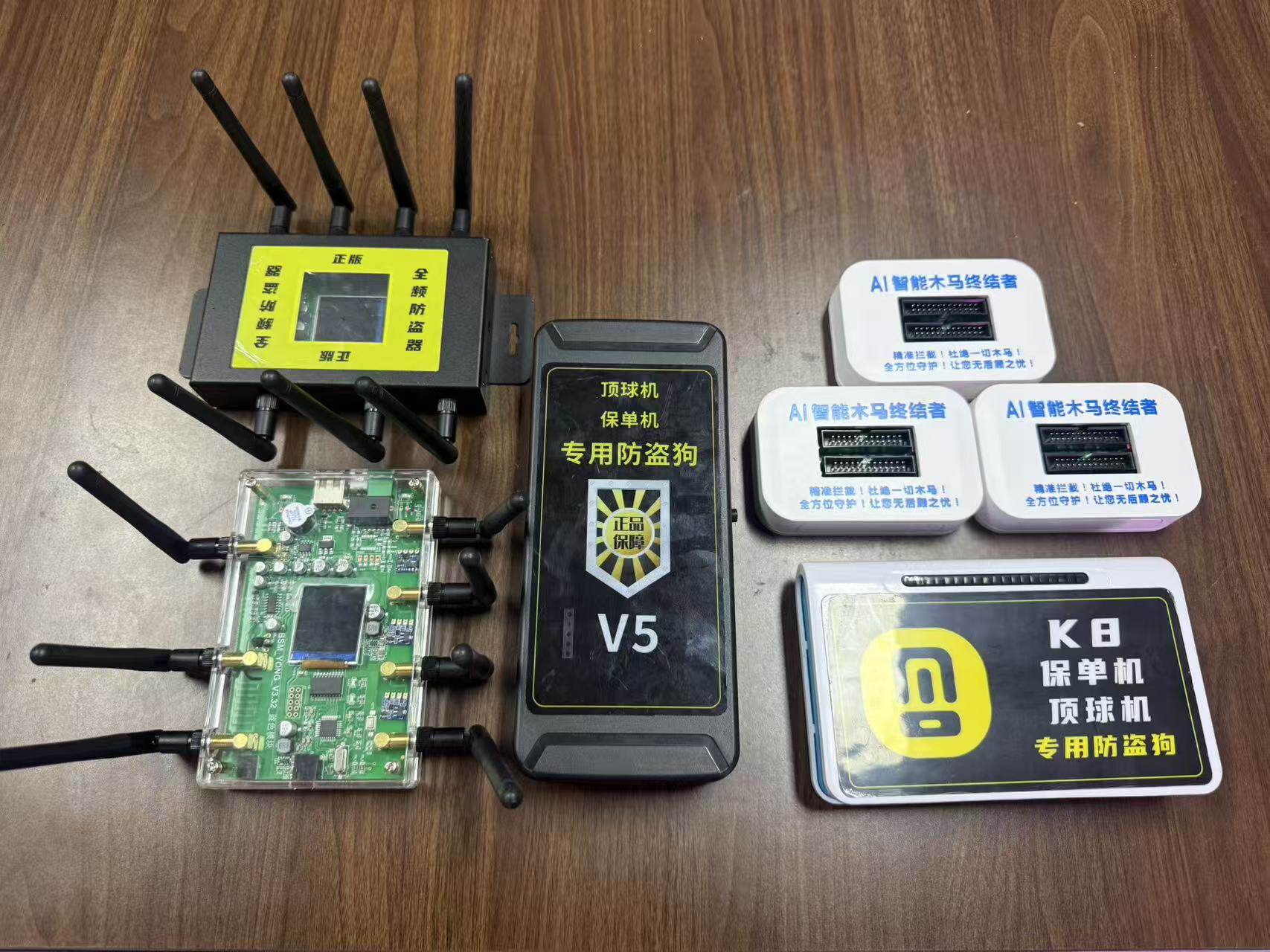
Behind the clamping stage, an optical isolator converts the valid switch signal into light pulses, physically separating the external coin door wiring from the internal game board logic by a 2,500V dielectric barrier.
If an abnormal electrical pulse is detected, the module immediately activates an internal crowbar circuit, holding the coin input in a high-impedance state for five seconds and triggering an audible alert tone to alert floor attendants.
Optically Isolated Coin Door Interfacing and Surge Diversion
| Discharge Source | Peak Discharge Voltage | Target Point | Mainboard Impact | Hardware Defense Architecture |
|---|---|---|---|---|
| Piezo Gas Lighter Element | 8 kV – 15 kV | Metal Coin Entry Slot | Logic Gate Glitching | TVS Clamp & Optical Signal Decoupler |
| Modified Stun Gun / Zapper | 25 kV – 50 kV | Coin Return Cup | Blown Driver Transistors | Chassis Spark Arrestor & Auto-Trip Relay |
| Automotive Spark Igniter | 12 kV – 30 kV | Key Switch Bezel | EPROM Data Corruption | Galvanic Isolation Transformer & Ferrite |
| Industrial Static Wand | 10 kV – 20 kV | Cabinet Edge Trim | CPU Freeze / Reboot | Dedicated 2-Ohm Earth Ground System |
Proper cabinet earthing is fundamental to anti-zapper defense. All metal sub-assemblies—including the coin door frame, coin box housing, and marquee brackets—must be linked with heavy braided copper wire to the primary AC earth ground terminal.
Operators should regularly test ground continuity using a digital multimeter, verifying that resistance between the coin slot bezel and the power cord ground pin does not exceed 0.5 ohms.
Cabinet Chassis Bonding and Electrostatic Discharge Grounding Standards
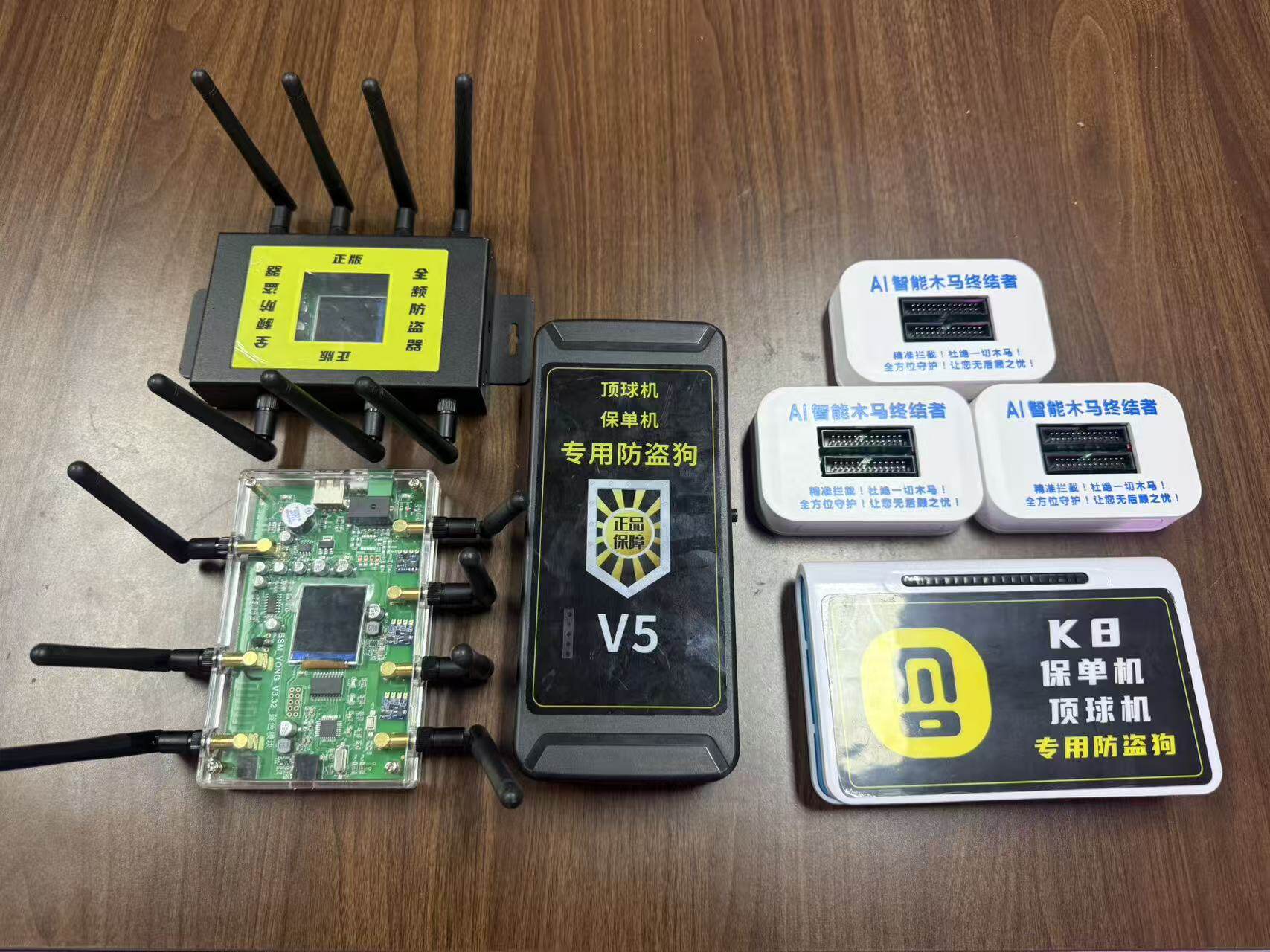
Upgrading older microswitch mechanisms to modern electronic coin selectors equipped with reverse-voltage protection and inductive shielding adds an additional layer of mechanical and electrical security.
Implementing integrated spark suppression and optical isolation ensures that every coin registered represents legitimate cash collected, keeping your game room secure and operational.
Staff Response Protocols When Detecting Piezoelectric Tampering
Upgrading older microswitch mechanisms to modern electronic coin selectors equipped with reverse-voltage protection and inductive shielding adds an additional layer of mechanical and electrical security.
Implementing integrated spark suppression and optical isolation ensures that every coin registered represents legitimate cash collected, keeping your game room secure and operational.
Related Defense Systems and Anti-Cheat Resources
- EMP jammer detection mechanisms — Stopping pulse attacks on commercial game boards.
- shielding and grounding engineering — Hardware enclosure protection against high-voltage surges.
- bill validator pulse fraud — Defending cash acceptor modules against electronic manipulation.