- Operating Frequencies of Common Arcade Cheating Remotes
- Circuitry of Covert 315MHz 433MHz and 868MHz Transmitters
- Multi-Band RF Sniffing and Spectrum Monitoring Architecture
- Hardware-Level Jammer Suppression and Relay Lockout Modules
- Venue Standard Operating Procedures for Identifying Remote Operators
- Related Defense Systems and Anti-Cheat Resources
Remote-control cheating devices are among the most widespread tools utilized by arcade theft syndicates. Disguised as automotive key fobs, garage door openers, or vape pens, these handheld transmitters broadcast radio-frequency signals to covert receiver boards spliced inside game cabinets. At the press of a button, an accomplice seated at the game receives instant unmetered credits. Installing industrial arcade anti-cheat defense systems with multi-band RF spectrum monitoring is the only way to detect and block wireless remote attacks in real time.
Cheat remotes operate primarily on the 315 MHz and 433.92 MHz industrial, scientific, and medical (ISM) frequency bands. When activated, the transmitter broadcasts a fixed or rolling digital code that pairs with a covert radio receiver soldered inside the machine’s wiring harness. For a comprehensive architectural overview and turnkey procurement frameworks, review our master guide on AI Trojan Terminator and RF defense systems.
Operating Frequencies of Common Arcade Cheating Remotes
Upon receiving the matching RF packet, the hidden receiver board closes a micro-relay, connecting the 12V power line directly to the coin-in pulse wire and adding maximum game credits in milliseconds.
Because the perpetrator can trigger the remote from a distance of up to 30 feet, floor staff observing the player at the machine often fail to notice any suspicious hand movements.
Circuitry of Covert 315MHz 433MHz and 868MHz Transmitters
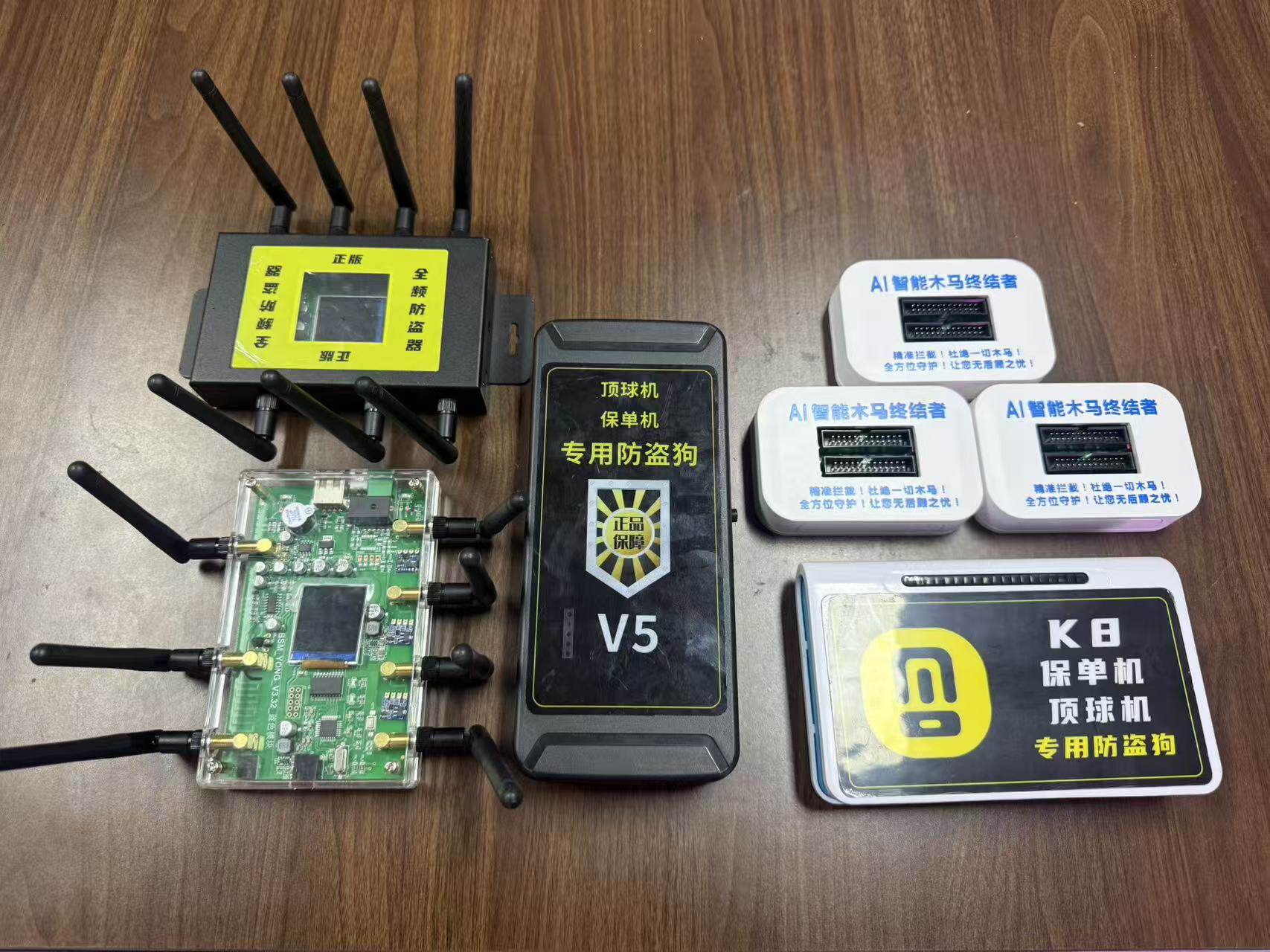
Industrial RF anti-cheat modules neutralize this threat through continuous wideband spectrum surveillance. Integrated multi-band receiver ICs sample RF energy across the 300 MHz to 900 MHz and 2.4 GHz bands thousands of times per second.
When an RF transmission exceeding ambient threshold levels is detected within a 5-foot perimeter of the cabinet, the module instantly triggers a solid-state lock on the coin-in line, preventing the covert receiver from registering credits.
Multi-Band RF Sniffing and Spectrum Monitoring Architecture
| Frequency Band | Modulation Type | Typical Remote Form Factor | Attack Target | Hardware Defense Response |
|---|---|---|---|---|
| 315 MHz | ASK / OOK (Pulse Width) | Automotive Key Fob | Spliced Key-In Receiver Sub-board | Multi-band RF Sniffer & Instant Lockout |
| 433.92 MHz | FSK / OOK | Garage Door Remote Housing | Fish Table Motherboard I/O Bus | Active Bandpass Filter & Siren Alarm |
| 868 MHz | GFSK (Frequency Hopping) | Modified Smartwatch / Pager | Wireless Card-Head Probe | High-Q Ceramic Resonator & Relay Trip |
| 2.4 GHz ISM | BLE / Proprietary 2.4G | Smartphone App Dongle | Firmware Trojan Trigger | 2.4GHz RF Power Threshold Clamping |
Simultaneously, the module activates an onboard high-decibel buzzer or sends a silent notification to the floor supervisor’s handheld pager, identifying the exact machine under attack.
To prevent rogue receiver boards from functioning inside the cabinet, all interior wiring should be inspected during routine audits, checking for unauthenticated antenna wires or heat-shrink modules attached to power leads.
Hardware-Level Jammer Suppression and Relay Lockout Modules
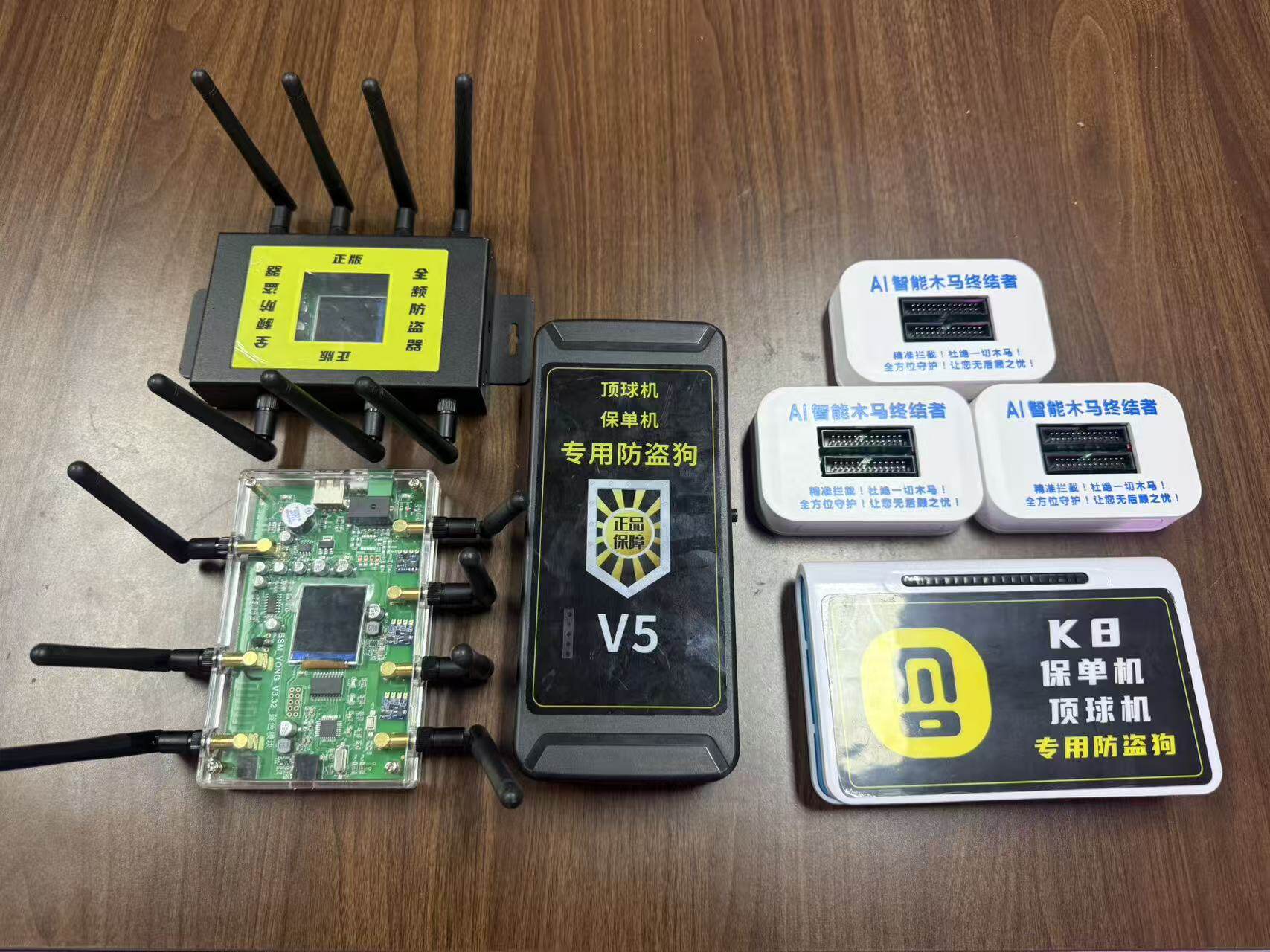
Upgrading to cabinets with fully grounded steel interior cages provides continuous Faraday shielding, preventing external RF signals from reaching internal electronics.
Deploying multi-band RF spectrum monitoring hardware ensures complete wireless perimeter defense, protecting your game room from remote-control cheating crews.
Venue Standard Operating Procedures for Identifying Remote Operators
Upgrading to cabinets with fully grounded steel interior cages provides continuous Faraday shielding, preventing external RF signals from reaching internal electronics.
Deploying multi-band RF spectrum monitoring hardware ensures complete wireless perimeter defense, protecting your game room from remote-control cheating crews.
Related Defense Systems and Anti-Cheat Resources
- wireless cheating tools in arcades — Defending against Bluetooth, Wi-Fi, and 2.4GHz RF attack tools.
- how wireless devices communicate with machines — Technical protocols and wireless interfaces exploited on game boards.
- phones and smartwatches cheating game machines — Technical analysis of wearable and mobile cheating devices.