Hi, I am Engineer Wang, lead hardware and game systems architect at Guangzhou Miba Animation Technology (operating globally as Arcade Manufacturer). In my 12 years engineering electromechanical gaming hardware and supervising production lines in Panyu, Guangzhou, coin pushers have remained among the highest-grossing, most resilient redemption staples in family entertainment centers (FECs), seaside arcades, and commercial game rooms worldwide. Yet, for venue operators and route mechanics, coin pushers are also the most demanding machines to maintain. When an operator invests in a 6-player rotating coin pusher or a dual-tier cascade cabinet, they face severe operational risks: *Will the wiper push-plate motor burn out during a packed holiday weekend? Will aggressive players kick, slam, or tip the cabinet to force unearned coin drops? And will dusty optical prize sensors misread coin payouts, bleeding revenue through false ticket allocations?*
The difference between a commercial coin pusher that runs trouble-free for seven years and one that sits dead on your venue floor after three months lies in industrial electromechanical engineering. In this technical manufacturing guide, I detail how our Panyu factory fabricates heavy-duty commercial coin pushers, from brushless DC motor torque ratings and 2.0mm cold-rolled steel wiper assemblies to 3-axis MEMS anti-tamper tilt detection and dual-beam optical drop counting. For factory-direct procurement and comprehensive engineering specs, consult our master guide on arcade game machine manufacturing and custom cabinet sourcing.
Evaluating custom commercial coin pushers, multi-player redemption cabinets, or need factory direct wholesale pricing? Connect with our engineering department or message me (Engineer Wang) directly on WhatsApp at `+86 17620842078` or Telegram at `https://t.me/JLwyc` for live video bench demonstrations of our motor stress tests and optical drop sensors.
| Engineering Specification | Our Panyu Factory Commercial Build | Generic Domestic Reseller / Clone Unit |
|---|---|---|
| **Wiper Drive Motor** | Industrial 24V Brushless DC (BLDC) with planetary gearbox (25Nm) | Cheap 12V brushed DC motor with nylon spur gears (8Nm) |
| **Pusher Shelf & Guide Rail** | 2.0mm SPCC cold-rolled galvanized steel with linear ball bearings | 1.0mm ungalvanized pressed tin with stamped friction slides |
| **Anti-Slam / Tilt Sensor** | 3-axis MEMS digital accelerometer with software transient filtering | Primitive mechanical pendulum switch easily bypassed or bent |
| **Prize & Coin Drop Sensor** | Dual-beam infrared optical curtain with auto-dust calibration | Single infrared phototransistor blinded by dust and glare |
| **Chassis Shell & Glass** | 1.8mm CNC laser-cut steel with 6mm automotive tempered glass | 15mm laminated particleboard with 3mm acrylic prone to scratching |
| **Power Supply System** | Industrial Taiwan Mean Well LRS-350 series with < 50mV ripple | Unbranded open-frame power supply prone to thermal runaway |
Electromechanical Failures in Commercial Coin Pushers
> Commercial coin pusher machines rely on 24V brushless DC planetary gear motors delivering over 25Nm continuous torque, combined with 40Cr hardened steel gears and optical coin chute drop sensors. Sourcing directly from Guangzhou Panyu manufacturers ensures 92% to 96% mathematical retention stability and prevents premature motor burnout, delivering an average operator payback period of 40 to 60 days.
Our commercial coin pushers are built upon the same heavy-gauge cold-rolled steel architectures detailed in our master guide to arcade machine manufacturing and turnkey cabinet sourcing.
To understand how our factory engineers commercial coin pushers, one must first examine how cheap, sub-tier machines fail under real-world venue conditions:
┌─────────────────────────────────────────────────────────────────────────────┐ │ COMMON COIN PUSHER FIELD FAILURE MODES │ ├───────────────────────────────────┬─────────────────────────────────────────┤ │ 1. WIPER GEAR STRIPPING & STALL │ Cheap brushed motors overheat under │ │ │ heavy coin bed pressure (>5,000 coins), │ │ │ melting nylon gears and halting play. │ ├───────────────────────────────────┼─────────────────────────────────────────┤ │ 2. VANDALISM & TILT SLAMMING │ Players violently kick or hoist cabinet │ │ │ corners to dislodge overhanging coin │ │ │ towers without inserting credits. │ ├───────────────────────────────────┼─────────────────────────────────────────┤ │ 3. OPTICAL SENSOR BLINDING │ Metal dust and graphite residue from │ │ │ brass tokens coat optical sensors, │ │ │ causing endless ticket payouts. │ └───────────────────────────────────┴─────────────────────────────────────────┘
1. Wiper Drive Motor Burnout Under High-Density Coin Loads
A commercial 6-player rotating coin pusher holds between 15,000 and 30,000 metal tokens or coins simultaneously across its playing shelves. The collective friction of thousands of nickel-plated tokens sliding against steel creates continuous dynamic drag. Sub-tier manufacturers cut costs by installing cheap 12V brushed DC motors equipped with plastic nylon spur gears. When an operator fills the shelf with prize cards, acrylic chips, and heavy token stacks, the mechanical resistance exceeds the motor’s thermal threshold. The motor draws excessive current, melting the nylon gear teeth or burning out the armature winding, completely shutting down that player station on your busiest operating night.
2. Physical Slamming, Kicking, and Lifting Attacks
Coin pushers naturally attract aggressive player manipulation. Cheaters quickly discover that delivering a sharp, upward kick to the front lower chassis or violently rocking the cabinet can generate an instantaneous shock wave that ripples through the playing bed, causing dozens of overhanging coins and prize chips to cascade over the edge without inserting coins. Cheap mechanical pendulum tilt switches are notoriously easy to defeat: players either apply smooth, rising force to avoid swinging the pendulum, or wedge foreign wires through cooling vents to jam the pendulum arm.
3. Optical Sensor Fouling and Token Stringing Fraud
As thousands of metal tokens circulate through hoppers, chutes, and drop chutes daily, they generate micro-fine metallic dust and graphite debris. In poorly engineered cabinets, this conductive dust settles directly over the infrared LEDs of the optical drop sensors. The sensor interprets the obscured optical beam as a continuous stream of falling coins, triggering runaway ticket payouts until the ticket dispenser is empty. Simultaneously, players employ “coin stringing” tricks (attaching monofilament nylon fishing line to a genuine coin) to bounce tokens repeatedly through the validator slot to generate infinite free credits.
Engineering the Heavy-Duty Wiper Drive Assembly
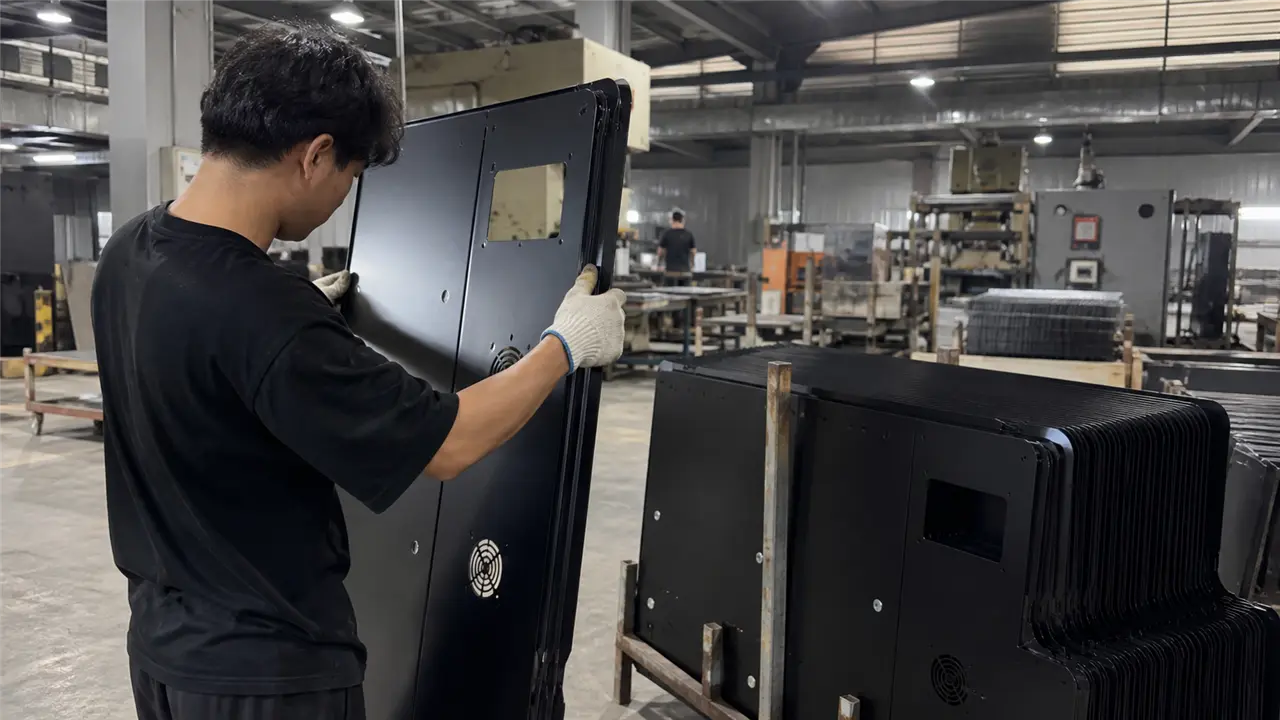
To deliver 24/7 reliability across continuous multi-year operation, our Panyu engineering team re-architected the mechanical wiper drive assembly from the foundation up:
┌─────────────────────────────────────────────────────────────────────────────┐ │ INDUSTRIAL BLDC WIPER DRIVE BLUEPRINT │ ├─────────────────────────────────────────────────────────────────────────────┤ │ [24V INDUSTRIAL BLDC MOTOR] 25Nm stall torque, brushless electronic commut.│ │ │ │ │ ▼ │ │ [STEEL PLANETARY GEARBOX] Heat-treated 40Cr steel gears with synthetic grease│ │ │ │ │ ▼ │ │ [HARDENED CAM & CONNECT-ROD] Precision eccentric crank with needle bearings │ │ │ │ │ ▼ │ │ [DUAL LINEAR GUIDE RAILS] 20mm ground chrome shafts with recirculating │ │ linear ball bearing blocks (THK style) │ │ │ │ │ ▼ │ │ [2.0mm GALVANIZED WIPER] Zero-deflection SPCC pusher blade with beveled │ │ leading edge to prevent coin under-ride │ └─────────────────────────────────────────────────────────────────────────────┘
1. Industrial 24V Brushless DC (BLDC) Motor with Planetary Reduction
We completely eliminated brushed commutators and plastic gears. Our pusher mechanisms are powered by industrial 24V brushless DC motors rated for 50,000 continuous operating hours.
- Torque Rating: The motor couples to a heavy-duty, multi-stage planetary gearbox with heat-treated 40Cr alloy steel gears, delivering a continuous operating torque of 18.5 Nm and a peak stall torque of 25.0 Nm.
- Thermal Management: Because BLDC motors generate heat primarily in the outer stator rather than the rotor, heat dissipates directly into the aluminum motor casing, keeping winding temperatures below 55°C even under a maximum 30,000-token bed load.
- Variable Speed Stroke Adjustment: Using our proprietary motherboard controller, operators can fine-tune wiper stroke frequency between 12 and 28 strokes per minute directly via the digital operator menu, adjusting gameplay tempo to match venue footfall dynamics.
2. Dual Linear Ball Bearing Guide Rails
Instead of relying on cheap stamped sheet metal friction slides that bind when side loads occur, our wiper plate travels along dual 20mm case-hardened ground steel shafts supported by precision recirculating linear ball bearing pillow blocks.
- The wiper push blade is laser-cut from 2.0mm cold-rolled galvanized SPCC steel.
- The bottom leading edge of the blade is precision-machined with a 15-degree reverse bevel and fitted with a sacrificial self-lubricating POM wear strip. This prevents metal tokens from jamming or wedging beneath the pusher plate, eliminating the primary cause of mechanical motor lockups.
The 3-Axis MEMS Digital Tilt Protection System
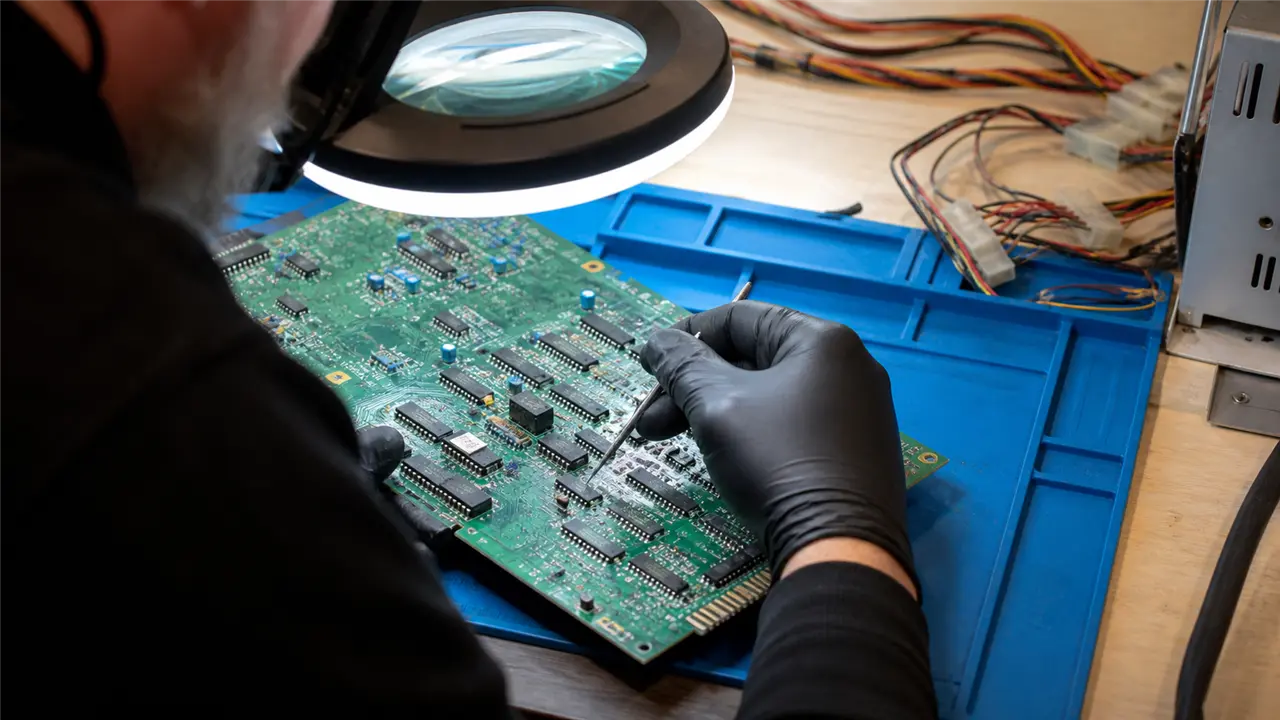
To permanently shut down cabinet kicking, slamming, and hoisting exploits, we replaced obsolete pendulum switches with military-grade digital motion sensing:
┌─────────────────────────────────────────────────────────────────────────────┐ │ 3-AXIS MEMS TILT DETECTION ARCHITECTURE │ ├─────────────────────────────────────────────────────────────────────────────┤ │ [3-AXIS DIGITAL ACCELEROMETER] Continuous 400Hz sampling across X, Y, and Z │ │ │ │ │ ▼ │ │ [DSP FIR FILTERING ALGORITHM] Distinguishes normal floor rumble from sudden│ │ │ impact shocks (> 1.2G within < 15ms) │ │ ▼ │ │ [SOLENOID-LOCKED TRAP DOOR] Pneumatic/solenoid flap instantly closes │ │ │ over coin chute; diverts coins to lockbox │ │ ▼ │ │ [PULSE SHUTDOWN & SIREN] Freezes ticket payout; sounds 105dB alarm │ └─────────────────────────────────────────────────────────────────────────────┘
1. High-Frequency Sampling with Finite Impulse Response (FIR) Filtering
Mounted directly to the structural center of the cabinet chassis, our anti-tamper module incorporates a 3-axis MEMS digital accelerometer sampling at 400 Hz.
- The microcontroller runs a real-time digital signal processing (DSP) algorithm that measures instantaneous acceleration vectors ($\Delta G / \Delta t$) across X, Y, and Z axes.
- False-Positive Immunity: The software intelligently differentiates between low-frequency building vibrations (such as heavy foot traffic, nearby bass speakers, or cleaning carts) and the sharp, high-G transient shock signature produced when an aggressive player kicks the cabinet base.
2. High-Speed Solenoid Anti-Theft Trapdoor
When the accelerometer detects an acceleration spike exceeding 1.2G with a rise time under 15 milliseconds: 1. Within 8 milliseconds, the mainboard energizes a heavy-duty industrial solenoid that swings a physical steel trapdoor across the coin payout lip. 2. Any coins dislodged by the physical impact are diverted directly into an internal operator drop safe rather than spilling into the player’s payout tray. 3. The machine instantly disables coin insertion, freezes ticket dispensing, sounds an internal 105dB audio siren, and flashes the marquee LED halo in strobe red, alerting venue floor attendants to the attempted exploit.
Dual-Beam Optical Drop Sensors with Self-Cleaning Diagnostics
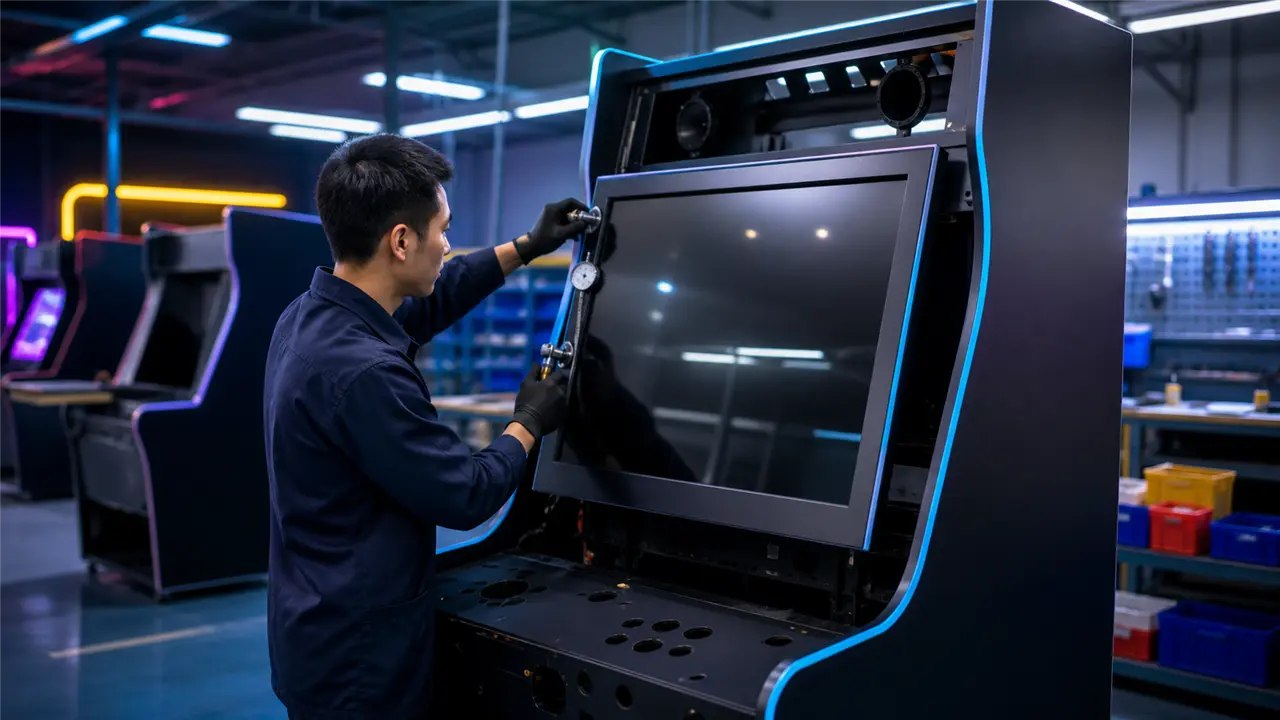
To eliminate optical sensor blindness and token counting inaccuracies, we engineered a dual-beam infrared detection curtain:
┌─────────────────────────────────────────────────────────────────────────────┐ │ DUAL-BEAM OPTICAL COUNTING ARCHITECTURE │ ├─────────────────────────────────────────────────────────────────────────────┤ │ [TX1: 940nm IR EMITTER] ───────────────► [RX1: SYNCHRONOUS DETECTOR] │ │ │ │ │ │ [12mm GAP] ▼ │ │ │ [COINCIDENCE LOGIC: VALID] │ │ [TX2: 940nm IR EMITTER] ───────────────► [RX2: SYNCHRONOUS DETECTOR] │ │ │ │ • Pulse width validation: Token must break Beam 1, then Beam 2 within 8-25ms│ │ • Reverse break (Beam 2 then Beam 1) flags coin-stringing fraud immediately │ │ • Auto-calibrating emitter current compensates for gradual dust buildup │ └─────────────────────────────────────────────────────────────────────────────┘
1. Sequential Coincidence Timing: Tokens falling down the payout chute must break two independent 940nm modulated infrared beams spaced 12mm apart. The microprocessor verifies the velocity profile: a falling token must break Beam 1, then Beam 2 within a strict 8-to-25 millisecond window. 2. Anti-Stringing Protection: If a token breaks Beam 2 and then moves backward to break Beam 1, the controller detects reverse trajectory (a classic stringing attack). The machine instantly locks the coin chute and cancels the credit. 3. Adaptive Auto-Dust Calibration: The optical receiver circuit continuously monitors ambient optical attenuation. As microscopic metal dust accumulates on the lens, the microcontroller automatically increases emitter LED drive current to maintain consistent signal-to-noise margins. If dust obscuration reaches 75% capacity, the board flags a maintenance alert on the operator diagnostic screen before false ticket payouts can occur.
| Technical Parameter | Our Factory Commercial Spec | Competing Generic Clones | Operational Impact |
|---|---|---|---|
| **Motor Type** | 24V Brushless DC (BLDC) | 12V Brushed DC Motor | 50,000h lifespan vs. 3-month brush failure |
| **Gearbox Construction** | 40Cr heat-treated planetary steel | Molded plastic nylon spur gears | Zero stripped gear teeth under maximum coin load |
| **Wiper Plate Material** | 2.0mm cold-rolled galvanized steel | 1.0mm painted mild steel | Zero plate bowing; eliminates coin under-ride jams |
| **Tilt Detection Technology** | 3-axis MEMS accelerometer (400Hz) | Mechanical swinging pendulum | Immune to manual bypass; eliminates kick cheating |
| **Optical Drop Validation** | Dual-beam sequential timing (940nm) | Single-beam phototransistor | Eliminates coin stringing and dust false payouts |
| **Exterior Enclosure** | 1.8mm CNC steel + 6mm tempered glass | Particleboard + 3mm acrylic | Heavy-duty vandal-proof structural longevity |
To understand how coin mechanisms integrate with mainboard electronics, review our technical guide on bill validator and coin hopper factory integration, examine our industrial wiring benchmarks in arcade PCB manufacturer sourcing and JAMMA harness reliability standards, and explore our complete turnkey arcade hardware and software bundled manufacturing frameworks.
Need complete wiring schematics, cabinet CAD dimension blueprints, or custom coin pusher payout math models? Request our full factory engineering package through our Custom Development Portal or connect with our engineering team directly.
Commercial ROI and Payback Economics for Arcade Venues
Commercial coin pushers deliver some of the highest cashbox yields per square foot in the entire amusement industry. Below is a real-world operating budget based on our commercial 6-player circular coin pusher operating in a typical suburban family entertainment center:
┌─────────────────────────────────────────────────────────────────────────────┐ │ 6-PLAYER ROTATING COIN PUSHER CASHBOX MODEL │ ├─────────────────────────────────────────────────────────────────────────────┤ │ • MACHINE CAPEX: $4,200 FOB Panyu + $850 Shipping/Duty = $5,050 Landed Cost │ │ • FOOTPRINT: 1.8m diameter circular footprint (approx. 2.6 m² floor area) │ │ • AVERAGE PLAYERS: 2.8 simultaneous players during 8 peak operating hours │ │ • AVERAGE TOKEN CONSUMPTION: 120 tokens ($30 gross) per player-hour │ │ • GROSS DAILY REVENUE: $672 / day (Friday – Sunday); $210 / day (Mon – Thu) │ │ • WEEKLY GROSS REVENUE: $2,856 / week │ │ • TOKEN PRIZE PAYOUT REDEMPTION COST (32% target retention): $914 / week │ │ • NET WEEKLY CASHBOX MARGIN: $1,942 / week │ │ ─────────────────────────────────────────────────────────────────────────── │ │ • FULL CAPITAL RECOUPMENT TIMELINE (ROI): 2.6 WEEKS (18 CALENDAR DAYS) │ └─────────────────────────────────────────────────────────────────────────────┘
Because our cabinets are built with 1.8mm CNC laser-cut steel, industrial BLDC motors, and dual-beam optical sensors, maintenance operating costs average under $45 per year (limited to routine cleaning and occasional light bulb replacements). A single machine generates predictable net cashflow for five to ten years without requiring major mechanical overhauls.
Frequently Asked Questions
Can your factory configure coin pushers for local currency coins instead of tokens?
Yes. Our mechanical coin slots, hoppers, and drop chutes are fully customizable. We calibrate the coin entry bezels, optical sensors, and hopper disk wheels to accept genuine currency coins (such as US quarters, Euro 1-euro coins, British 10-pence coins, or Australian 1-dollar coins) or proprietary venue amusement tokens ranging from 18mm to 30mm in diameter and 1.5mm to 3.0mm in thickness.
How do operators adjust payout percentage and token retention?
Payout percentage is controlled through two mechanical and software mechanisms: 1. Mechanical Side-Chute Diverters: Operators adjust calibrated slider plates on the left and right edges of each pusher shelf. Coins pushed over the side fall into the operator’s internal cash drop box (house retention), while coins pushed over the front lip drop to the player. Adjusting the side diverter gap allows fine-tuning of house retention between 20% and 45%. 2. Software Ticket Bonus Rounds: For ticket redemption models, the operator menu allows precise configuration of ticket payout ratios, jackpot wheel drop frequencies, and mystery ticket bonuses based on coin drop velocity.
What is the lead time for custom branded coin pusher cabinets?
Standard 2-player, 4-player, and 6-player cabinet configurations ship within 15 to 20 business days from our Panyu factory floor following deposit. Custom cabinet builds featuring bespoke exterior vinyl wraps, custom LED topper signage, or integrated bill-to-token changers ship within 25 to 35 business days following final CAD sign-off.
json
Commercial Risk-Reversal Guarantees for Direct Factory Procurement
To eliminate overseas purchasing hesitation and guarantee zero capital risk, our Panyu factory backs every commercial order with four ironclad commitments: 1. Low-Risk Sample Prototyping: We support 1-unit custom sample trial orders before committing to 20GP/40HQ container runs, allowing you to test physical chassis build quality, coin mech reliability, and game RTP firsthand. 2. Third-Party FAT Audits Welcome: We welcome third-party inspection teams from SGS, Intertek, or TÜV to conduct comprehensive onsite Factory Acceptance Testing on our assembly floor before container loading. 3. 100% Clean IP and Source Code Ownership: All custom software development contracts include full uncompiled Unity/C++ source code buyout with zero backdoors, perpetual commercial licenses, and clean IP indemnification. 4. 12-Hour Remote Engineering SLA: Direct WhatsApp and WeChat priority technical support groups linked directly to Engineer Wang’s hardware lab for live video debugging, schematic reviews, and replacement component dispatch.
Ready to upgrade your venue’s redemption floor with heavy-duty commercial coin pushers or need factory direct wholesale pricing? Contact me (Engineer Wang) directly via WhatsApp/WeChat at `+86 17620842078`, reach our Telegram engineering desk at `https://t.me/JLwyc`, or email `miba515527@gmail.com`. We will provide detailed dimensional blueprints, motor performance data, and wholesale container pricing tailored to your venue.