- Distinguishing Natural Gameplay Variance from Systematic Fraud
- Mathematical Analysis of Bullet Consumption to Capture Ratio Deviations
- Step-by-Step Hardware Inspection of Internal Game PCB Traces
- Audit Log Reconciliation Comparing Bookkeeping Meters to Cashbox Counts
- Remediation Protocols for Restoring Game Integrity and Operator Confidence
- Related Defense Systems and Anti-Cheat Resources
When a commercial fish table suddenly experiences a prolonged string of massive payouts, operators often wonder whether they are suffering a statistical bad run or being systematically targeted by cheaters. In the fast-paced arcade environment, distinguishing normal variance from coordinated fraud requires rigorous mathematical analysis and thorough hardware inspection. Installing industrial arcade anti-cheat defense systems provides continuous data integrity, ensuring that abnormal payout spikes are flagged and halted automatically.
Fish games operate on strict mathematical algorithms designed to yield consistent operator hold percentages, typically between 15% and 30%. While individual player sessions fluctuate, the cumulative drop across 50,000 shots inevitably converges toward the programmed baseline. For a comprehensive architectural overview and turnkey procurement frameworks, review our master guide on commercial arcade loss prevention guide.
Distinguishing Natural Gameplay Variance from Systematic Fraud
When an exploit is active, the mathematical curve collapses. A telltale sign is the boss fish capture rate: if specific players consistently land legendary dragons or high-tier multipliers within 50 to 100 shots across multiple days, the probability of random luck drops to zero.
To begin a forensic audit, extract the game’s internal bookkeeping logs. Record the lifetime coin-in, coin-out, total play score, and win ratios across every individual player station.
Mathematical Analysis of Bullet Consumption to Capture Ratio Deviations
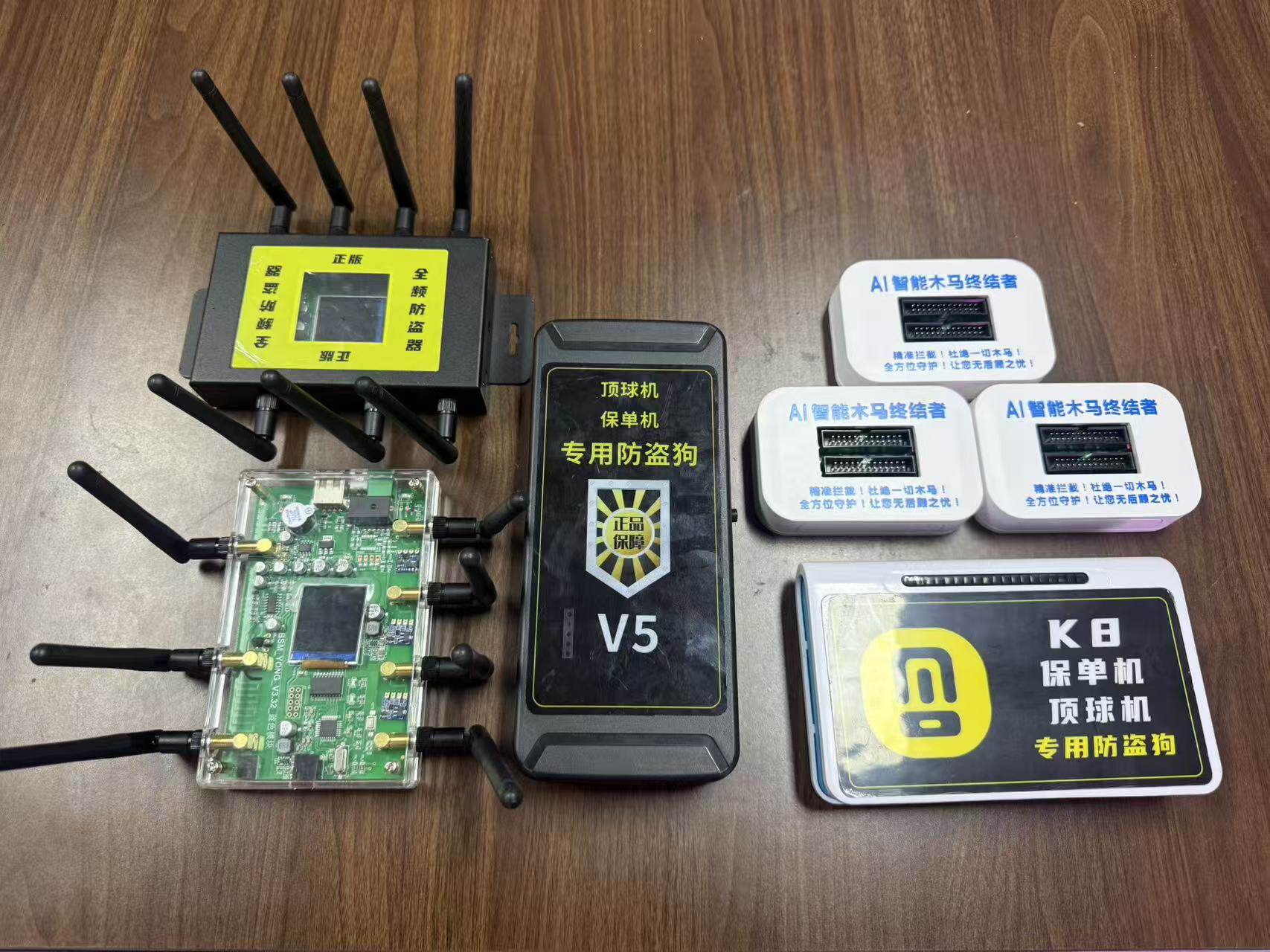
Compare these software meters directly against physical cash box reconciliation records. If the game registered $5,000 in credit additions but the bill validator stacker contains only $3,200, an electronic pulse injection attack or card-head wire-tap is definitively confirmed.
Next, perform a physical teardown of the cabinet interior. Disconnect the mainboard and inspect the solder joints along the JAMMA edge connector. Check for micro-jumpers connecting data bus lines to external radio-frequency receivers.
Step-by-Step Hardware Inspection of Internal Game PCB Traces
| Audit Metric | Normal Operational Range | Suspect / Tampered Indicator | Probable Exploitation Method | Immediate Action |
|---|---|---|---|---|
| Hold Percentage | 15% – 35% Hold | < 5% Hold or Negative Payout | Firmware Trojan / RNG Hook | Quarantine PCB & reflash EPROM |
| Boss Fish Kill Rate | 1 in 800 – 1500 shots | 1 in 50 – 100 shots (Consistent) | AI / Wireless Trigger Daughterboard | Inspect harness for RF receiver |
| Coin-In vs Bill Stack | Matches within 0.5% | Ghost pulse disparity > $100 | EMP Sparker / Wire-Tap injection | Install optical pulse conditioner |
| Session Duration | 15 – 45 Mins average | Rapid max-bet hit-and-run (<5 mins) | Syndicate exploit team | Review surveillance footage |
Remove the main EPROM memory chips and compute their SHA-256 cryptographic hashes using a standalone ROM burner, comparing the results against factory-certified source images.
Inspect the bill validator harness for spliced wires or covert signal booster boards hidden inside protective wire conduits.
Audit Log Reconciliation Comparing Bookkeeping Meters to Cashbox Counts
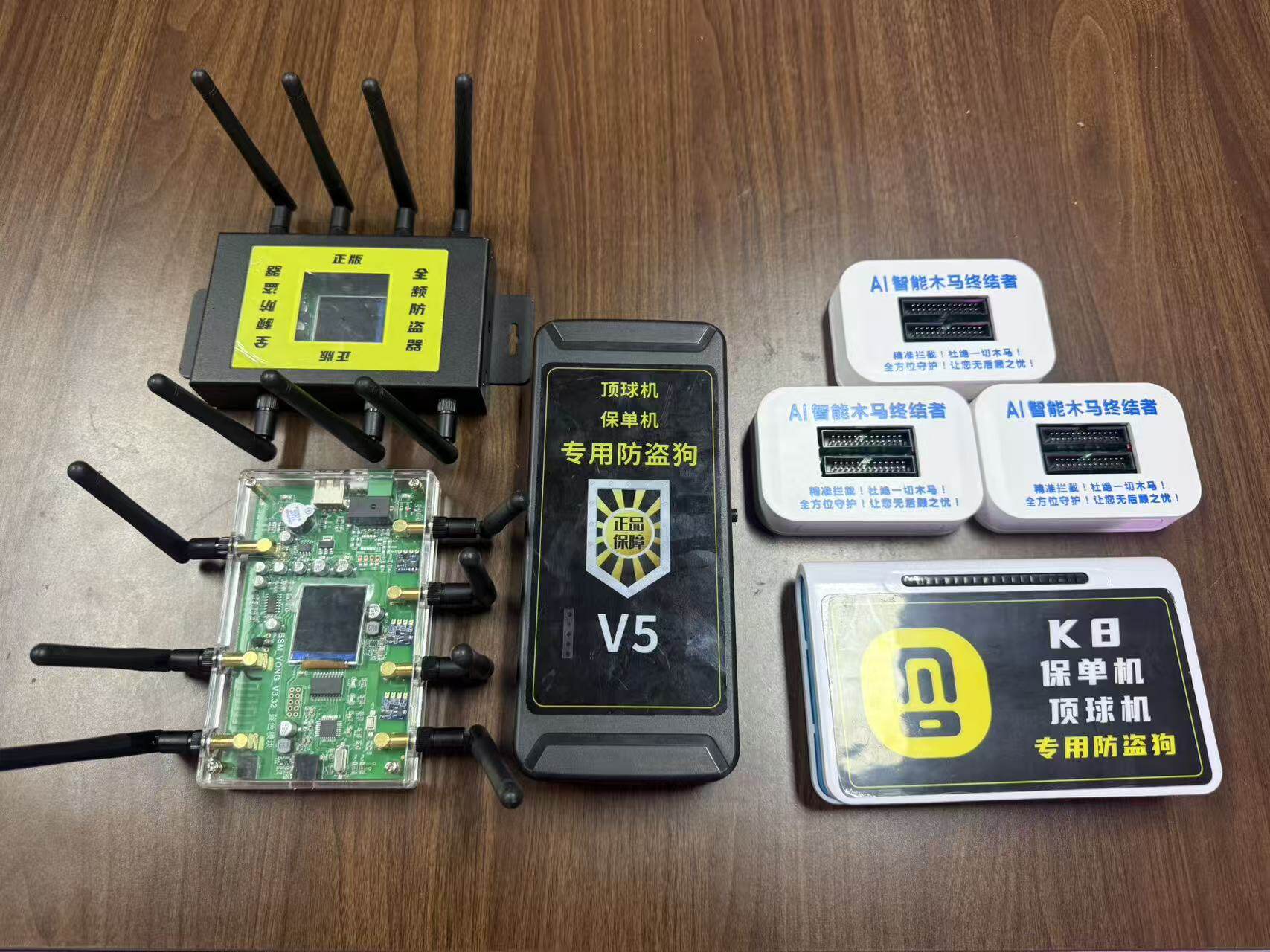
If tampering is identified, replace the compromised wiring with authenticated factory harnesses and install an active anti-cheat module to clamp transient voltages and enforce pulse-timing integrity.
Adopting a systematic audit methodology restores operational certainty, guaranteeing that your game floor delivers predictable, profitable returns.
Remediation Protocols for Restoring Game Integrity and Operator Confidence
If tampering is identified, replace the compromised wiring with authenticated factory harnesses and install an active anti-cheat module to clamp transient voltages and enforce pulse-timing integrity.
Adopting a systematic audit methodology restores operational certainty, guaranteeing that your game floor delivers predictable, profitable returns.
Related Defense Systems and Anti-Cheat Resources
- 9 telltale signs of fish table cheating — Behavioral and statistical indicators of active arcade fraud.
- inspecting used fish cabinets — Checking pre-owned cabinets for covert cheat hardware.
- auditing arcades in under an hour — Fast systematic revenue and meter auditing SOP for floor managers.