Modern arcade operators face sophisticated electronic cheating techniques ranging from high-frequency EMP jammers to Trojan-infected game boards. Protecting your venue’s revenue requires a layered hardware defense strategy that detects anomalous pulse injections, isolates electromagnetic interference, and safeguards your daily coin box profits.
Understanding Vulnerabilities in Commercial Arcade Machines
Commercial game cabinets and fish table machines rely on low-voltage pulse lines between bill acceptors, coin hoppers, and the main game board. Unprotected wiring allows bad actors to inject artificial credit signals or spoof validator pulses without inserting physical currency. For further architectural integration standards, refer to The Complete Guide to Arcade Machine Security. For factory-direct procurement and comprehensive engineering specs, consult our master guide on industrial arcade machine security and anti-cheat hardware defense.
Operators often discover these losses only during weekly reconciliation, when payout percentages exceed expected mathematical limits. Implementing dedicated machine security hardware stops these attacks at the physical boundary. For further architectural integration standards, refer to The Complete Guide to Remote Live Arcade.
Deploying Anti-Cheat Watchdogs and Signal Isolation
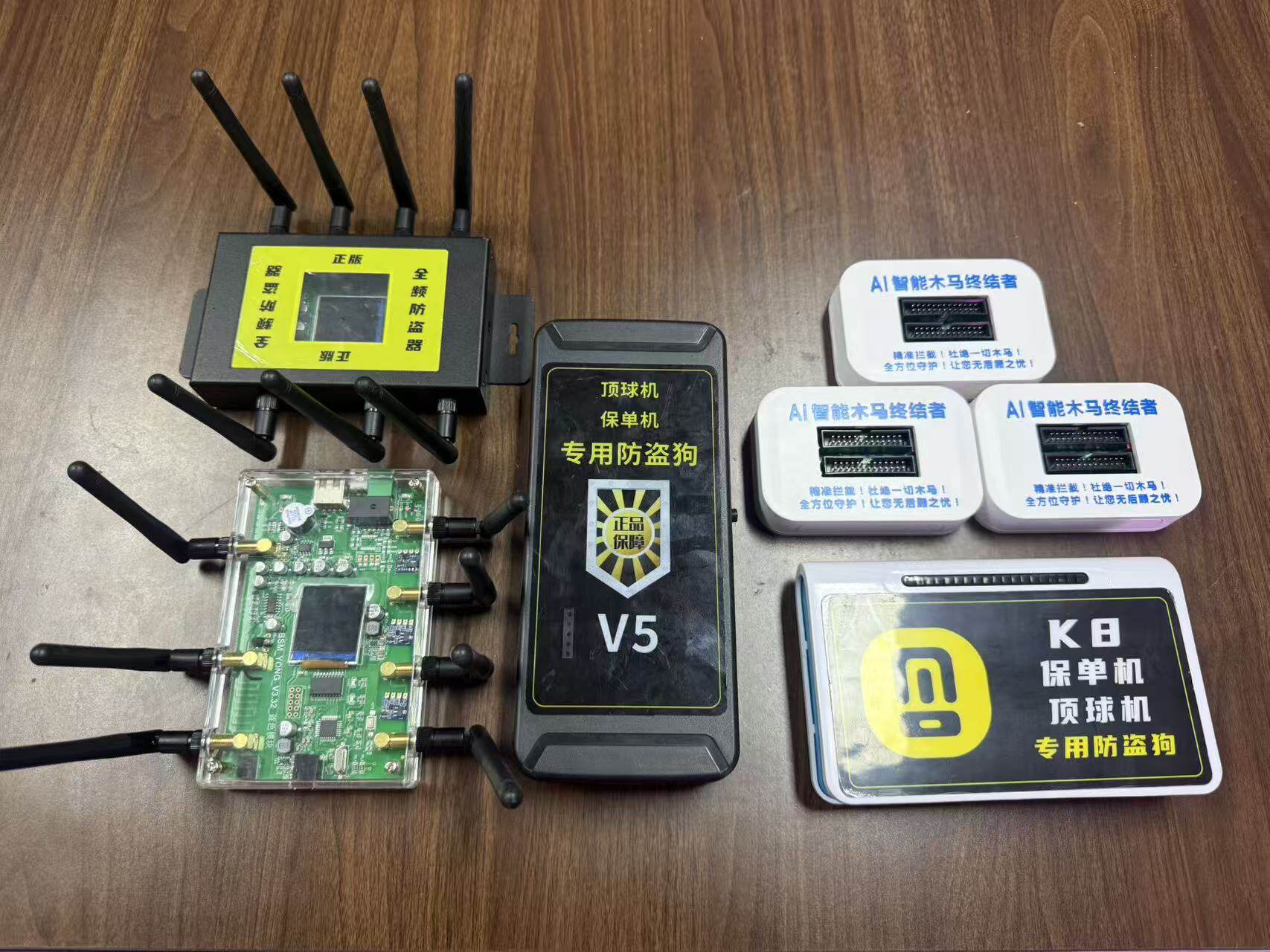
Dedicated anti-cheat watchdogs monitor real-time pulse duration, voltage fluctuations, and signal patterns on all input channels. If an unauthorized high-frequency frequency burst or EMP pulse is detected, the watchdog instantly disconnects the credit relay within 10 milliseconds, triggering an alarm and preventing fraudulent score accumulation. For further architectural integration standards, refer to The Complete Guide to Custom Casino Game.
| Defense Layer | Threat Addressed | Response Latency | Protection Mechanism |
|---|---|---|---|
| EMP Shielding | High-voltage sparkers & jammers | Instantaneous (<1ms) | Faraday cage & ferrite chokes |
| AI Signal Watchdog | Trojan code & pulse injection | <10ms | Real-time waveform analysis |
| Anti-Theft Dog | Card-head wire tap & score theft | <50ms | Resistance & current loop monitoring |
Integrating Trojan Defense for Game Board Firmware
Beyond external jammers, rogue technicians and malicious players may attempt to flash unauthorized firmware onto game PCBs. A robust Trojan defense board continuously verifies bootloader signatures and checksum integrity, alerting venue managers when unauthorized memory modifications occur.
This hardware-level verification ensures your game software operates strictly within its certified return-to-player (RTP) parameters.
Best Practices for Multi-Location Venue Management
Managing security across multiple arcade locations requires standardized installation procedures and regular hardware audits. Each cabinet should have its grounding verified, bill validator harnesses shielded, and watchdog status indicators clearly visible to floor staff.
Training floor attendants to spot telltale player behavior, such as hovering near coin slots with hidden handheld devices, completes the security perimeter.
Technical Specifications and Installation Requirements
When selecting anti-cheat hardware for your arcade floor, prioritize industrial-grade components designed for continuous 24/7 operation.
- Operating Voltage: 110V / 220V dual voltage auto-switching
- Power Consumption: Ultra-low <5W standby power
- Enclosure: Flame-retardant ABS housing with vibration damping
- Certification: FCC and CE compliance for commercial entertainment venues