Skip to content

Arcade Machine Anti-Cheat Solutions & Security Guide

Protect Fish Table, Gambling, Jackpot, and Redemption Machines from Hidden Cheating Methods

Most arcade operators do not immediately realize when their machines are being manipulated.

In many cases:

  • the machine still powers on normally
  • gameplay appears stable
  • accounting systems show no obvious errors
  • software inspections find nothing unusual

But profitability keeps falling.

Over the past 14 years working in arcade machine anti-cheat protection, I’ve seen this happen repeatedly across fish table halls, gambling arcades, jackpot rooms, and redemption machine operations in Southeast Asia, Latin America, the Middle East, and Eastern Europe.

At first, operators usually suspect:

  • machine probability settings
  • software instability
  • poor player traffic
  • employee mistakes
  • hardware aging

But after technical inspection, the real cause is often something else entirely:

Hidden cheating and machine manipulation.

Modern arcade cheating is no longer limited to fake coins or simple external devices.

Today’s attacks may involve:

  • wireless signal interference
  • Bluetooth communication
  • joystick cheat codes
  • hidden Trojan logic
  • payout manipulation
  • motherboard signal interception
  • jackpot prediction systems
  • internal data leakage

Some attacks last only seconds at a time, making them extremely difficult to identify manually.

This is why many arcade operators continue losing money even when their machines appear completely normal.


Common Arcade Machine Cheat Methods

Modern cheating methods have become far more technical than most operators expect.

Below are some of the most common attack types currently affecting fish table and gambling-style arcade machines.


Score Theft Devices

This is one of the oldest forms of arcade cheating, but it still exists in many markets.

Attackers inject false credit signals into the machine to manipulate:

  • score registration
  • credit balance
  • payout behavior

Modern score theft systems are often designed to avoid obvious detection by using randomized signal timing.

Common symptoms include:

  • unexplained payout increases
  • accounting mismatches
  • declining machine profitability
  • abnormal player win rates

Bluetooth & Wireless Signal Attacks

Wireless cheating methods have increased significantly in recent years.

Some attacks use:

  • Bluetooth modules
  • hidden RF transmitters
  • modified remote controllers
  • mobile communication devices

The goal is usually to interfere with machine communication or trigger hidden machine behavior remotely.

These attacks are especially common in:

  • fish table machines
  • linked jackpot systems
  • gambling-style arcade cabinets

Joystick & Button Trojan Cheats

Many modern machines contain hidden control vulnerabilities that can be triggered through:

  • joystick sequences
  • button combinations
  • timing-based inputs
  • operator command logic

When activated successfully, these hidden commands may manipulate:

  • payout probability
  • jackpot timing
  • game logic behavior
  • hidden administrator functions

This category of cheating is extremely difficult to identify because no visible hardware modification may exist.


Jackpot Manipulation

Some advanced cheating groups focus specifically on jackpot systems.

These attacks may involve:

  • communication interference
  • timing manipulation
  • result prediction
  • payout synchronization attacks

Operators usually notice symptoms such as:

  • jackpots triggering abnormally
  • repeated wins by specific players
  • unstable profitability patterns

Data Leakage & Result Prediction

Modern arcade machines constantly exchange internal communication data.

If these transmissions are exposed, attackers may attempt to predict machine results before they officially appear on-screen.

Common leakage paths include:

  • Bluetooth transmission
  • WiFi communication
  • printer signal leakage
  • COM port exposure
  • motherboard communication analysis

This type of attack is particularly dangerous because it may continue silently for long periods.


RF Signal Interference

Certain cheating systems use electromagnetic or radio-frequency interference to destabilize machine communication.

Symptoms may include:

  • random payout behavior
  • unexplained machine instability
  • sudden revenue decline during busy hours
  • inconsistent machine response behavior

Traditional software-level protection usually cannot stop this type of attack because the interference occurs at the hardware signal layer.


Why Traditional Anti-Cheat Methods Often Fail

Many older anti-cheat systems were designed for simpler attack methods.

But modern arcade cheating has evolved rapidly.

Today’s attacks increasingly target:

  • machine communication
  • signal behavior
  • control logic
  • internal data transmission

This creates several problems for traditional protection systems.


Software Alone Is No Longer Enough

Many attacks now happen outside the software layer entirely.

The machine software may appear completely normal while external signals manipulate machine behavior in real time.


Temporary Attacks Are Hard to Detect

Some cheating devices only activate briefly.

As a result:

  • machines pass inspection
  • operators find no visible problem
  • profitability continues declining

Modern Cheating Is Often Wireless

Traditional protection systems usually focus on physical hardware tampering.

But many current attacks rely instead on:

  • Bluetooth communication
  • hidden wireless transmission
  • RF interference
  • remote signal injection

Anti-Cheat Protection Systems

Different cheating methods require different protection strategies.

Our anti-cheat systems were developed specifically for real arcade operating environments where modern attacks continue evolving.


Anti-Score Theft Protection

Designed for:

  • fish table machines
  • redemption machines
  • gambling arcade cabinets
  • payout systems

Main protection focus:

  • score theft prevention
  • signal interference blocking
  • abnormal communication detection
  • RF attack disruption

This system helps protect long-term machine profitability against external signal manipulation.


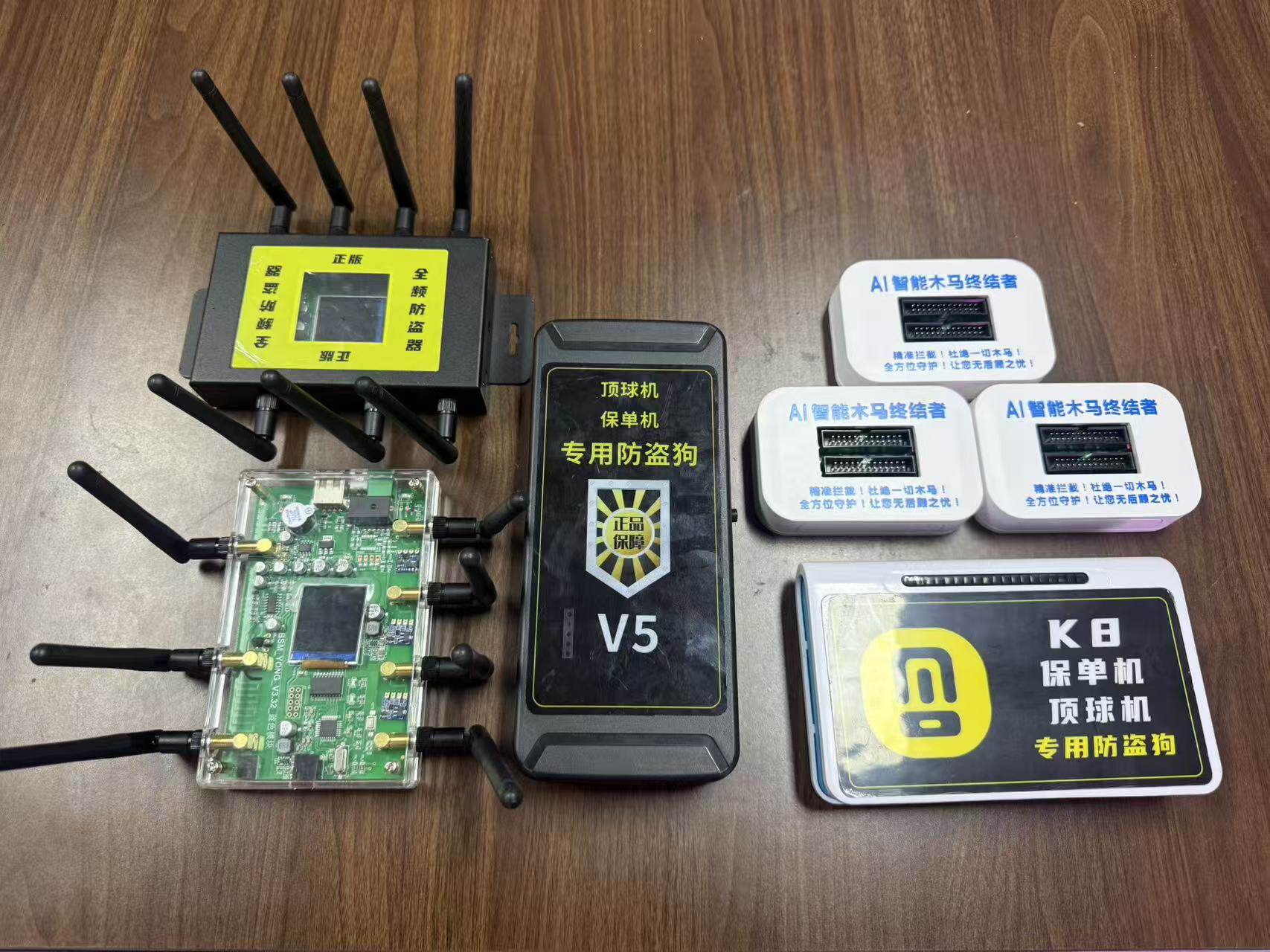
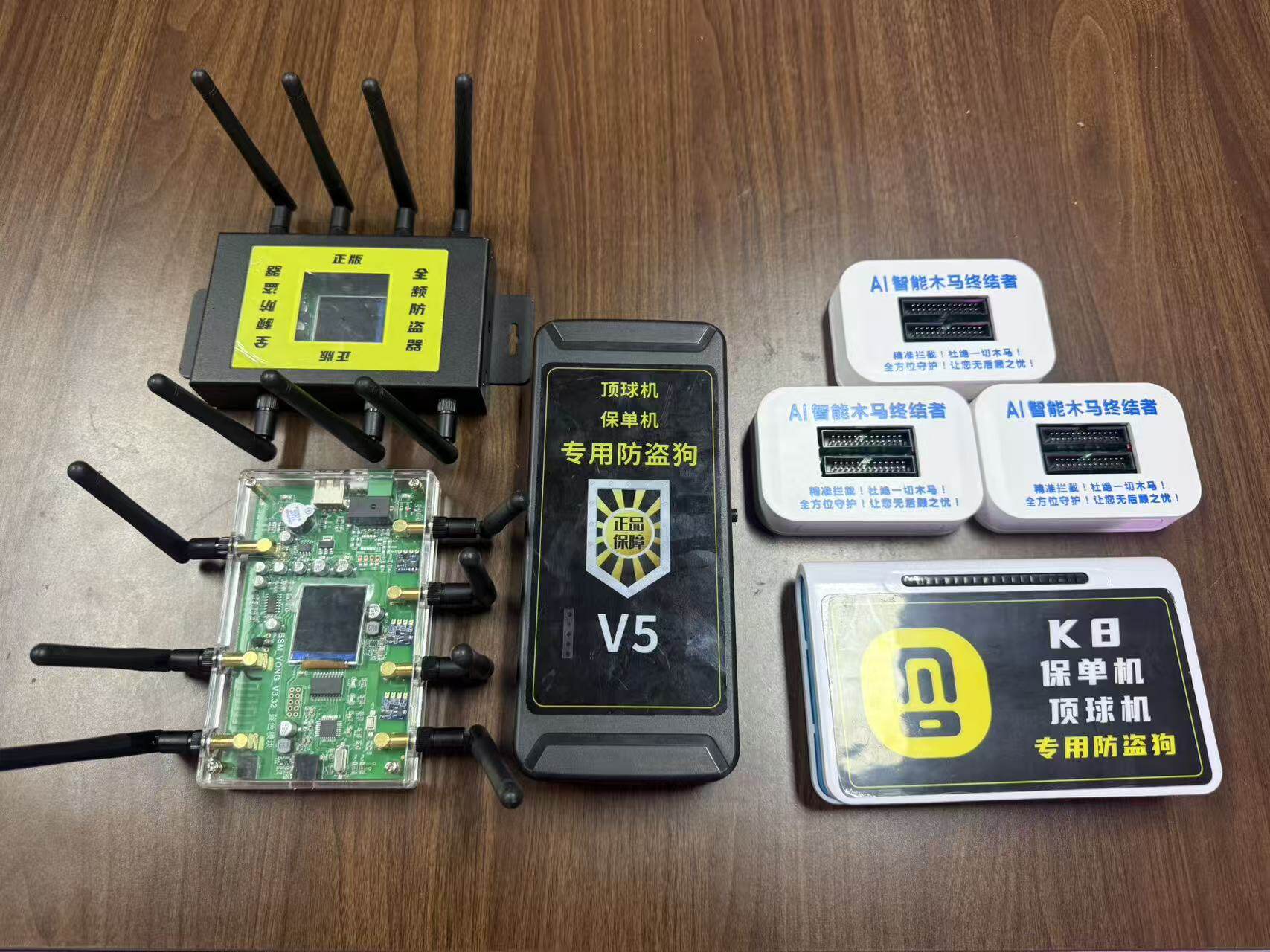
AI Anti-Trojan System

Designed specifically to block:

  • hidden joystick cheat codes
  • button-sequence attacks
  • control manipulation
  • hidden command activation

The AI system continuously analyzes control behavior and disrupts suspicious command patterns before hidden logic can activate successfully.

This is especially important for modern fish table systems where Trojan-based manipulation has become increasingly common.


Anti Data Leakage Devices (V5 / K8)

These systems focus on preventing:

  • Bluetooth leakage
  • WiFi result transmission
  • COM port interception
  • printer signal leakage
  • motherboard communication exposure

The V5 system is commonly used for larger-area protection across multiple machines.

The K8 system is optimized for ticket and insurance-style machines where printer communication leakage is more common.


Signs Your Machines May Already Be Compromised

Many operators only begin investigating anti-cheat protection after losses become severe.

But modern cheating systems often leave operational warning signs long before obvious failure occurs.


Certain Players Always Win

If specific players consistently outperform statistical expectations, especially across multiple sessions, hidden manipulation should always be considered.


Machines Suddenly Stop Being Profitable

This is one of the most common early-stage symptoms of external machine interference.

The machines may continue operating normally while long-term revenue steadily declines.


Jackpot Behavior Feels Abnormal

Repeated jackpot timing irregularities may indicate communication or payout manipulation rather than ordinary probability fluctuation.


Revenue No Longer Matches Traffic

Busy arcades should normally produce stronger machine performance.

If player traffic remains stable while profits decline, hidden interference may already be occurring.


Machines Pass Inspection but Problems Continue

This often happens when attacks rely on:

  • temporary signal activation
  • wireless interference
  • hidden command sequences
  • internal communication analysis

About Engineer Wang

For the past 14 years, I’ve focused specifically on arcade machine anti-cheat protection and hardware security.

Over time, I’ve worked with most mainstream fish table and gambling machine architectures used in overseas markets.

This includes experience involving:

  • score theft systems
  • signal interference attacks
  • Bluetooth cheating devices
  • joystick Trojan manipulation
  • payout control systems
  • machine communication leakage
  • jackpot manipulation methods

In many cases, operators initially believed they had software or hardware failures when the real issue was hidden external manipulation.

Modern arcade cheating has become increasingly technical.

Understanding how these attacks work at the signal and communication level is now just as important as maintaining the machine hardware itself.


Frequently Asked Questions

Can fish table machines really be hacked?

Yes. Modern fish table systems may be targeted through signal interference, hidden control logic, data leakage, or communication manipulation depending on the machine architecture.


Can Bluetooth devices manipulate arcade machines?

Certain cheating systems attempt to use Bluetooth or wireless communication to interfere with machine behavior or obtain internal machine data.


Why do certain players always seem to win?

Repeated abnormal player success may indicate hidden manipulation methods, especially when statistical behavior becomes inconsistent with normal gameplay patterns.


Can jackpot systems leak result information?

Yes. Some machines may expose communication data through wireless transmission, printers, or internal communication channels.


Do anti-cheat systems require rewiring?

Most modern protection systems are designed for plug-and-play deployment without motherboard modification.


Can cheating happen even when the machine looks normal?

Yes. Many modern attacks are specifically designed to avoid visible detection while continuing to affect long-term profitability.


Get Professional Anti-Cheat Diagnosis

If your machines are experiencing:

  • unexplained profitability decline
  • suspicious player behavior
  • abnormal payouts
  • jackpot irregularities
  • signal interference concerns
  • possible data leakage

you can send:

  • machine photos
  • motherboard photos
  • payout videos
  • machine model information
  • descriptions of abnormal behavior

for technical anti-cheat analysis.

WhatsApp / WeChat / Phone

+86 17620842078


Final Advice From Engineer Wang

Many arcade operators focus mainly on machine maintenance while overlooking machine security.

But modern cheating technology has evolved rapidly over the past several years.

Today’s attacks increasingly target:

  • communication systems
  • signal behavior
  • hidden control logic
  • internal machine data

By the time revenue problems become obvious, long-term losses may already have accumulated across the arcade floor.

In modern arcade environments, protecting machine communication and control systems is now just as important as maintaining the machine hardware itself.

Leave a Reply

Your email address will not be published. Required fields are marked *