- The Hidden Commercial Dangers of SaaS Revenue Sharing Models
- Defining True 100 Percent Source Code Buyout at Guangzhou Miba
- Legal IP Asset Transfer and Commercial Master Agreements
- Bare Metal Private Cloud Infrastructure Architecture
- Database Scaling and Load Balancing Configurations
- CI CD Pipeline Automation and Operator Engineering Handover
- Actionable Next Steps for Game Operators
- Frequently Asked Questions About Source Code Buyouts
As the lead systems architect and hardware engineer at Guangzhou Miba Animation Technology Co., Ltd., I have witnessed hundreds of game operators fall into the same trap over my 12 years on the factory floor. They launch a highly successful gaming platform, build an incredibly strong and loyal player base, and then watch helplessly as their software provider drains their hard-earned profits through mandatory Gross Gaming Revenue rake. Even worse, some wake up to find their entire operation completely shut down over a sudden domain dispute or a third-party compliance sweep.
From our 15,000-square-meter manufacturing facility and software testing laboratory in Panyu, our 50-person development team takes a radically different approach to B2B game development. We are a source code software studio and a heavy industrial hardware factory. We fundamentally believe that when you pay for enterprise-grade game development, you should own the absolute rights to the core engine, the mathematical probability models, the network infrastructure, and the physical deployment topology.
In this comprehensive technical and legal briefing, I will outline precisely why smart global operators are aggressively pivoting to 100 percent source code buyout models. I will detail how we structure the legal transfer of Intellectual Property to protect your investment, and I will expose the exact bare metal server architectures we use to deploy secure private cloud environments completely free from third-party interference. For international operators seeking direct factory pricing and agile engineering sprints, inspect our workflow on custom casino game developers in China direct delivery workflow. Before finalizing multi-jurisdiction licensing and IP transfer contracts, evaluate our checklist on custom arcade software turnkey package and source code buyout terms.
The Hidden Commercial Dangers of SaaS Revenue Sharing Models
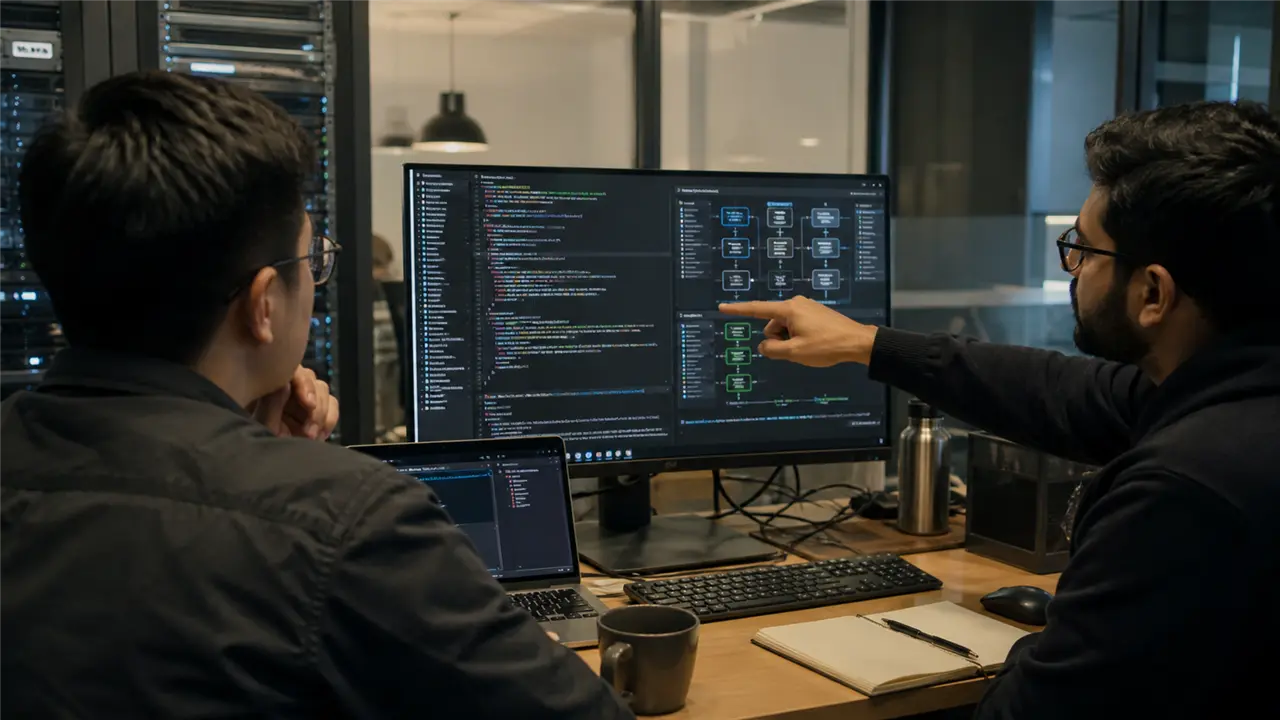
The prevailing model in the iGaming, sweepstakes, and arcade software industry is the Software as a Service revenue sharing agreement. Platform providers heavily market a low initial setup cost, but they embed a perpetual licensing fee that typically ranges from 15 percent to 25 percent of the operator’s Gross Gaming Revenue.
In the beginning phases, when player liquidity is low and the marketing budget is stretched thin, this seems like a highly favorable and fair trade-off. However, as the platform scales and traffic surges, the financial math becomes catastrophic for the independent operator. If your customized platform generates $200,000 in monthly Gross Gaming Revenue, a 20 percent rake forces you to hand over $40,000 every single month to a third-party vendor. Annually, that is nearly half a million dollars bled directly from your operational capital. This massive amount of capital could have been aggressively reinvested into massive player acquisition campaigns, higher RTP promotional retention strategies, or purchasing high-end customized physical machine cabinets for your VIP rooms.
Beyond the crushing financial math, SaaS models introduce extreme vendor lock-in that paralyzes your technical agility. Under a revenue-share model, you do not own the backend PostgreSQL database. You do not own the player transaction ledger. You do not own the core math engine governing the payout volatility and RNG distribution. If the provider arbitrarily decides to deprecate a specific API endpoint, alter the RNG distribution logic without warning, or aggressively increase their percentage fee, you have absolutely zero leverage to negotiate.
The most severe operational risk is the sudden domain ban or compliance blackout. We have seen massive operators wake up to find their entire operation blacked out because their shared-tenant SaaS provider was hit with a regional firewall block, a sudden DNS takedown, or a cloud provider terms-of-service violation. Because the operator does not control the backend infrastructure or the bare metal servers, they cannot quickly migrate their databases to a clean IP address or spin up a new private cloud cluster. They are completely paralyzed, losing thousands of dollars every hour the system remains offline.
This is exactly why we strongly advise serious corporate investors and high-volume operators to bypass the revenue-share trap entirely. By engaging a professional manufacturing and development studio, you can commission your own fully independent ecosystem. To deeply understand the foundational architecture required for this transition, you should review our highly detailed breakdown on custom casino and arcade game software engineering.
Defining True 100 Percent Source Code Buyout at Guangzhou Miba
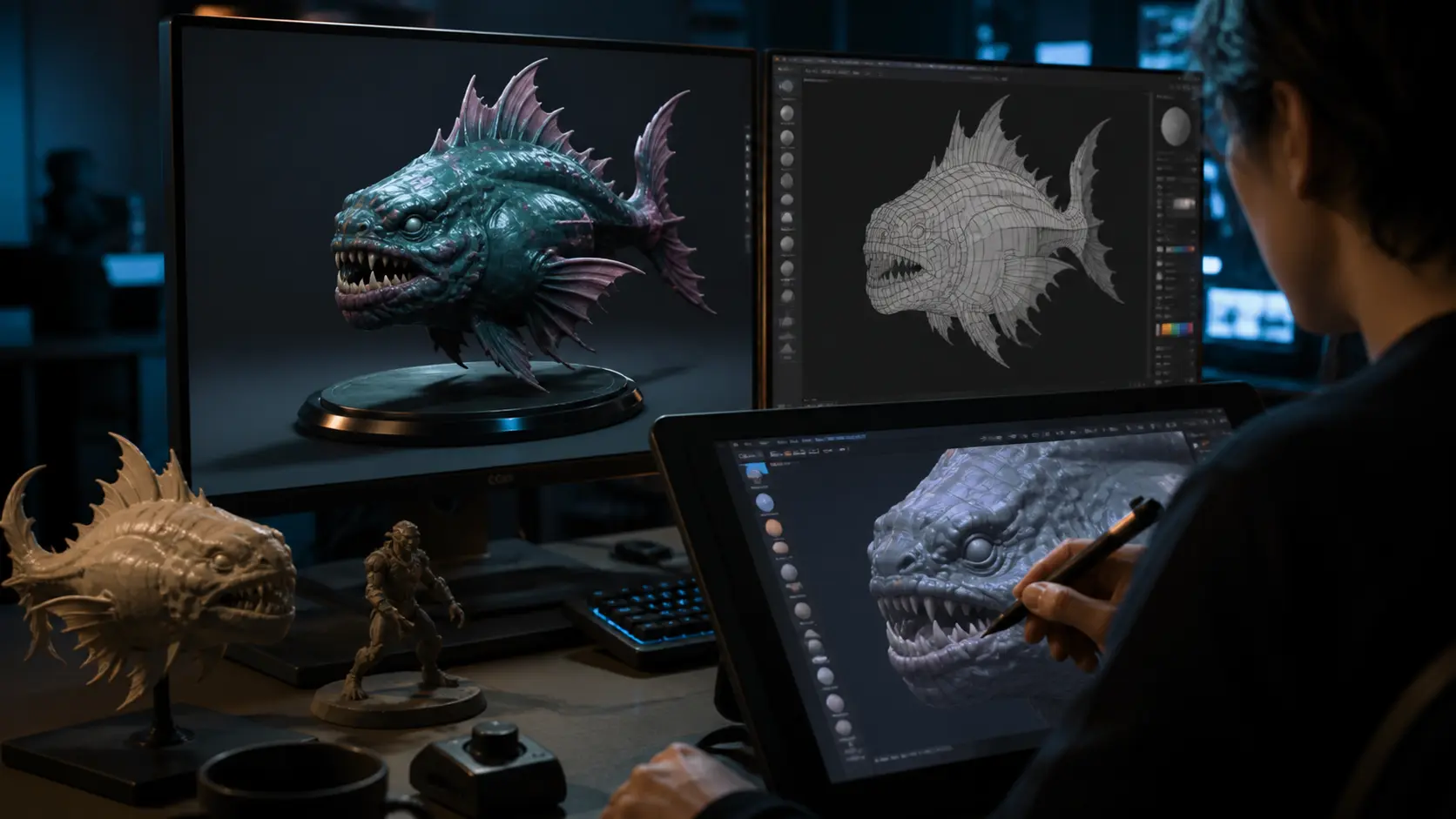
When I say “100 percent source code buyout” during a technical consultation, I am establishing a strict, unyielding engineering standard. Many rogue studios in the industry claim to offer full source code, but what they actually deliver is a hollowed-out frontend HTML5 wrapper or a compiled Unity client, while keeping the critical mathematical logic locked tightly behind encrypted dynamic-link libraries or obfuscated backend microservices.
At Guangzhou Miba, our source code handover protocol is absolute and transparent. When you commission a multi-game platform from our Panyu software studio, the final deliverable is an unencrypted, fully transparent repository ecosystem ready for immediate compilation.
Complete Unity 3D and Unreal Engine Client Repositories
You receive the entire uncompiled project directory for the client-side application. This massive delivery includes all raw C# scripts handling the client-side predictive networking algorithms, strict collision detection for skill games, particle system controllers for jackpot animations, and complex UI event listeners. Nothing is hidden inside proprietary pre-compiled Unity packages or locked engine plugins. Your internal engineering team can open the project directly in the Unity Editor or Unreal Editor, fundamentally modify the game logic, dynamically adjust the shader graphs, and compile brand new builds for multiple platforms immediately.
Raw Unobfuscated Go and C Sharp Backend Microservices
The backend architecture is the absolute heart of your global operation. We deliver the complete Go or C# ASP.NET Core source code repositories. By examining the folder structure, your lead engineers will see exactly how the secure WebSocket connections are authenticated in real-time, how the in-memory Redis caching layer manages concurrent player sessions across distributed nodes, and how the transactional integrity of the digital wallet is strictly maintained even during sudden network drops. There are zero black-box dependencies. The routing logic, the middleware authentication, and the database ORM mappings are entirely exposed for your review.
Uncompiled SQL Database Schemas and Migration Scripts
A commercial game is only as secure as its relational data architecture. We hand over the raw SQL schema definitions, complex indexing strategies for massive tables, and sequential database migration scripts. You will have full, unrestricted visibility into the complex relational logic tying player account profiles, highly sensitive transaction ledgers, historical bet histories, and multi-tier agent hierarchy tables together.
Original UI Figma Assets and Blender 3D Models
High-quality code is functionally useless if you cannot modify the visual branding to suit emerging market trends. Our comprehensive buyout packages always include all native design files. You receive the raw Figma workspaces containing every single UI slice, dynamic button state, responsive layout grid, and vector asset. You also receive the raw Blender or Autodesk Maya files containing the un-baked 3D character models, intricate skeletal animation rigs, and timeline keyframes. This ensures your marketing and art teams can endlessly reskin the platform for entirely different regional markets without ever needing to pay our factory a redesign fee.
For a complete and exhaustive overview of what a full-stack delivery entails and how the assets are packaged, explore our engineering framework on how to buy turnkey online casino source code full stack delivery.
Legal IP Asset Transfer and Commercial Master Agreements
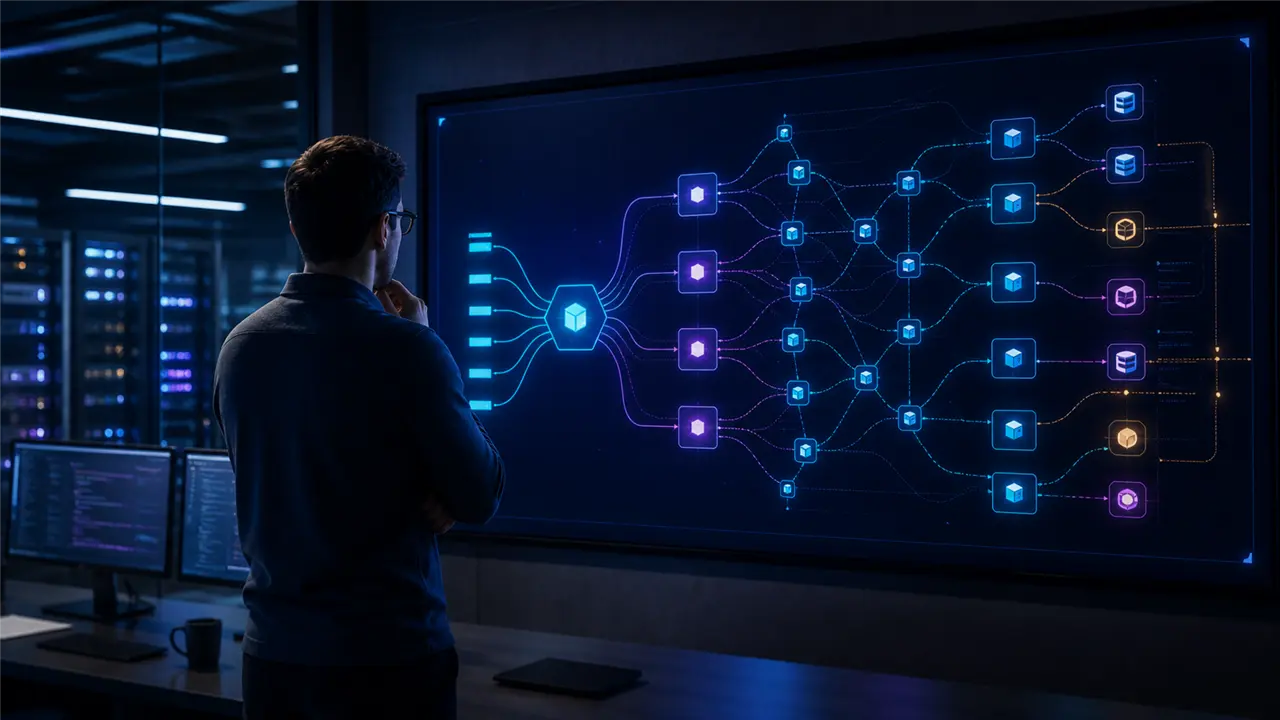
Technical handover is only half of the battlefield. To protect your massive capital investment globally, the intellectual property must be legally ring-fenced and contractually secured. Operating a high-revenue gaming platform without watertight IP ownership leaves your business highly vulnerable to aggressive copyright trolls, patent disputes, and rogue ex-developers cloning your system for competitors.
Executing the Master Services Agreement
Every single custom development project initiated at our Panyu facility begins with a rigid, legally binding Master Services Agreement. This comprehensive document defines the exact scope of work down to the pixel, the specific technology stack to be utilized by our engineers, the strict milestone delivery schedule, and the exact payment tranches tied to User Acceptance Testing. Most importantly, it establishes unequivocally that all software engineering work performed is strictly categorized as “Work Made for Hire” under international copyright standards.
Absolute Assignment of Copyright and Trademarks
Upon final payment clearance and formal UAT sign-off from your technical director, we execute a highly comprehensive Intellectual Property Assignment clause. This critical legal mechanism transfers the absolute ownership of the source code repositories, unique game mechanics, visual aesthetic assets, and associated branding trademarks from Guangzhou Miba Animation Technology Co., Ltd. directly to your corporate entity. We retain absolutely zero residual rights, zero backend access, and zero licensing claims. You are completely free to license the software to sub-operators, resell the entire platform, modify the core mechanics, or franchise the physical machines globally.
Warranty of Originality and Non Infringement Guarantees
One of the greatest, often overlooked risks in purchasing offshore code from unverified vendors is inherited legal liability. If a rogue studio uses stolen 3D assets or pirated engine source code, the buyer bears the ultimate legal risk and potential server takedowns. Our corporate legal agreements include a strict, binding Warranty of Originality. We legally guarantee that all code is written in-house by our 50-person engineering team or utilizes properly licensed, commercially clear open-source libraries. We provide full software dependency audits to mathematically prove that your software stack is fundamentally immune from third-party copyright claims.
If your platform is developing complex cascading reel mechanics or highly volatile math models, these robust legal protections are absolutely vital for long-term survival. Learn more about how we build mathematically secure, audited systems in our technical guide to custom slot machine math engine engineering.
Bare Metal Private Cloud Infrastructure Architecture
Once you securely own the IP and possess the raw source code repositories, the next critical phase is production deployment. Relying on shared hosting environments or heavily restricted managed cloud services exposes your entire operation to sudden compliance shutdowns and resource throttling. To guarantee 99.99 percent operational uptime, we engineer your platform exclusively for self-hosted, bare metal private cloud environments.
Escaping Cloud Vendor Lock In
Major public cloud providers like AWS, Google Cloud, and Microsoft Azure offer incredible convenience for standard web apps, but their Acceptable Use Policies can be highly volatile and hostile regarding gaming, sweepstakes, and high-risk applications. Furthermore, their bandwidth egress fees for transmitting high-frequency WebSocket traffic across global nodes can become financially ruinous at scale. We purposefully architect your backend network to be entirely cloud-agnostic, allowing your DevOps team to deploy directly onto offshore bare metal servers located in privacy-respecting, gaming-friendly jurisdictions.
Docker Containerization Standards
We utilize industry-standard Docker to containerize every single component of the game platform ecosystem. The player lobby server, the high-speed match-making engine, the transactional wallet API, the real-time C++ game logic servers, and the agent management backend are all packaged into heavily isolated, immutable Docker images. This modern architecture guarantees absolute environment parity between our local development laboratory in Panyu and your live production servers deployed worldwide.
Below is an example snippet of how we structure a highly resilient `docker-compose.yml` file for a typical bare metal arcade backend deployment. Notice how the core services are completely decoupled for maximum stability.
yaml version: ‘3.8’ services: api_gateway: image: miba-arcade-gateway:latest restart: always ports: – “443:443” – “80:80” networks: – game_network depends_on: – game_logic_server – auth_service
game_logic_server: image: miba-fish-hunter-logic:v2.1 restart: on-failure environment: – REDIS_HOST=redis_cache – POSTGRES_URL=postgres://user:pass@db_master:5432/arcade_db – WEBSOCKET_PORT=8080 networks: – game_network deploy: resources: limits: cpus: ‘4.0’ memory: 8G
redis_cache: image: redis:7.0-alpine command: redis-server –appendonly yes –maxmemory 4gb –maxmemory-policy allkeys-lru networks: – game_network volumes: – redis_data:/data
db_master: image: postgres:15-alpine environment: – POSTGRES_PASSWORD=secure_password – POSTGRES_DB=arcade_db volumes: – pg_master_data:/var/lib/postgresql/data networks: – game_network
networks: game_network: driver: bridge
volumes: redis_data: pg_master_data: “`
Kubernetes Helm Charts for Dynamic Scaling
For massive enterprise operators expecting concurrent real-time player counts exceeding 10,000, standard Docker Compose is insufficient. For these massive deployments, we provide complete, production-ready Kubernetes Helm charts. This advanced orchestration allows your infrastructure to automatically scale horizontally based on real-time CPU and memory load. When a massive weekend tournament drives a huge spike in WebSocket traffic, the Kubernetes cluster automatically provisions additional game server pods across the bare metal nodes. When the tournament traffic subsides on Monday morning, it gracefully spins those pods down, highly conserving server hardware resources.
The physical hardware running these intense containerized workloads must also meet strict operational standards to prevent thermal throttling. For deep insights into our physical machine builds that integrate seamlessly with these local area networks, read our commercial arcade game machines manufacturing standards.
Database Scaling and Load Balancing Configurations
The architectural integrity of a high-stakes gaming platform relies entirely on its ability to handle immense transaction velocity while maintaining absolute, uncompromised data consistency. A dropped UDP packet during a critical slot spin or a delayed database commit during a fish-hunter shot calculation is completely unacceptable in a commercial environment.
Nginx Reverse Proxy with SSL Termination
At the extreme edge of your network architecture, we deploy Nginx acting as a high-performance reverse proxy and sophisticated load balancer. Nginx handles all of the heavy SSL/TLS encryption termination, decrypting the secure wss:// websocket traffic before passing the raw TCP streams to the internal backend microservices. This critical architectural decision offloads the massive cryptographic computation overhead from the game servers, allowing the internal Go or C# binaries to dedicate 100 percent of their CPU cycles to physics calculations, collision detection, and secure RNG generation. Nginx also serves as the formidable first line of defense, utilizing strict rate-limiting configurations and IP blacklisting to instantly mitigate localized DDoS attempts.
Below is a highly optimized Nginx configuration block we use to ensure WebSocket connections remain stable during intense arcade gameplay.
nginx upstream websocket_backend { server 10.0.0.15:8080; server 10.0.0.16:8080; keepalive 64; }
server { listen 443 ssl http2; server_name api.arcade-operator.com;
ssl_certificate /etc/nginx/ssl/arcade.crt; ssl_certificate_key /etc/nginx/ssl/arcade.key; ssl_protocols TLSv1.2 TLSv1.3; ssl_ciphers HIGH:!aNULL:!MD5;
location /ws/ { proxy_pass http://websocket_backend; proxy_http_version 1.1; proxy_set_header Upgrade $http_upgrade; proxy_set_header Connection “Upgrade”; proxy_set_header Host $host; # Crucial for preventing idle game disconnects proxy_read_timeout 3600s; proxy_send_timeout 3600s; # Passing real client IP for anti-cheat logging proxy_set_header X-Real-IP $remote_addr; proxy_set_header X-Forwarded-For $proxy_add_x_forwarded_for; } } “`
PostgreSQL Master Replica Setup for Transaction Integrity
For the core financial ledger, which handles sensitive player balances, multi-tier agent commissions, and rigid financial reporting, we rely exclusively on enterprise-grade PostgreSQL. We configure a highly resilient Master-Replica cluster topology across your bare metal servers. The primary Master database handles all critical write operations, such as placing bets, processing wins, recording deposits, and approving withdrawals. These high-priority transactions are then synchronously or asynchronously replicated to multiple read-only Replica database nodes in real-time.
The backend API microservices are programmed to intelligently route all heavy read queries, such as generating complex 30-day agent commission reports or rendering massive historical bet logs for VIP players, directly to the Replica nodes. This split-read architecture ensures that massive administrative queries never lock the core tables required for processing real-time gameplay transactions.
Redis Caching Layers for Real Time Game State
In game development, disk I/O is the ultimate enemy of real-time performance. To achieve the sub-80 millisecond network latency absolutely required for multiplayer competitive arcade games, we deploy Redis as a blazing-fast in-memory data structure store.
When a player enters a competitive fish-hunter room, their current wallet balance and secure session token are immediately loaded from the persistent PostgreSQL disk into the Redis memory RAM. Every subsequent high-speed shot fired and every single fish caught updates the financial state directly in Redis memory, providing microsecond response times that disk databases cannot physically match. Periodically in the background, and immediately upon the player exiting the room or losing network connection, the final calculated ledger state is safely flushed back to the persistent PostgreSQL database. This hybrid data approach guarantees both blazing gameplay speed and absolute financial data safety.
CI CD Pipeline Automation and Operator Engineering Handover
Owning the source code is only commercially valuable if your internal engineering team can actually compile, test, and deploy it safely without breaking production. Our comprehensive handover process includes the complete establishment of Continuous Integration and Continuous Deployment pipelines tailored for game development.
Setting Up Private GitLab or GitHub Runners
We actively assist your DevOps engineering team in establishing highly secure, self-hosted version control systems using GitLab CE or enterprise GitHub on your own hardware. We strongly believe you do not want your proprietary game logic sitting on public cloud repositories where a misconfigured permission could leak your entire business model. We configure dedicated CI/CD runners operating exclusively on your private bare metal servers behind strict firewalls.
Automated Build Scripts for Multiple Platforms
When your internal developers push a new feature branch or a bug fix to the master repository, the CI/CD pipeline triggers completely automatically. We provide the raw YAML build scripts that instruct the runners to systematically execute unit tests, compile the heavy C# backend, build the optimized Docker images, and push them to your private container registry.
Simultaneously, the Unity build pipelines automatically compile the client applications, generating highly optimized iOS IPAs, Android APKs, WebGL browser versions, and native Windows EXE binaries for physical PC kiosks. This massive automation completely eliminates human error from the build process and allows your team to deploy updates with extreme confidence.
Below is an example of a `.gitlab-ci.yml` pipeline we deploy to automate the backend compilation and Docker deployment process.
yaml stages: – lint – build – test – deploy_staging
variables: GO_VERSION: “1.21” DOCKER_REGISTRY: “registry.private-arcade.com”
golang_lint: stage: lint image: golang:${GO_VERSION} script: – go install github.com/golangci/golangci-lint/cmd/golangci-lint@latest – golangci-lint run ./…
build_game_server: stage: build image: docker:24.0.5 services: – docker:24.0.5-dind script: – docker build -t ${DOCKER_REGISTRY}/game-server:${CI_COMMIT_SHORT_SHA} -f build/Dockerfile.server . – docker login -u gitlab-ci-token -p ${CI_JOB_TOKEN} ${DOCKER_REGISTRY} – docker push ${DOCKER_REGISTRY}/game-server:${CI_COMMIT_SHORT_SHA}
unit_tests: stage: test image: golang:${GO_VERSION} script: – go test -v -race -coverprofile=coverage.txt ./internal/… deploy_to_staging_baremetal: stage: deploy_staging image: alpine:latest before_script: – apk add –no-cache openssh-client – eval $(ssh-agent -s) – echo “$SSH_PRIVATE_KEY” | tr -d ‘\r’ | ssh-add – – mkdir -p ~/.ssh – chmod 700 ~/.ssh script: – ssh -o StrictHostKeyChecking=no deploy@staging.arcade-network.com “docker pull ${DOCKER_REGISTRY}/game-server:${CI_COMMIT_SHORT_SHA} && docker-compose -f /opt/arcade/docker-compose.yml up -d” only: – develop “`
The 12 Month Direct Engineering Support Protocol
We do not hand over the massive codebase and disappear into the night. As a responsible, long-term manufacturing partner and development studio, we deeply recognize that taking technical ownership of a massive enterprise codebase is a highly challenging endeavor. Therefore, we include a standard 12-month technical support and handover protocol with every major buyout.
Your internal engineering team receives direct, unfiltered communication channels to the exact senior developers and system architects who wrote the original code. We utilize dedicated WhatsApp and Telegram groups for immediate Severity 1 crisis response, and private Git issue trackers for deep architectural consultation and asynchronous code review. If your team needs to implement a highly custom local payment gateway, integrate a new physical bill acceptor pulse protocol via RS232, or optimize a slow database query, I am personally available to provide the exact technical schematics and engineering guidance required.
For ambitious operators currently planning their capital expenditure for these massive, customized deployments, we highly recommend thoroughly reviewing our comprehensive arcade game development cost estimate source code guide.
Actionable Next Steps for Game Operators
The critical transition from a dependent, revenue-sharing SaaS tenant to a completely sovereign, independent game operator requires decisive corporate action and absolute technical control. Do not let third-party software platforms hold your valuable player base hostage or drain your hard-earned operational profits.
If you are ready to strategically commission a custom game ecosystem with a 100 percent source code buyout, or if you urgently need to migrate your existing legacy operations to a highly secure, bare-metal Docker infrastructure, connect with our engineering laboratory directly. We will provide a transparent technical audit, a clear deployment topology diagram tailored to your specific CCU requirements, and a flat-rate manufacturing quote with zero hidden fees.
Reach out to me, Engineer Wang, directly from our busy Panyu factory floor to begin the architectural planning phase today.
WhatsApp and WeChat: +86 17620842078 Telegram: https://t.me/JLwyc Email: miba515527@gmail.com
Frequently Asked Questions About Source Code Buyouts
Below are the most common technical, legal, and commercial questions global operators ask when transitioning to a full source code buyout model with our Panyu engineering team.
What exactly is included in the source code buyout package? The buyout package includes 100 percent of the raw, uncompiled project files. This comprehensively covers the Unity 3D or Unreal Engine client scripts, the complete Go or C# backend microservices repositories, all original Figma UI/UX design workspace files, native Blender 3D models and rigs, uncompiled SQL database schemas, and all critical deployment scripts like Dockerfiles and Kubernetes Helm charts. There are absolutely zero obfuscated DLLs or hidden third-party dependencies.
How do we formally handle intellectual property and copyright transfer? We execute a strict, formal Master Services Agreement combined with an ironclad Intellectual Property Assignment contract. This legal framework permanently transfers all copyright, commercial trademarks, and source code ownership from Guangzhou Miba Animation Technology Co., Ltd. directly to your designated corporate entity. We also provide a legally binding Warranty of Originality to fully guarantee the code is written in-house and free from any third-party infringement claims.
Can we deploy the backend infrastructure on our own private servers? Absolutely. In fact, we highly mandate it for maximum security and regulatory compliance reasons. We deeply design the backend architecture using Docker containers, making the entire ecosystem completely cloud-agnostic. You can deploy the ecosystem on AWS, Google Cloud, or highly secure bare metal Linux servers located in any favorable jurisdiction you strategically choose.
Do you provide ongoing technical support after handing over the source code? Yes, we provide a highly comprehensive 12-month engineering handover and technical support protocol. Your internal developers will have direct, unrestricted access to our original programming team via WhatsApp, Telegram, and private Git issue trackers to assist with custom feature integrations, server scaling optimizations, and CI/CD build pipeline troubleshooting.
Are there any ongoing revenue share fees or hidden licensing costs after the buyout? No, absolutely not. The core philosophy of a 100 percent source code buyout is the total elimination of the Gross Gaming Revenue rake. You pay a single, transparent one-time flat fee for the custom development and the IP transfer. You keep 100 percent of the profits generated by your platform forever, ensuring maximum ROI for your operation.
html
“`