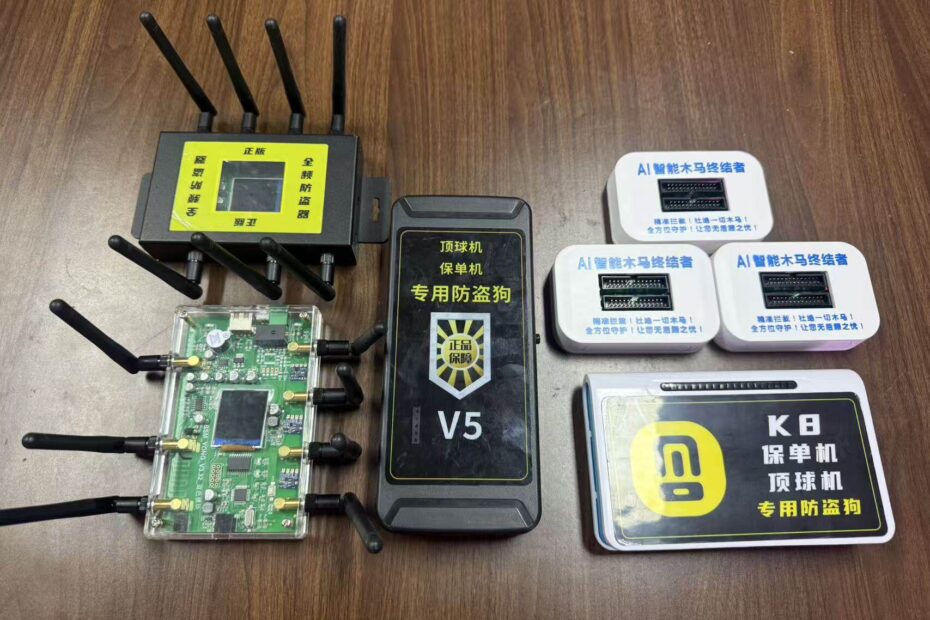
How to Protect Gaming Machine Systems From External Devices and Signal Injections
Any device plugged into your diagnostic port can inject signals into your machine. Here is how to block external devices and signal injections at the port level.
Any device plugged into your diagnostic port can inject signals into your machine. Here is how to block external devices and signal injections at the port level.
RF shielding is physical defense against signal injection. Combined with electronic blocking at the diagnostic port, it provides layered protection that no single technique can match.
Arcades with 50-plus machines in a single room create an extreme RF environment. Standard signal filters fail. Here is the specialized anti-interference technology for high-density venues.
A protection device that blocks legitimate player credits is worse than no protection at all. Here is how devices stop cheating while letting every real player play normally.
RF interference is not just a nuisance — it is an attack vector. Here is how signal blocking devices at the diagnostic port filter external RF before it becomes a bus signal.
External signal attacks are the most common threat to gaming machines. Here is how anti-fraud devices detect and block these attacks in real time before they reach the machine processor.
Some attacks are designed to bypass standard filtering. Here is how advanced protection stops sophisticated attacks that get past basic security measures.
The key challenge in blocking unauthorized signals is allowing legitimate signals through while stopping attack signals. Here is how that distinction works and why it matters for your machines.
High traffic arcades are electrically noisy environments. Multiple machines, wireless systems, and customer devices create interference that can bias game results. Here is how to filter it out.
External interference on gaming machines leaves specific, identifiable signs. Learn the seven indicators that your machines are being attacked from outside, and what each sign means.