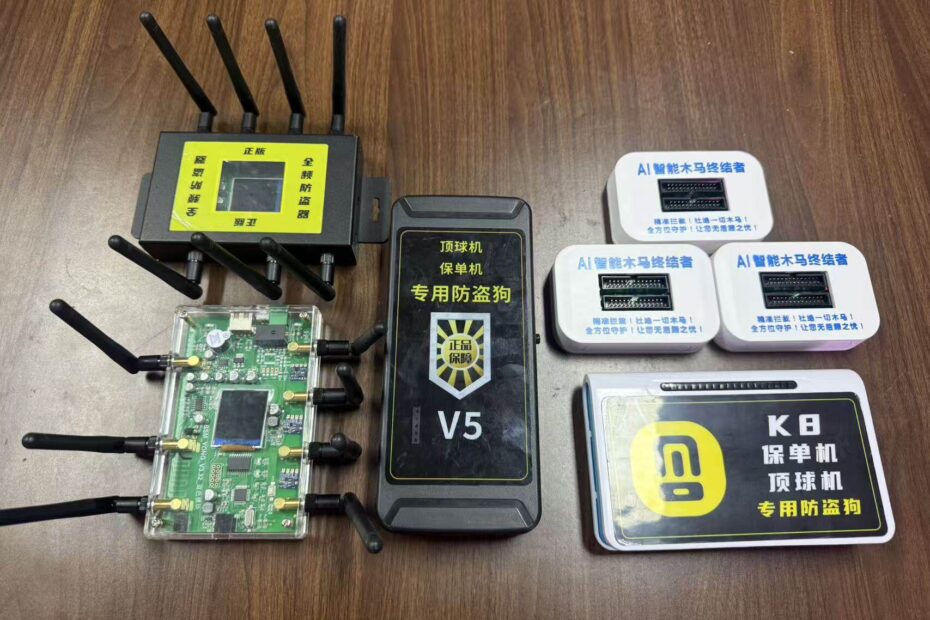
How to Secure Gaming Machines Without Modifying Hardware
Learn how to secure gaming machines without modifying hardware — using external bus monitoring, RF shielding, cameras, and environmental monitoring to protect revenue.
Learn how to secure gaming machines without modifying hardware — using external bus monitoring, RF shielding, cameras, and environmental monitoring to protect revenue.
Seven simple, low-cost solutions to protect gaming machine revenue. Implement these in 30 minutes per day — no technical expertise required.
Learn how to protect gaming machines from manipulation, covering signal injection, optical spoofing, EMP attacks, and firmware modification with a layered defense strategy.
A comprehensive breakdown of the 4 main categories of profit loss in game centers: external cheating, hardware degradation, configuration errors, and data leakage.
Effective Date: May 14, 2026 At Arcade Manufacturer (“we,” “us,” or “our”), we are committed to protecting your privacy and ensuring the security of your personal information. This Privacy Policy explains…
Security records aren’t just for catching cheaters — they’re essential for tax audits, insurance claims, and regulatory compliance. Learn the complete record-keeping system, retention periods, and digital vs physical strategies.
Insurance claims for arcade cheating require specific documentation that most operators don’t know about. Learn the standard document request list, how to prove the loss was caused by cheating, and what to do if your claim is denied.
Most arcade machines manufactured after 2012 can be protected with inline encryption modules without replacing the main board. Learn the three approaches, protocol compatibility, and real-world installation examples.
Dubai gaming centers use high-end networked machines with progressive jackpots — and the interconnection that makes progressive prizes possible creates data leakage paths most operators don’t consider. Learn how to secure your networked gaming infrastructure.
A month-by-month case study of a Ho Chi Minh City arcade that waited nine months to install anti-cheat hardware. The compounding revenue loss reached $41,600 — more than 11 times the cost of the solution that would have prevented it.