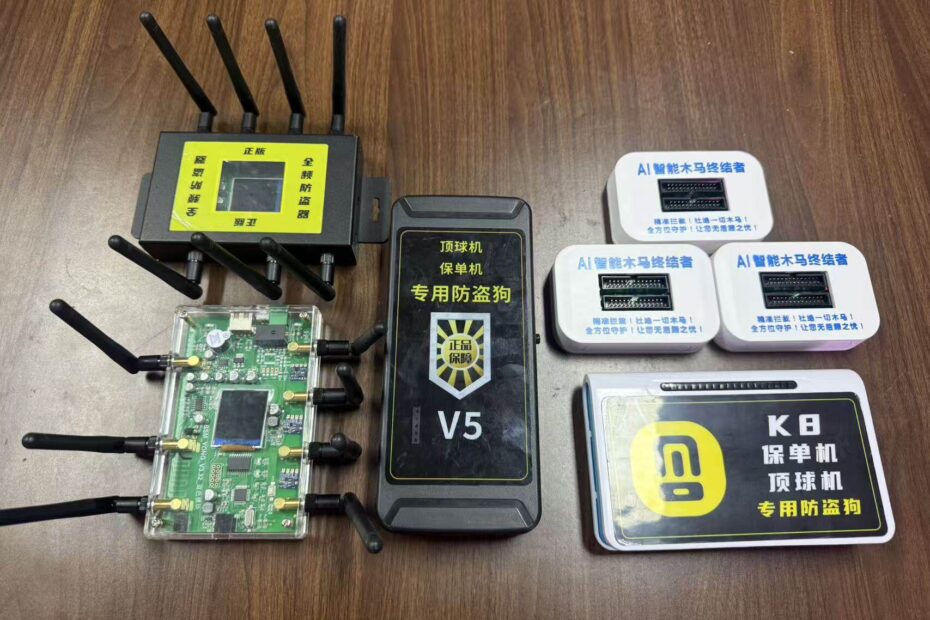
How to Detect Fraud in Gaming Machines That Regular Diagnostics Keep Missing
Your diagnostics say everything is normal but the revenue tells a different story. Here is how bus-level monitoring detects the fraud that component-level diagnostics miss.
Your diagnostics say everything is normal but the revenue tells a different story. Here is how bus-level monitoring detects the fraud that component-level diagnostics miss.
You do not have a security team. You have a venue to run. Here is how to layer automated electronic protection with simple physical measures that any staff member can manage.
Your machine software is locked and cannot be changed. Here is how external hardware catches data manipulation at the bus level without touching the game software.
Software fixes fail because the attack is hardware-level. Here is how external hardware protection stops cheating at the bus level, without opening the cabinet.
Every fraud attack on a gaming machine works through unauthorized commands. Here is a device that detects and blocks these commands at the bus level before they execute.
A protection device that blocks legitimate player credits is worse than no protection at all. Here is how devices stop cheating while letting every real player play normally.
Hackers target the communication bus because it controls everything. An anti-hacking device that monitors the bus in real time is the most effective defense — here is how it works.
Remote control attacks let an attacker manipulate your machines from outside the venue. Here is how anti-manipulation devices detect and block these attacks at the hardware level.
External signal attacks are the most common threat to gaming machines. Here is how anti-fraud devices detect and block these attacks in real time before they reach the machine processor.
Fish table games and arcade cabinets have specific vulnerabilities that general gaming machine protection may not address. Here is the specialized protection for these machine types.